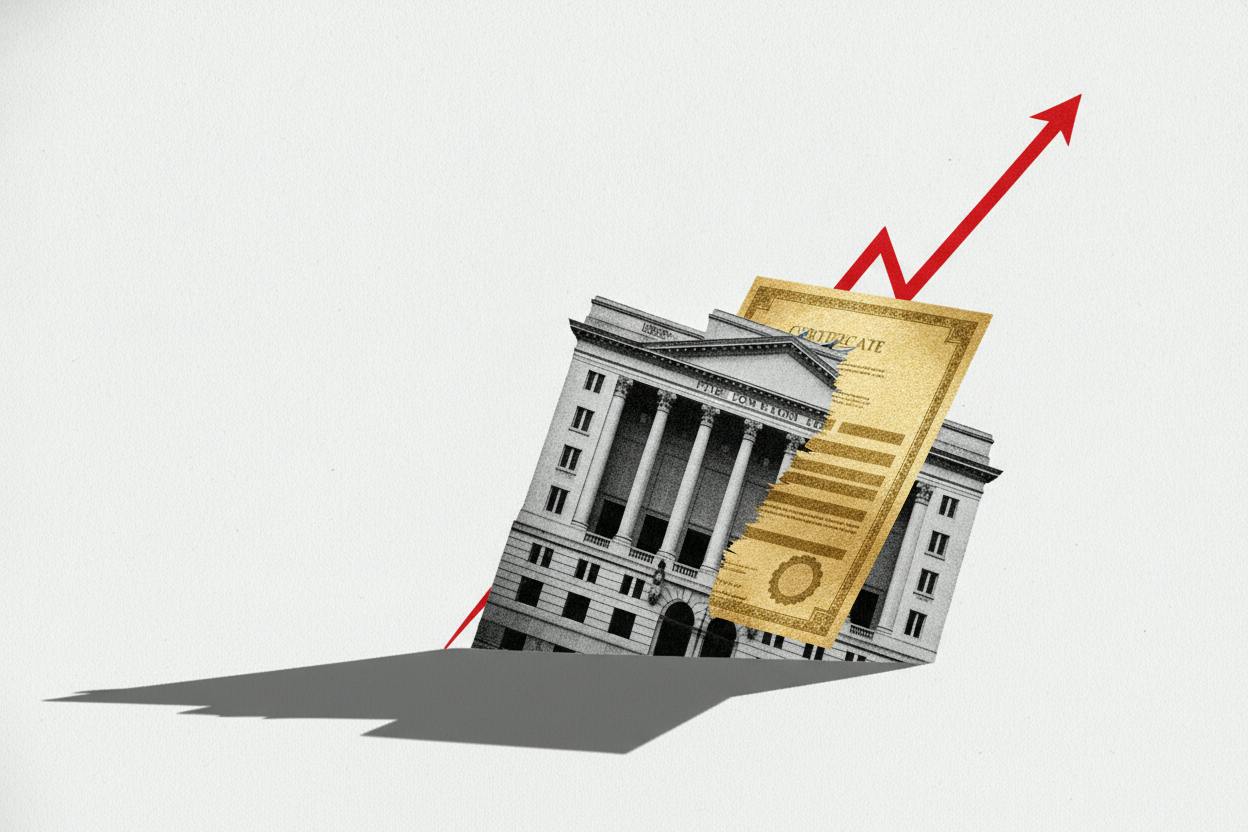
UK stocks fell on Wednesday, with the FTSE 100 touching a three-month low, as government bond yields surged to levels not seen in decades. The sell-off came as investors digested stubborn inflation, jitters ahead of a key budget announcement, and growing expectations that the Bank of England will raise interest rates again in November.
The yield on 30-year gilts—UK government bonds—approached 6%, while the 10-year yield climbed back to levels last seen before the global financial crisis. Yields rise as bond prices fall, and the speed of the move has rattled equity markets.
Why gilt yields matter for stocks
Gilt yields are the return investors demand to lend money to the UK government. When they jump, borrowing costs across the economy tend to follow—from mortgages and corporate loans to government funding itself. That tightens financial conditions, which can weigh on economic growth and corporate profits.
For stock investors, higher yields also make bonds more attractive relative to equities, pressuring valuation multiples. Rate-sensitive sectors, such as real estate and utilities, often feel the pinch first. But this time, banks led the declines, even though higher interest rates can, in theory, boost bank profits by widening lending margins.
The worry is less about next quarter's lending margins and more about what a sudden yield spike does to banks' existing bond holdings and to borrowers' ability to keep up with payments. A fast move higher can push down the market value of banks' bond portfolios—a mark-to-market hit—while also raising concerns that households and businesses will fall behind on loans as borrowing costs reset. That combination can lift the risk premium investors demand and drag down valuation multiples, even as rates climb.
That helps explain why HSBC and Standard Chartered fell alongside the broader FTSE financials when gilt yields lurched higher.
Inflation and budget nerves add to the mix
The yield surge comes amid persistent inflation in the UK, which has remained above the Bank of England's 2% target for much of the past two years. Policymakers have been raising interest rates to cool price pressures, and markets now expect another hike in November.
At the same time, investors are nervous about the government's upcoming budget. Fiscal plans can influence gilt issuance and borrowing costs, and any sign of looser spending could add to upward pressure on yields. The combination of monetary tightening and fiscal uncertainty has created a challenging backdrop for UK assets.
Globally, bond yields have been climbing as major central banks signal that rates will stay higher for longer. The global rise in borrowing costs has pressured equities worldwide, with European stocks also slipping as bond yields hold near multi-year highs.
What it means for investors
For everyday investors, the message is that the environment of ultra-low interest rates is firmly in the past. Higher yields mean safer assets like government bonds now offer more competitive returns, which can make stock valuations look less attractive, especially for companies that pay high dividends or carry heavy debt loads.
UK-focused investors may want to watch how banks navigate the dual pressures of higher rates and potential credit losses. While higher rates can support net interest income, a sharp economic slowdown could lead to rising loan impairments. That trade-off is likely to dominate bank earnings in the coming quarters.
Beyond banks, sectors with high debt levels—such as utilities, real estate, and consumer discretionary—could remain under pressure if yields stay elevated. On the other hand, companies with strong balance sheets and pricing power may prove more resilient.
Investors will also keep an eye on the Bank of England's next meeting in November. A rate hike is largely priced in, but the central bank's commentary on the economic outlook and future policy path could trigger further volatility in both bond and stock markets.
For now, the surge in gilt yields serves as a reminder that inflation and interest-rate risk remain central to market performance. As the UK grapples with these challenges, investors should brace for continued swings in both bonds and equities.