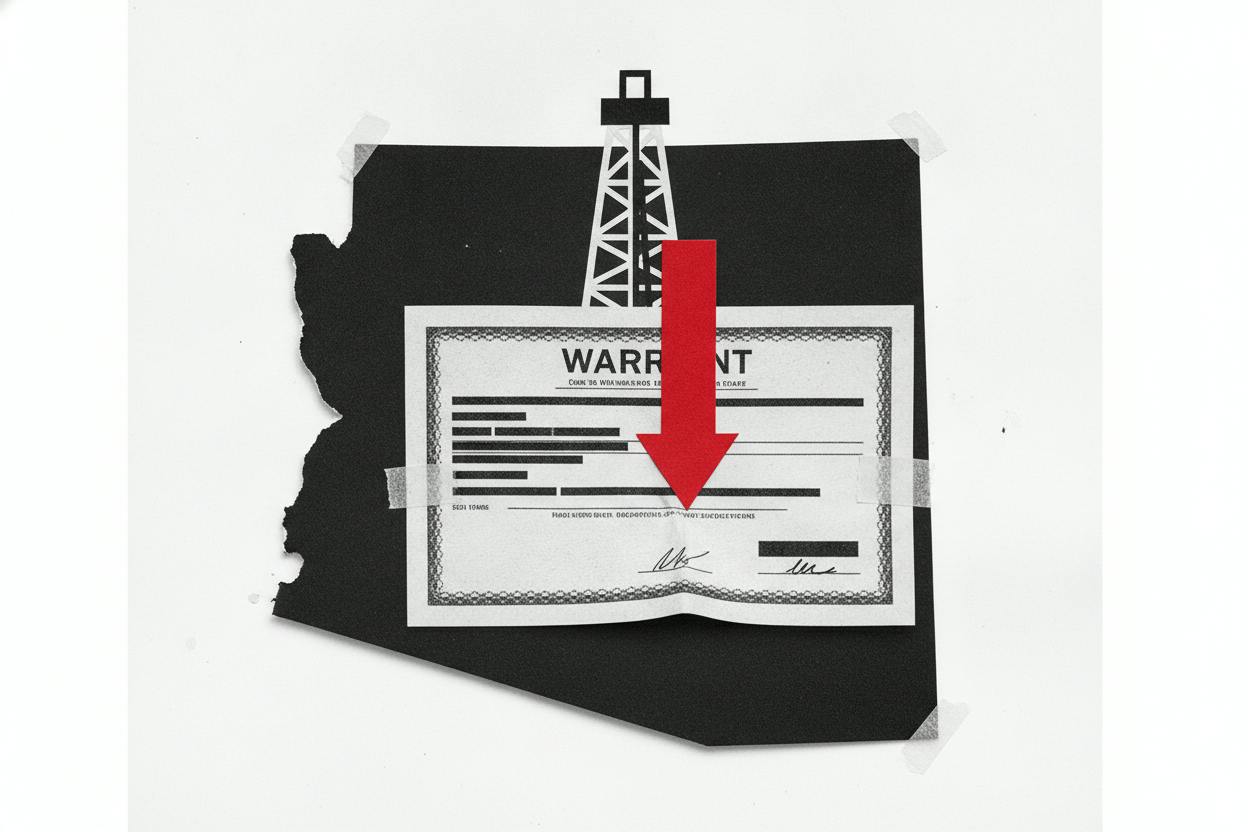
Coyote Copper Mines, a Canadian exploration company, has received the green light to begin its first round of drilling at the Copper Springs project in Arizona. The approval covers 37 drill locations, and the company has also expanded the site to 17,880 acres. Yet investors reacted negatively, sending shares down 16% to CA$0.55 on the TSX Venture Exchange.
What the approval means
The permit follows the completion of a required "plan of operations" with US land managers, a standard step for mining projects on federal or state land. This plan outlines how the company will drill, manage environmental impacts, and restore the site once work is done.
Each drill pad can host multiple holes, giving Coyote Copper flexibility to test several targets without needing a new application for every hole. The company now has a three-year window to complete its drilling and any necessary site restoration, which puts a clear timeline on turning geological maps and samples into actionable data.
The expansion of the project to 17,880 acres suggests the company is looking to explore a broader area, potentially increasing the chances of finding a commercially viable copper deposit. However, exploration is inherently risky, and the market's reaction shows that approval alone doesn't guarantee success.
Why copper matters
Copper is a key industrial metal, used in everything from electrical wiring to construction and increasingly in electric vehicles and renewable energy infrastructure. Demand for copper is expected to grow as the world transitions to cleaner energy, but prices have been volatile recently. Copper prices have hit two-month lows as stockpiles on the London Metal Exchange have climbed and the US dollar has firmed, making the metal more expensive for buyers using other currencies.
For a junior explorer like Coyote Copper, the path to production is long and uncertain. Drilling is just the first step. Even if the drilling confirms a resource, the company would need to conduct feasibility studies, secure financing, obtain more permits, and build a mine—a process that can take years and often fails to reach completion.
Investor takeaway
The 16% drop in shares despite the positive news may reflect several factors. Investors might be concerned about the cost of drilling, the timeline, or the broader copper market outlook. It's also common for exploration stocks to "sell the news"—meaning the approval was already priced in, and the actual drilling results are what matter next.
For everyday investors, this story highlights the speculative nature of junior mining stocks. These companies often have no revenue and rely on raising capital to fund exploration. A single drill result can send shares soaring or plunging, and many projects never become mines.
If you're considering investing in such companies, it's crucial to understand that you're betting on the company's ability to find a deposit that can be developed profitably. Diversification and a high tolerance for risk are essential. As always, do your own research and consider seeking advice from a financial professional.
What to watch next
Investors will be watching for the first drilling results from Copper Springs, which could provide a clearer picture of the project's potential. Also on the radar is the broader copper market, with traders awaiting a US tariff decision on refined copper that could affect prices. Additionally, analysts have recently upgraded some copper miners on the pullback, suggesting that some see value in the sector despite the recent weakness.
For Coyote Copper, the next few months will be critical as it begins drilling and works toward its goal of defining a copper resource. The company's ability to execute on its plans and deliver positive results will determine whether the market's skepticism is warranted or if the shares have room to recover.