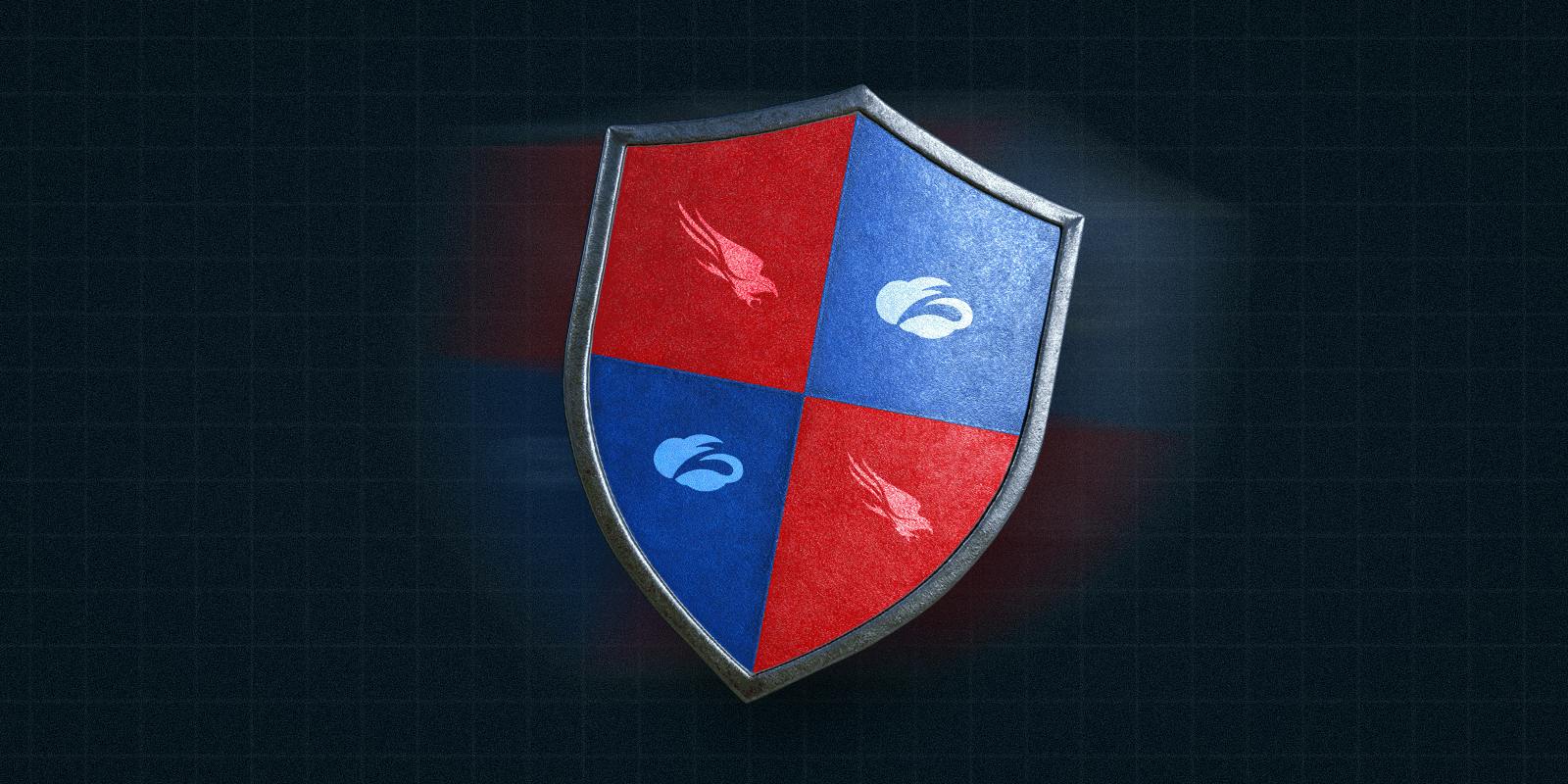
In a move that reshapes the cybersecurity landscape, CrowdStrike has agreed to acquire Zscaler in a deal valued at roughly $43.9 billion. The all-stock transaction brings together two of the most prominent names in business security, and it marks the largest cybersecurity acquisition on record, surpassing Alphabet's $32 billion purchase of cloud security firm Wiz.
Two giants, one goal
CrowdStrike, worth around $230 billion, is best known for its endpoint protection software—the tools that guard laptops, servers, and other devices against malware and intrusions. Zscaler, on the other hand, focuses on securing the connections between users and the cloud, protecting networks and internet traffic. While they operate in adjacent spaces, their products have historically been complementary rather than competing.
That complementary fit is exactly why the deal makes sense, according to analysts. CrowdStrike can now sell its platform to Zscaler's roughly 8,000 customers, opening up a slice of the security market estimated at $185 billion. The combined company is expected to start with around $10 billion in annual recurring revenue, a scale that few rivals can match.
What Zscaler shareholders get
Under the terms of the deal, Zscaler shareholders will receive 1.135 shares of CrowdStrike common stock for each Zscaler share they own. That works out to about $260 per Zscaler share, a 34% premium over where the stock closed on Friday. After the transaction closes—which is expected to happen by June 2028—CrowdStrike shareholders will own about 84% of the combined company, while Zscaler investors will hold roughly 16%.
The long timeline reflects the complexity of such a large merger, which will likely face regulatory scrutiny. But for investors, the premium and the stock-for-stock structure are key details: Zscaler holders are betting on CrowdStrike's future performance, not just a cash payout.
Why cybersecurity is booming
The deal comes at a time when cybersecurity has become one of the most active corners of the tech market. The rise of artificial intelligence has a double-edged effect: AI helps security firms spot vulnerabilities faster than ever, but it also gives hackers new tools to exploit them. Meanwhile, recent high-profile tech outages—from grounded flights in the US to global email failures—have shown that even the fixes themselves can overwhelm outdated infrastructure, causing chaos.
That backdrop has fueled a strong run for cybersecurity stocks. One analyst's basket of cybersecurity names is up around 70% over the past 18 months, and the sector has seen a wave of dealmaking, including Palo Alto's $4.5 billion AI deal that signaled a shift in how security spending is allocated.
What it means for investors
For everyday investors, this deal is a reminder that cybersecurity is not just a niche tech story—it's a core part of how modern businesses operate. But it also comes with a cautionary note. More threats don't automatically translate into more profits for security firms. AI can automate many of the security tasks that customers currently pay companies to do, which could squeeze margins across the industry.
The winners, analysts say, will be the companies that can turn extra demand into stronger customer spending—by bundling services, expanding into new areas, or locking in long-term contracts. CrowdStrike and Zscaler are betting that size and scale will give them that edge.
For those who own shares in either company, the deal's long timeline means there's plenty of time for regulatory hurdles and market shifts. For everyone else, it's a signal that cybersecurity consolidation is likely to continue, as companies seek safety in numbers.
As one analyst put it, "Safety in numbers." That's the logic behind this mega-deal—and it may not be the last of its kind.