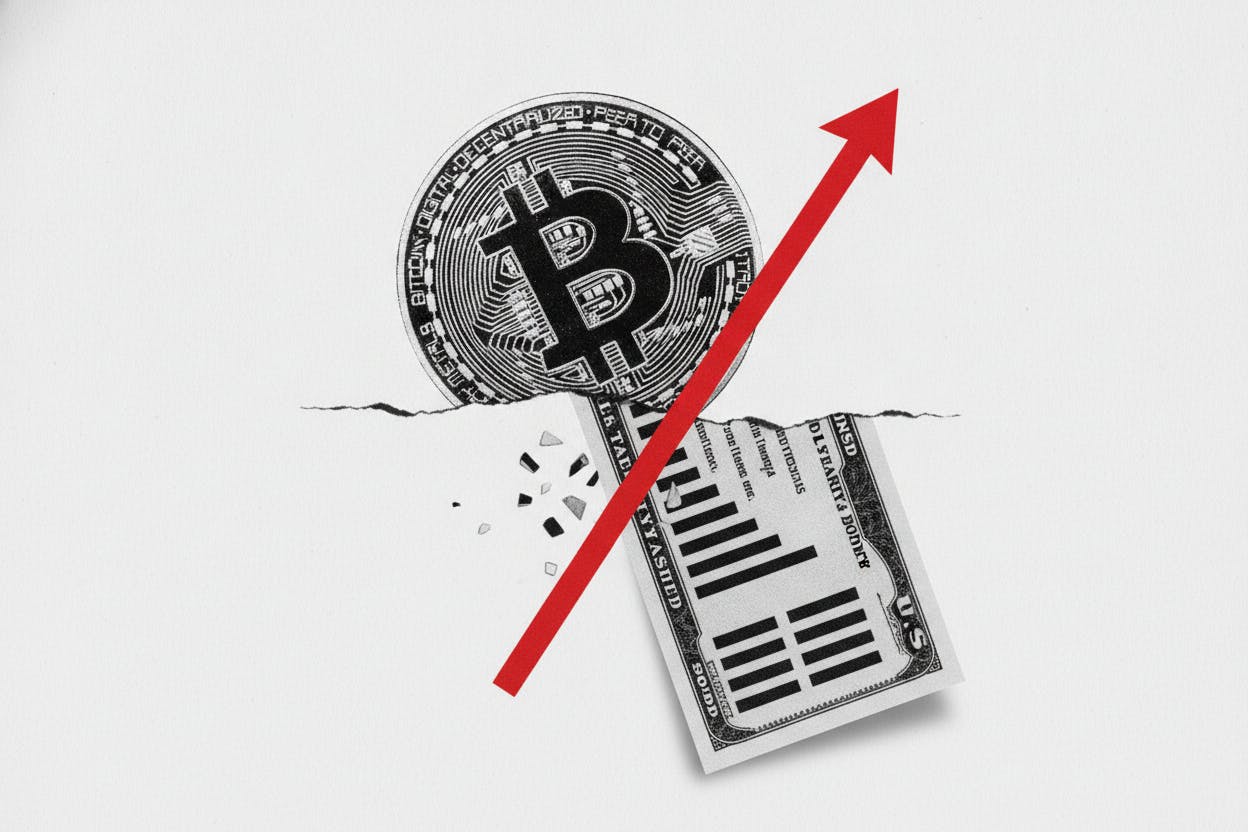
Cryptocurrencies slid alongside US stocks on Tuesday, as a rise in bond yields prompted investors to pull back from riskier assets. Bitcoin fell 3.1% to $62,124, while the broader CoinDesk Market Index — a benchmark for digital assets — dropped 3.2% over 24 hours.
The moves came as the yield on the US 10-year Treasury note ticked up to 4.610%, up from 4.567% on Friday. Higher yields mean investors can earn more from relatively safe government bonds, which often leads them to demand a bigger payoff for holding volatile assets like stocks and crypto.
A broad risk-off session
Tuesday's decline was not limited to bitcoin. The entire crypto market felt the pressure, with total trading volume jumping 46.3% to $68.16 billion, according to data from CoinDesk. Bitcoin’s own 24-hour trading volume surged 57.5% to $30.27 billion, suggesting that many traders were actively selling or repositioning.
Major US stock indexes also moved lower, reflecting the same cautious mood. When bond yields rise, growth stocks — particularly in tech — tend to suffer because their future profits are discounted more heavily. The same logic applies to cryptocurrencies, which are often treated by investors as high-risk, high-reward assets.
Geopolitical tensions have also been weighing on sentiment. Recent headlines about potential disruptions in the Strait of Hormuz have pushed oil prices higher, adding to inflation worries. Higher energy costs can eat into corporate profits and consumer spending, making investors more cautious. For more on how oil moves are affecting markets, see Oil Surge Lifts Energy Stocks as Crude Hits $74, Natural Gas Slips.
What rising yields mean for investors
The 10-year Treasury yield is a key benchmark that influences borrowing costs across the economy. When it rises, mortgages, corporate loans, and credit cards become more expensive. For everyday investors, that can mean lower returns on stocks and crypto in the short term, as money flows toward bonds and cash equivalents.
Bitcoin’s ability to hold above $62,000 despite the sell-off is notable. Some analysts see this as a sign of underlying demand, but the broader trend remains tied to macroeconomic forces. If yields continue to climb, risk assets could face further pressure.
For context, the crypto market has often moved in tandem with tech stocks in recent years, especially during periods of uncertainty about interest rates. The current environment — with the Federal Reserve holding rates steady but inflation still above target — keeps investors on edge.
What to watch next
Investors will be watching the bond market closely in the coming days. If the 10-year yield pushes above 4.65%, it could trigger another wave of selling in both stocks and crypto. On the other hand, any signs that the Fed might cut rates later this year could reverse the trend.
For now, the message from markets is clear: when safer assets offer better returns, riskier bets like bitcoin and growth stocks tend to take a back seat. As always, diversification and a long-term perspective remain key for everyday investors navigating these swings.
For more on how broader market moves are playing out, see Stocks Dip as Trump Proposes 20% Toll on Hormuz Strait Cargo and European Stocks Edge Lower as Strait of Hormuz Tensions Boost Oil, Weigh on Tech.