Indian consumer goods maker Dabur has told investors it expects its revenue and profit to grow at a double-digit pace for the quarter ended September 30, even as higher plastic packaging costs threaten to eat into its margins. The company, known for brands in hair care, oral care, and health supplements, said its international business should grow in the high teens in rupee terms, helping offset some of the cost pressure.
What's behind the growth?
Dabur's optimism reflects a broad pickup in demand across its home market and overseas. The company's India portfolio is also expected to grow at a healthy clip, though the exact figures were not disclosed. The international arm, which includes markets in the Middle East, Africa, and South Asia, is seen as a key driver, with growth in the high teens despite what the company described as weakness in parts of the Middle East.
For everyday investors, the headline number is encouraging: double-digit growth in both revenue and profit suggests the company is expanding its business. But the real story lies in how that growth is achieved and at what cost.
The packaging cost squeeze
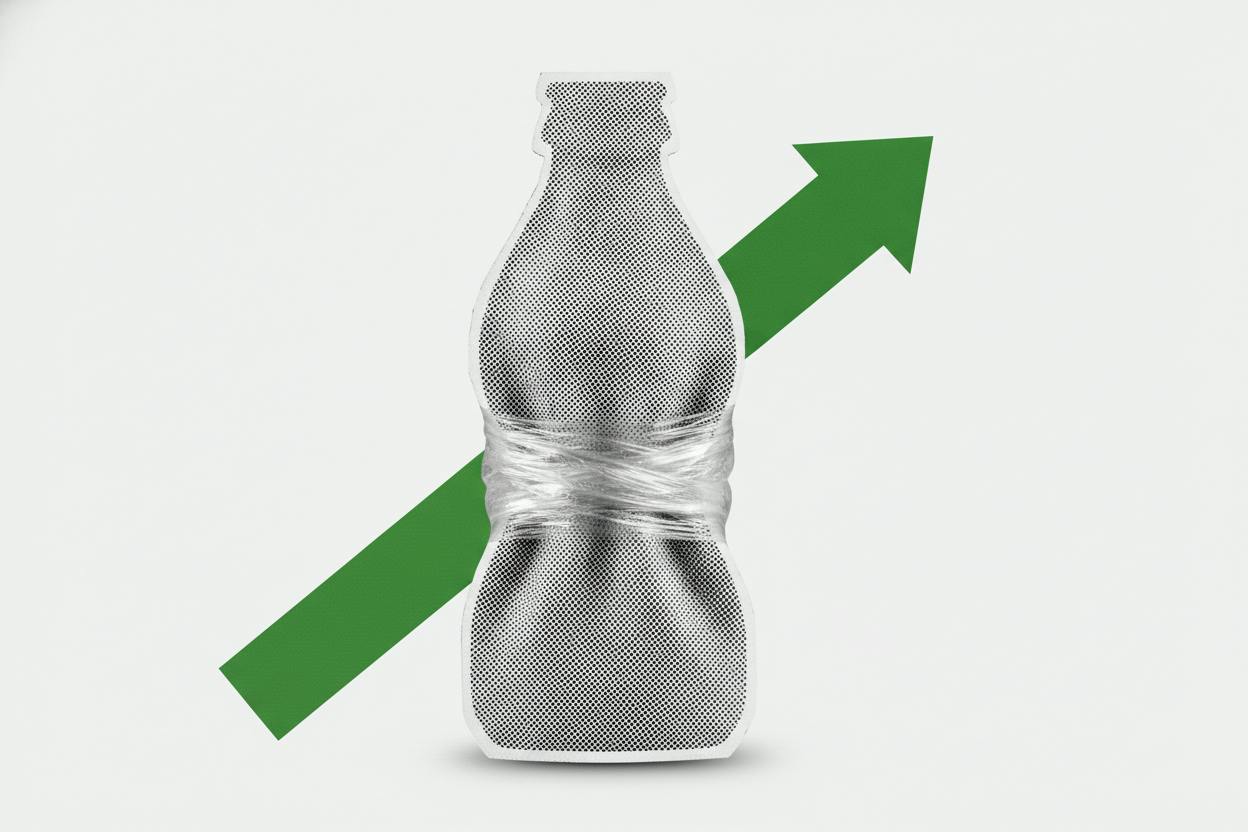
The main pressure point is packaging. Dabur says plastic inputs, which are linked to crude oil prices, have become more expensive. That means the company has to spend more to make and ship the same products, which can squeeze profit margins if it can't pass the costs on to consumers.
Management's response is a familiar playbook in the consumer staples sector: nudge prices higher, shift the product mix toward higher-margin items, and look for cost savings elsewhere. These moves can help protect profitability, but they also raise a key question: how much pricing power does Dabur really have?
If sales are rising mostly because prices are higher, not because more units are being sold, the headline growth rate can look strong while underlying demand may be softer. That's why investors will be watching volume growth closely, especially in core categories like home and personal care.
What it means for investors
For markets, the focus shifts quickly from "how fast are sales growing?" to "how is the company protecting margins?" When input costs rise for a staples business, investors start to worry about the sustainability of earnings. Dabur is leaning on price increases and cost cuts to offset higher packaging bills, but those moves can reveal how much pricing power it really has.
The read-across to peers like Marico and Godrej Consumer is also important. Both have pointed to double-digit or high-teen growth, and they face similar cost pressures. If Dabur can defend its margins while keeping volumes resilient, it could set a positive tone for the sector. But if margins slip, it may signal that pricing power is limited across the industry.
Investors should also keep an eye on the broader economic backdrop. Rising input costs, partly driven by crude oil prices, are a common theme across consumer goods companies. As Almarai's recent results showed, even strong sales growth can be capped by cost pressures. Similarly, energy and shipping costs are biting across Asia, which could affect consumer demand and input prices in the coming quarters.
For now, Dabur's guidance is a positive signal, but the real test will come when the company reports its full quarterly results. Investors will want to see whether the double-digit growth translates into healthy profit margins and whether volume growth remains solid, not just price-driven.
In the meantime, the market will likely keep a close watch on crude oil prices and plastic resin costs, as these are the key variables that could swing Dabur's margins. A sustained rise in oil could force the company to raise prices further, which might eventually dampen demand. On the other hand, if oil prices ease, Dabur could see a margin boost.
For everyday investors, the takeaway is to look beyond the top-line growth rate. The quality of that growth—whether it comes from volumes or prices—and the company's ability to protect its margins are what will ultimately drive long-term shareholder value.