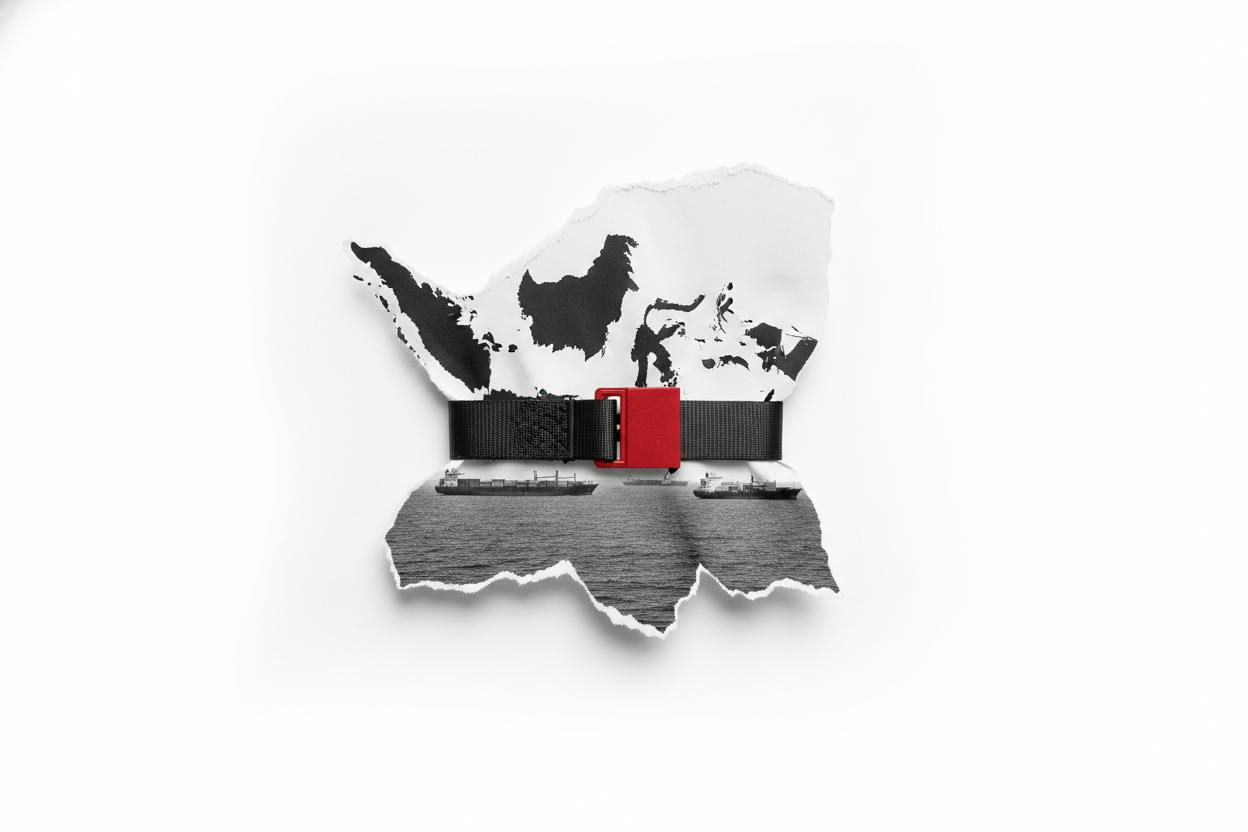
The ASEAN+3 region—home to some of the world's most dynamic economies—is expected to see its expansion slow next year, according to a new forecast from the ASEAN+3 Macroeconomic Research Office (AMRO). The regional watchdog now sees growth easing to 4.1% in 2026, down from an estimated 4.3% in 2025.
The slowdown isn't driven by a collapse in demand. Instead, AMRO points to higher energy and logistics costs that are squeezing household budgets and raising business expenses. These pressures are being reinforced by geopolitical tensions, which continue to disrupt supply chains and push up shipping rates.
What is ASEAN+3?
ASEAN+3 brings together the ten member states of the Association of Southeast Asian Nations—Brunei, Cambodia, Indonesia, Laos, Malaysia, Myanmar, the Philippines, Singapore, Thailand, and Vietnam—plus China, Hong Kong, Japan, and South Korea. Together, this bloc accounts for a significant share of global trade and manufacturing, making its economic health a bellwether for the wider Asian economy.
AMRO, based in Singapore, was established to monitor the region's economies and support financial stability. Its forecasts are closely watched by policymakers and investors because they offer a comprehensive view of a region that is a key engine of global growth.
AI exports are a bright spot
One notable strength is the continued demand for AI-related exports. The region is a major producer of semiconductors, electronics, and other components that power artificial intelligence systems. Companies in countries like Taiwan, South Korea, and Japan have seen strong orders for chips and servers, helping to offset some of the broader economic drag.
However, the benefits of that AI boom are not evenly spread. While tech-heavy economies may see robust export growth, other parts of the bloc—particularly those more reliant on energy imports—are feeling the pinch from higher costs. This divergence could shape how individual markets perform over the coming year.
Inflation is set to rise
AMRO also expects price pressures to build. The bloc's headline inflation is forecast to rise to 1.6% in 2026, up from 0.9% in 2025. That's still relatively mild by global standards, but it marks a notable acceleration and could affect consumer spending and central bank policy.
Higher energy and shipping costs are the main culprits. When freight rates climb, the cost of imported goods rises, and when energy prices jump, everything from manufacturing to transport becomes more expensive. For households, that means less disposable income; for businesses, it means thinner margins.
The rise in inflation is also being reinforced by geopolitical tensions, which can disrupt trade routes and push up insurance and shipping costs. AMRO flags that these pressures could prove more persistent than initially expected, adding to uncertainty for the region's outlook.
What it means for investors
For everyday investors, the forecast suggests a period of moderating growth but not a sharp downturn. The region is still expanding at a healthy clip, and the AI-driven export boom provides a cushion. However, the mix of higher costs and rising inflation could create headwinds for consumer-facing companies and those with heavy energy exposure.
Investors might want to watch how individual economies within the bloc respond. For instance, Indian banks have been leading stocks higher ahead of a central bank decision, highlighting how domestic factors can diverge from regional trends. Similarly, New Zealand's card spending data shows how fuel costs can skew consumer activity, a reminder that energy prices are a key variable to track.
For those with exposure to Asian equities or funds, the key takeaway is to expect a more subdued growth environment. That doesn't mean abandoning the region—far from it. But it does suggest that selectivity will matter. Companies with pricing power, efficient supply chains, or direct ties to the AI boom may be better positioned to navigate the cost pressures.
AMRO's forecast also underscores the importance of geopolitical developments. Trade tensions, shipping disruptions, and energy market volatility are all factors that could push the numbers in either direction. Investors should keep an eye on these risks as 2026 approaches.
In the meantime, the region's resilience—bolstered by strong exports and a still-growing middle class—remains a reason for cautious optimism. The cooling in growth is a slowdown, not a stop.