Africa's largest refinery is reportedly considering a landmark initial public offering (IPO) in October, a move that could raise around $5 billion and mark the continent's biggest-ever listing. But behind the headline numbers, the story that investors are really focused on is far simpler: can the plant get enough crude oil at the right price to keep running at full tilt without crushing its own profits?
According to Reuters, Nigeria's Dangote Refinery has reached a capacity of 650,000 barrels per day and has even tested 700,000. The planned listing is expected to help fund further expansion of the massive complex, which has been touted as a game-changer for Nigeria's energy sector and for the broader African refining landscape.
Why feedstock is the make-or-break factor
Refineries are essentially middlemen. They buy crude oil—the raw material, often called "feedstock"—and process it into products like gasoline, diesel, and jet fuel. Their profitability depends on the "crack spread," or the difference between what they pay for crude and what they can sell the refined products for. If crude costs rise faster than product prices, margins get squeezed, and even a refinery running at full capacity can struggle to make money.
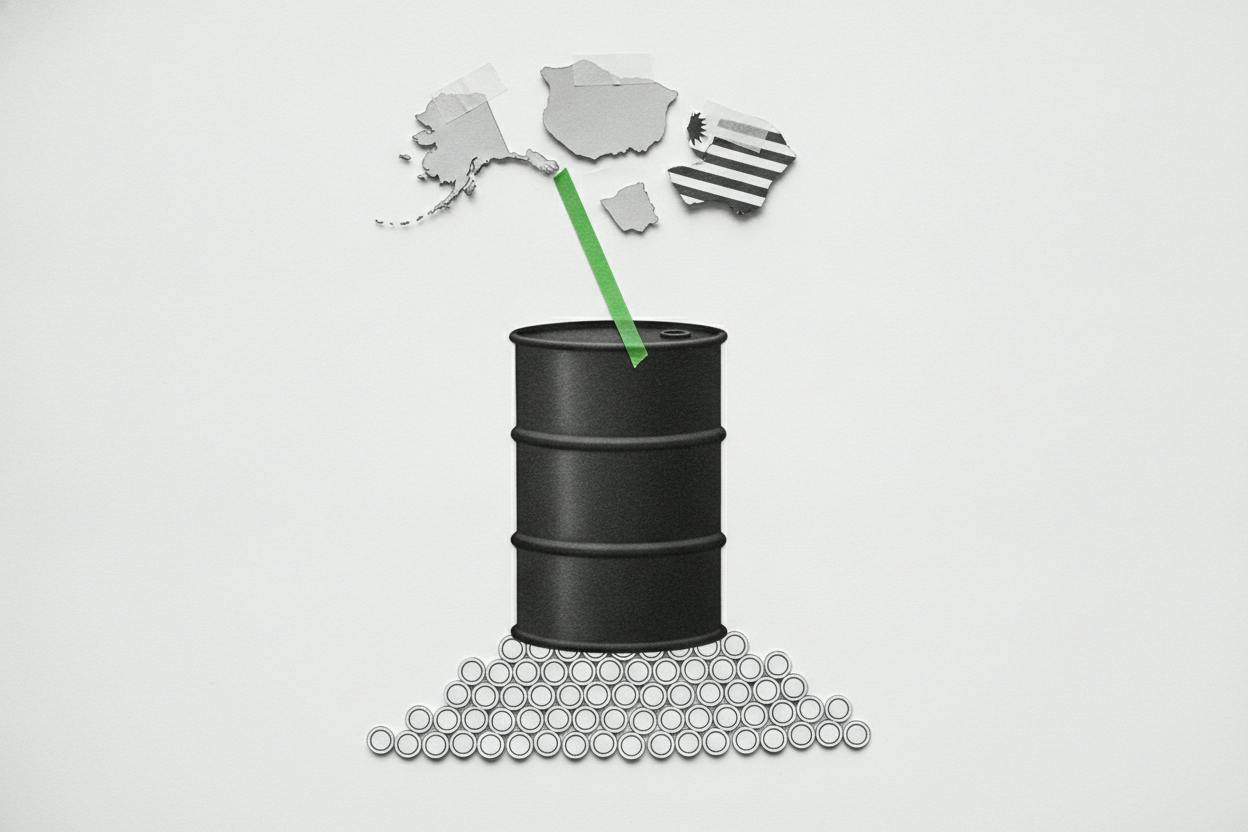
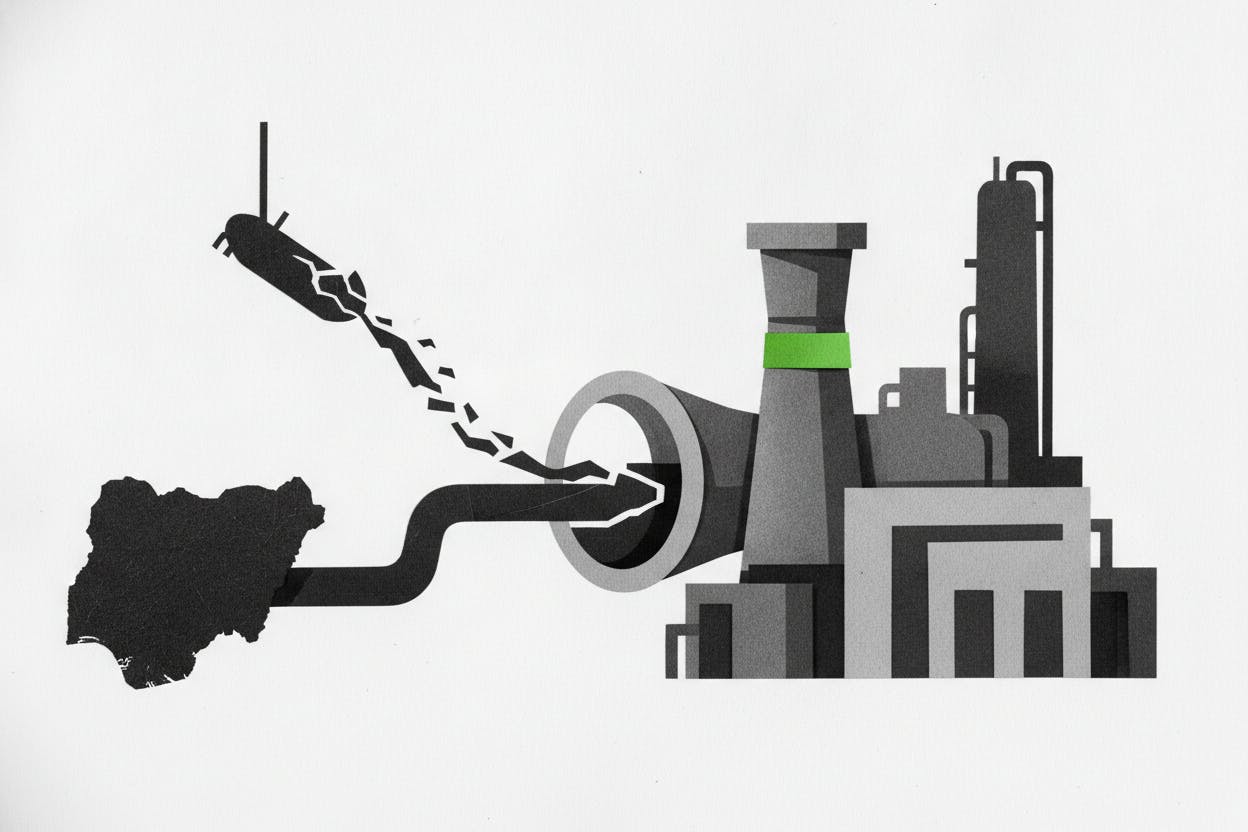
For Dangote, the challenge is twofold. First, it needs a reliable and consistent supply of crude. Second, it needs that crude at a price that leaves room for healthy margins. The refinery is located in Nigeria, which is Africa's largest oil producer, pumping roughly 1.6 million barrels per day. However, a significant portion of that output is already committed to existing contracts or is being used to meet domestic demand. That means the refinery may have to look beyond Nigeria's borders for some of its feedstock, which could add costs and logistical complexity.
Investors are watching closely to see how the company navigates this. If Dangote can secure long-term supply agreements at favorable terms, it could reassure the market and support a strong valuation. If not, the IPO could face headwinds, as buyers may worry about future profitability.
What this means for investors
For everyday investors, the Dangote IPO is worth watching for a few reasons. First, it would be a rare opportunity to gain exposure to Africa's energy sector through a major listing. The continent has seen relatively few large IPOs in recent years, and a successful listing could open the door for more.
Second, the outcome will hinge on global oil market dynamics. Crude prices have been volatile, influenced by factors like OPEC+ production decisions, geopolitical tensions, and demand from major economies. If crude prices stay elevated, Dangote's feedstock costs could rise, potentially squeezing margins. Conversely, if prices fall, the refinery might benefit, but so would its competitors.
It's also important to remember that IPOs are inherently risky. The company's financials, its ability to execute on expansion plans, and the regulatory environment in Nigeria will all play a role in determining whether the listing is a success. Investors should do their own research and consider their risk tolerance before jumping in.
The broader context is also relevant. African markets have been in focus recently, with investors weighing the impact of Iran sanctions, oil price dips, and a firm rand. A successful Dangote IPO could boost sentiment across the continent, while a stumble could have the opposite effect.
The bigger picture
Dangote Refinery is not just a corporate story; it's a national one. Nigeria has long relied on importing refined petroleum products despite being a major crude producer, a paradox that has drained foreign exchange reserves and left the country vulnerable to global price swings. The refinery, built by Africa's richest man, Aliko Dangote, is seen as a potential solution to that problem. If it can operate efficiently, it could reduce Nigeria's dependence on imports and even turn the country into a net exporter of refined products.
But the road to that vision is paved with challenges. The refinery has faced delays and cost overruns, and the question of feedstock supply remains unresolved. The company has been in talks with various parties, including international traders and national oil companies, to secure crude. Some reports suggest it has been importing crude from other countries, which is not unusual for refineries but does add complexity.
For now, the October timeline is tentative. The company has not officially confirmed the listing date, and market conditions could change. But if the IPO does go ahead, it will be a major event for African capital markets and a test of investor appetite for large-scale energy projects on the continent.
In the meantime, investors should keep an eye on crude oil prices and any news about Dangote's supply agreements. The company's ability to lock in feedstock at reasonable prices will be a key indicator of its future profitability. As with any IPO, the prospectus will provide more details, and it's worth reading carefully before making any decisions.
For those interested in the broader energy sector, the Dangote story is a reminder that refining is a complex business where success depends on more than just building a big plant. It's about securing inputs, managing costs, and navigating a volatile global market. The outcome of this IPO will be a telling sign of whether Dangote can do all that successfully.