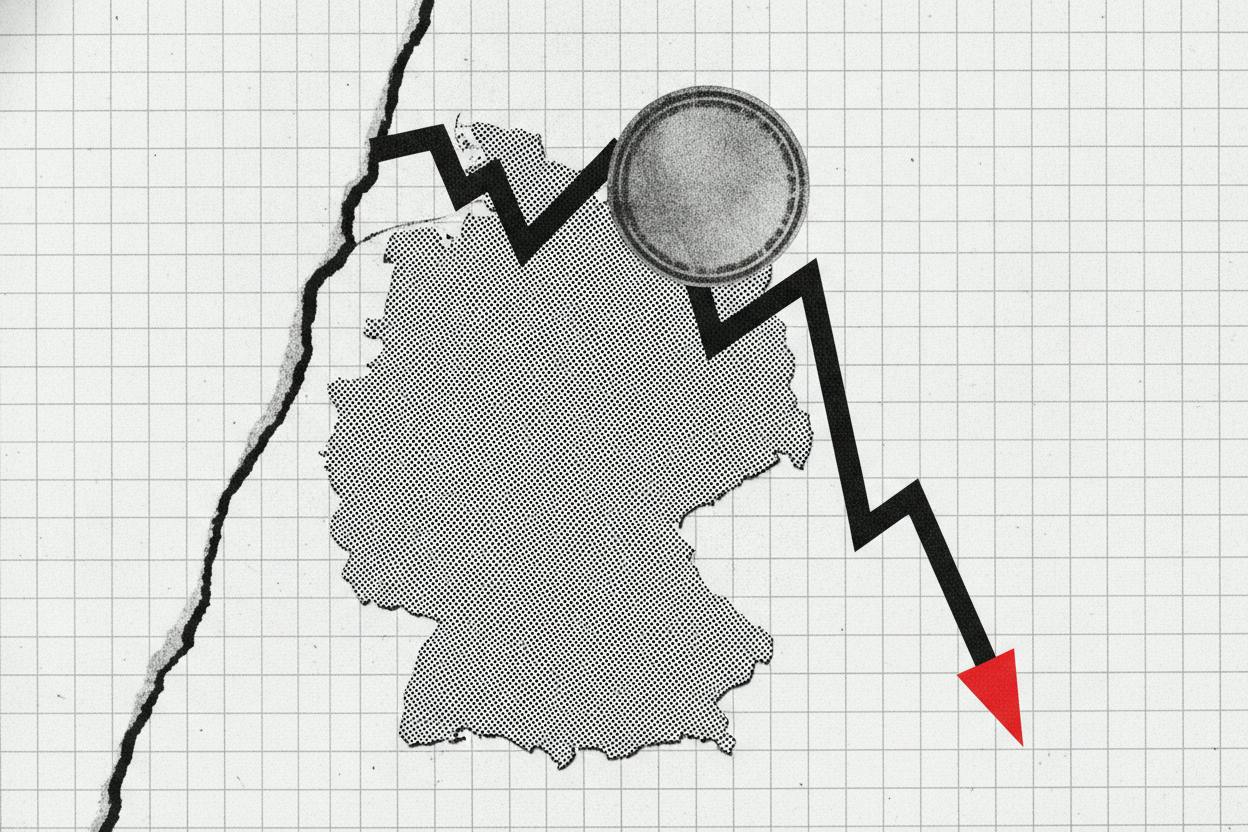
Germany's benchmark DAX index slipped 1.11% on Wednesday, as investors juggled a hotter-than-expected inflation reading from the eurozone, fresh geopolitical tensions in the Middle East, and signs that Berlin could make it harder for companies to quietly build control of German firms.
The pullback came after final data from Eurostat showed the euro area's annual inflation rate rose to 4% in October, up from 3.8% in September. More importantly, core inflation—which strips out volatile food and energy prices—ticked up to 2.6% from 2.5% and came in above the preliminary estimate. That matters because core inflation is the measure central banks watch most closely when setting interest rates.
Why inflation still matters
For much of the past year, investors have hoped that inflation would cool steadily, allowing central banks to cut interest rates and support stock prices. But Wednesday's data suggests that underlying price pressures are not fading as quickly as many had hoped. The eurozone's core inflation rate rising, rather than falling, is a sign that the European Central Bank may need to keep borrowing costs higher for longer.
Higher interest rates tend to weigh on stock valuations, especially for growth-oriented companies that promise big profits in the future. They also increase the cost of borrowing for businesses and consumers, which can slow economic activity. That's a key reason why the DAX, which is packed with export-oriented industrial and automotive giants, felt the pinch.
The inflation picture is not unique to the eurozone. UK inflation has also proven sticky, and the Bank of England now expects to hit its 2% target only by 2028. Across the Atlantic, the Federal Reserve is also grappling with price pressures that refuse to fade. For global investors, the message is the same: the era of ultra-cheap money is over, and markets are adjusting to a world where interest rates stay higher.
Geopolitics adds a risk premium
Adding to the nervousness were reports of new strikes in the Middle East and concerns about a wider escalation. Geopolitical shocks are a classic trigger for investors to demand a higher "risk premium"—the extra return they require to hold risky assets like stocks instead of safer ones like government bonds.
When risk premiums rise, stock prices tend to fall, and that's exactly what happened on Wednesday. The DAX wasn't alone: European stocks slipped broadly as the inflation data landed. Meanwhile, oil prices slipped despite the geopolitical tension, as rising US stockpiles offset worries about supply disruptions in the Strait of Hormuz.
For everyday investors, the key takeaway is that geopolitical events can create sudden, sharp market moves. But they rarely change the long-term trajectory of a diversified portfolio. Trying to time the market based on headlines is usually a losing game.
Germany's takeover rules could change the game
The third factor weighing on the DAX was a report from Reuters citing a German finance ministry draft bill that would require bidders to make fresh buyout offers to remaining shareholders when they cross certain ownership thresholds. Currently, a mandatory offer is triggered only once, at 30% ownership. The proposed change would require additional offers at higher thresholds, making it harder for an acquirer to build control in stages—a tactic known as a "creeping takeover."
Under the current rules, an investor can buy up to just under 30% of a company without having to make a full offer to all shareholders. Once they cross that line, they must make a mandatory offer. But if they stop at, say, 29.9%, they can later buy more shares on the open market, gradually increasing their stake without triggering another mandatory offer. The proposed rules would change that, forcing bidders to make fresh offers at each new threshold they cross.
The idea is to deter low-ball bids and prevent acquirers from quietly building control without paying a fair price to minority shareholders. But it also changes the economics of takeovers. Each new mandatory offer could mean paying a takeover premium again, and lining up more funding. That raises the all-in cost of a deal and could make marginal acquisitions less attractive.
What it means for investors
For investors in German-listed companies, the potential rule change is more than a regulatory footnote. Some stocks trade with an embedded expectation that a buyer could eventually come along and pay a premium. If creeping takeovers become harder, that "takeover optionality" shrinks. The result could be a smaller merger-and-acquisition premium baked into valuations, and a tougher environment for merger-arbitrage strategies that bet on deals completing.
It's also worth noting that the DAX's decline on Wednesday was relatively modest—just over 1%. That's not a crash, but it's a reminder that markets are sensitive to a combination of sticky inflation, geopolitical risk, and regulatory changes that could affect corporate behavior.
For long-term investors, the best response is usually to stay the course. Inflation that stays higher for longer means interest rates may stay higher for longer, which can pressure stock valuations. But it also means cash and bonds are offering more attractive yields than they have in years. Diversification across asset classes and geographies remains the most reliable way to weather these crosscurrents.
As always, keep an eye on the data. The next inflation prints and central bank meetings will give a clearer picture of whether the recent stickiness is a blip or a trend. And watch how Germany's takeover rules evolve—if they pass, they could reshape the landscape for deal-making in Europe's largest economy.



