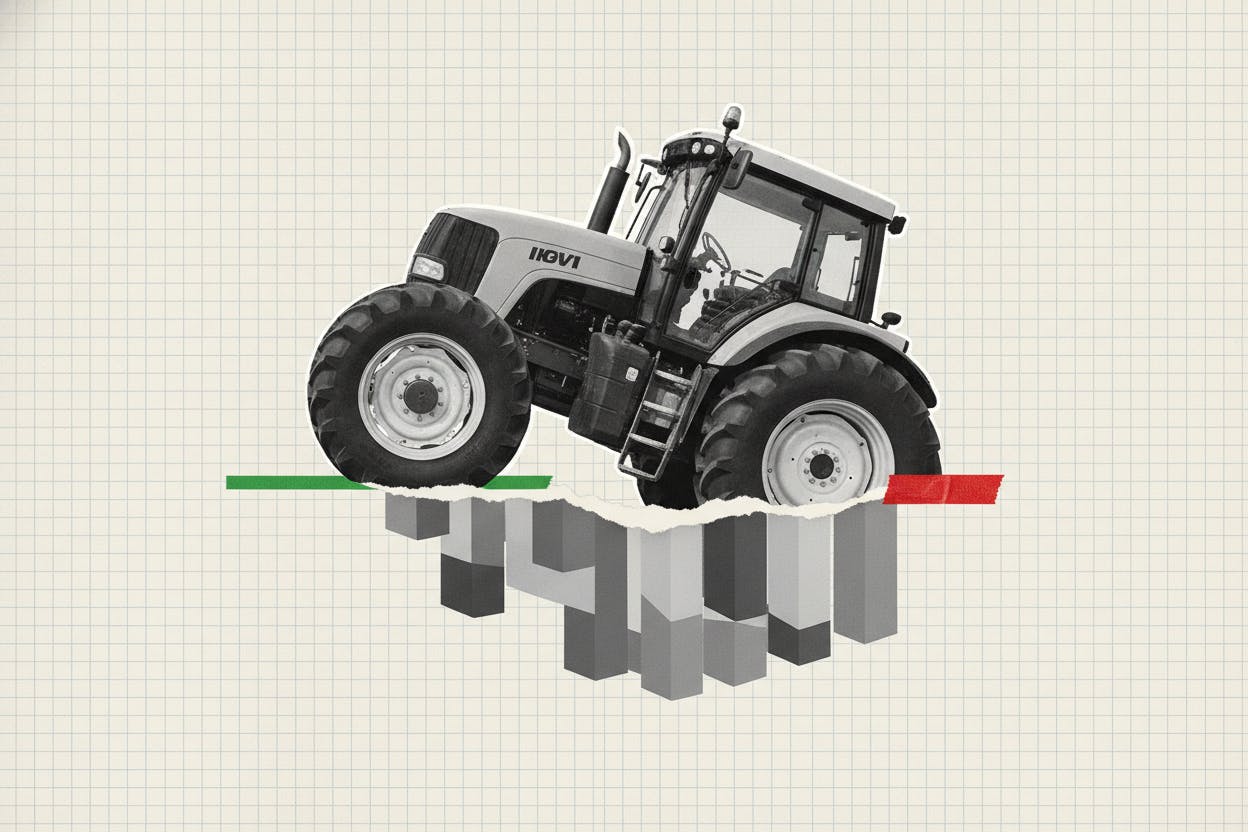
Deere & Co., the world's largest farm-equipment maker, delivered fiscal third-quarter results that beat Wall Street's low bar, but its fourth-quarter profit forecast came in short of expectations. The mixed update leaves investors weighing whether the prolonged slump in agricultural machinery demand is finally nearing its floor.
The company, known for its green and yellow tractors and combines, has been grappling with a downturn in the farming economy. High interest rates, falling crop prices, and cautious farmer spending have weighed on equipment sales for several quarters. Against that backdrop, analysts had braced for weak numbers, and Deere managed to clear that modest hurdle.
However, the company's guidance for the current quarter disappointed. Deere's outlook suggests the pressure on margins and volumes hasn't fully lifted, even as some early signs of stabilization emerge. The stock's reaction reflected the mixed picture: relief that the quarter wasn't worse, tempered by the reality that the recovery isn't here yet.
What's driving the farm-equipment slump?
The agricultural equipment cycle is notoriously cyclical, tied to the financial health of farmers. When crop prices are strong and incomes are high, farmers invest in new machinery. When margins tighten, they hold onto older equipment or buy used, hitting manufacturers like Deere.
Currently, farmers are facing a squeeze. Key crop prices have softened from recent peaks, and borrowing costs remain elevated, making big-ticket purchases like a new combine or tractor more expensive to finance. That combination has led to a sharp pullback in demand, which Deere and its rivals have been navigating by cutting production and offering discounts to move inventory.
Deere's fiscal year runs from November through October, so its fourth quarter is the final stretch of its current fiscal year. The company's cautious Q4 guidance suggests it doesn't expect a dramatic rebound in the next few months.
UBS sees steadier orders, hints at a 2026 bottom
Amid the gloom, there's a note of cautious optimism from analysts at UBS. The bank said early order patterns look steadier than many had feared, which supports Deere's own view that fiscal 2026 could mark the bottom of the current agriculture cycle.
That doesn't mean a sharp recovery is imminent. Rather, it suggests that the pace of decline may be slowing, and that order books are stabilizing at lower levels. For a company like Deere, which has been cutting costs and adjusting production to match weaker demand, a stabilization in orders could be the first step toward a more balanced supply-demand picture.
Investors have been watching for signs that the downturn is bottoming out, and UBS's commentary adds weight to the idea that the worst may be behind. But the market remains cautious, as the Q4 guidance shows that the path to recovery is likely to be gradual.
What it means for investors
For everyday investors, Deere's results are a reminder of how cyclical industries can test patience. The company is a bellwether for the broader agricultural economy, and its performance is closely tied to factors like global crop prices, trade policy, and interest rates.
The fact that Deere beat low expectations is positive, but the soft Q4 outlook tempers enthusiasm. Investors should watch for a few key indicators in the coming months: order trends, dealer inventory levels, and any changes in farmer sentiment. If orders continue to stabilize, it could signal that the cycle is indeed nearing a trough, which might set the stage for a recovery in 2026.
It's also worth noting that Deere has been investing in technology and precision agriculture, which could help it weather the downturn and emerge stronger when demand recovers. But in the near term, the company's fortunes remain tied to the farm economy.
For those considering an investment in Deere or similar equipment makers, it's important to understand that cyclical stocks can be volatile. They often bottom out before the underlying industry does, but timing that turn is difficult. As always, diversification and a long-term perspective are key.
In the broader market context, Deere's update comes as investors are also watching other sectors for signs of economic health. For example, discount retailer TJX recently raised its outlook, suggesting consumer spending remains resilient in some areas. Meanwhile, soft economic data has cooled expectations of further Fed rate hikes, which could eventually ease borrowing costs for farmers and other capital-intensive industries.
Ultimately, Deere's quarter is a snapshot of a company in the middle of a downturn, trying to position itself for the next upswing. The market's reaction will hinge on whether investors believe the bottom is near. For now, the evidence is mixed, but the early signs from UBS offer a glimmer of hope.