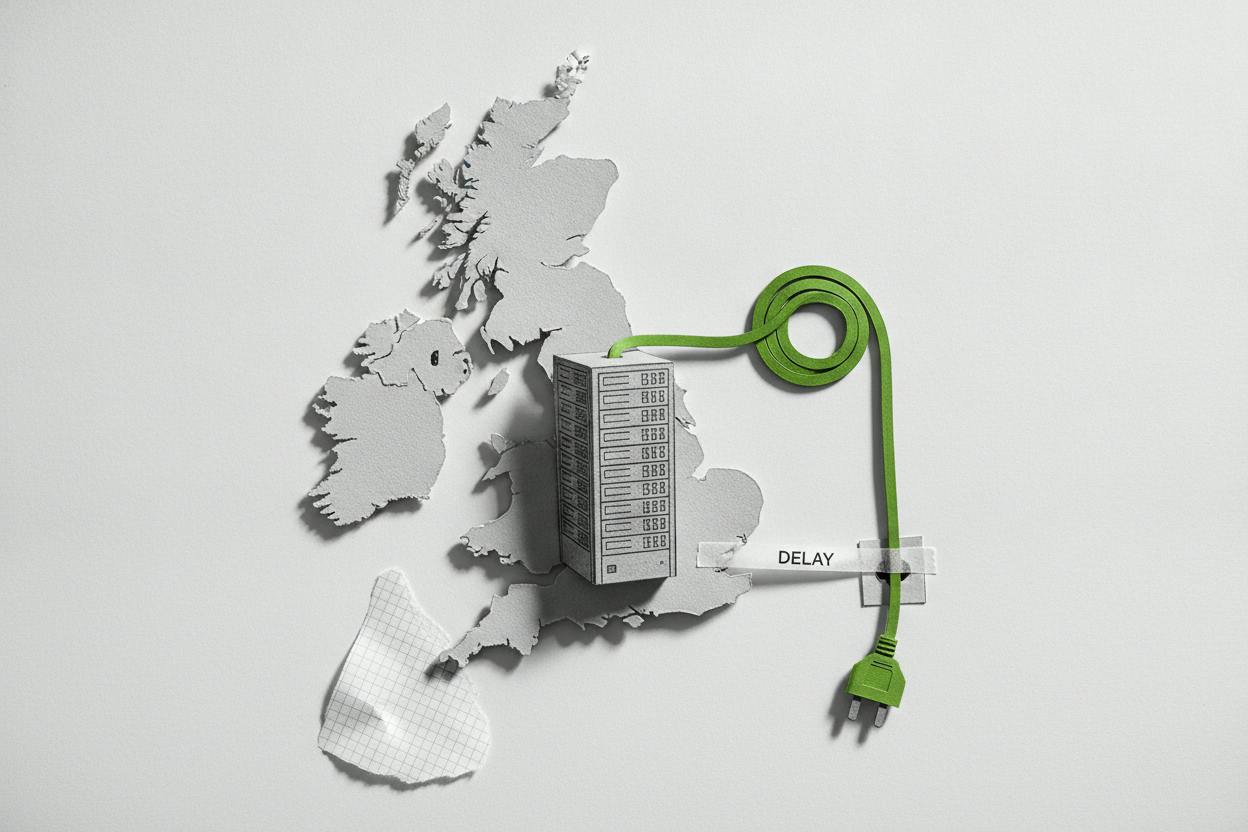
It was a tale of two tech trades late Wednesday. Dell Technologies surged 15% after posting stronger-than-expected results and raising its fiscal 2027 guidance, while cybersecurity heavyweight Palo Alto Networks tumbled 10% after reporting that its adjusted gross margin slipped compared with a year earlier.
The sharp divergence is a reminder that “tech” is not a single, uniform trade. Hardware and infrastructure names like Dell can be rewarded when demand and long-term targets look sturdier, while premium software companies can get punished if the path to profits appears less certain.
Why Dell jumped
Dell’s rally came on the back of results that beat expectations and a lift to its outlook for fiscal 2027. For investors, that combination is often a signal that the company’s core businesses—PCs, servers, and storage—are holding up better than feared, and that management sees enough demand to raise its own bar.
The company has been a key player in the AI infrastructure boom, supplying servers and storage for data centers. While the brief doesn’t specify the exact drivers, a stronger guide typically suggests that order books are filling up and that the company is confident about the road ahead.
For everyday investors, a double-digit pop like this shows how quickly sentiment can shift when a company beats expectations and raises its forecast. It also underscores that hardware makers can still find favor when they demonstrate pricing power and robust demand.
Why Palo Alto dropped
Palo Alto Networks, on the other hand, saw its shares slide 10% after its adjusted gross margin fell from the same period a year earlier. Gross margin—the percentage of revenue left after direct costs—is a key metric for software companies because it reflects pricing power and how efficiently they can turn each extra dollar of sales into profit.
When that figure moves in the wrong direction, investors often worry that the company is having to spend more to win business, or that competition is forcing it to discount. In cybersecurity, where customers are increasingly consolidating vendors and demanding integrated platforms, margin pressure can be a red flag even if revenue growth remains solid.
The decline in Palo Alto’s stock is a reminder that for high-multiple software names, the market is often unforgiving when profitability metrics wobble. Even a small change in gross margin can have an outsized effect on the stock because investors are pricing in years of future cash flows.
What it means for investors
The split between Dell and Palo Alto highlights the importance of looking beyond the broad “tech” label. Different sub-sectors are driven by different fundamentals. Hardware and infrastructure companies are often judged on demand cycles and backlog, while software and cybersecurity firms are more sensitive to margins and recurring revenue quality.
For investors, this is a useful case study in how to evaluate earnings reports. A company can beat on revenue but still see its stock fall if margins deteriorate or guidance disappoints. Conversely, a company that raises its outlook can see a big rally even if the headline numbers are only modestly better.
It also underscores the value of understanding what drives a company’s profitability. For Palo Alto, the gross margin dip suggests that its aggressive push into AI-driven security platforms may be costing more to deliver, at least in the short term. For Dell, the raised guidance points to confidence in sustained demand for its AI servers and storage.
Broader market context
The moves come amid a mixed backdrop for equities. Recent data has shown a cooling labor market and rising oil prices, with stocks edging higher as oil jumped to $90 on US-Iran strikes. Meanwhile, the S&P 500 edged higher as traders weighed soft ADP data and rising Fed hike odds.
Tech stocks have been particularly sensitive to interest rate expectations, as higher rates tend to compress the value of future earnings. That backdrop makes company-specific news like earnings and guidance even more important for individual stock moves.
What to watch next
Investors will likely be watching whether Dell’s momentum continues and whether Palo Alto can stabilize its margins in coming quarters. For Dell, the key question is whether the AI-driven demand is sustainable or just a temporary surge. For Palo Alto, the focus will be on whether the margin dip is a one-off or a sign of intensifying competition.
Both companies are also part of the broader tech landscape that has been shaped by the AI boom. Nvidia's reported $14B bid for Hugging Face recently lifted tech stocks, and the sector remains a primary driver of market performance.
For everyday investors, the lesson is to look under the hood of any tech stock you own or are considering. Understand what drives its margins, what its guidance implies, and how it fits into the broader AI and cloud spending cycle. That kind of diligence can help you avoid being caught off guard by the kind of split that played out Wednesday.