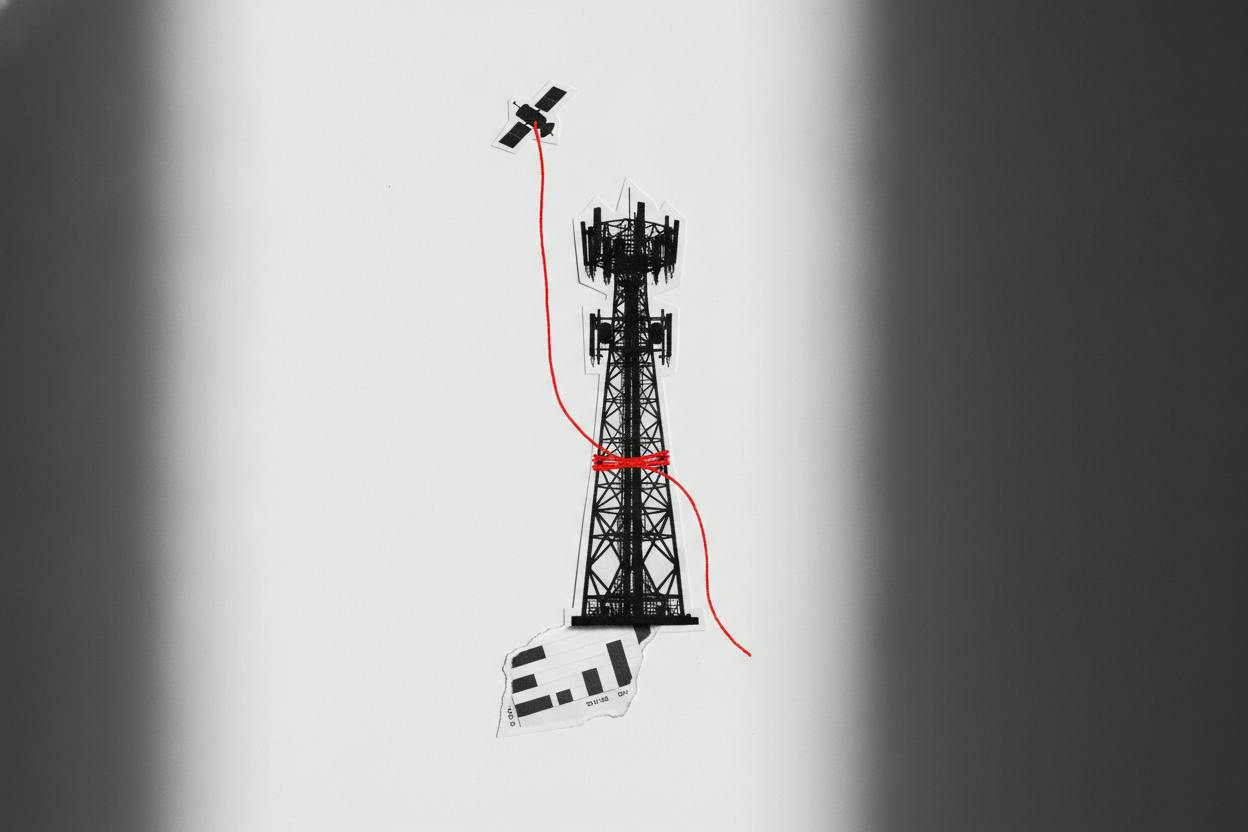
Deutsche Telekom's chief executive, Tim Hoettges, has warned that SpaceX is poised to become a more serious competitor in the US mobile market, a shift that investors are already factoring into the valuations of the country's biggest wireless carriers.
Speaking to analysts, Hoettges said the market is "pricing in" tougher competition for Verizon, AT&T, and T-Mobile US — the three dominant players that control the vast majority of American mobile subscriptions. The comments come as Deutsche Telekom, which owns a majority stake in T-Mobile US, simultaneously raised its outlook for 2026, a sign that the company sees its own growth continuing despite the emerging threat.
What is SpaceX doing in mobile?
SpaceX, best known for its rocket launches and Starlink satellite internet service, has been quietly building a presence in the telecommunications space. Its Starlink division already offers satellite-based internet to consumers in remote areas, and recent partnerships have pointed toward a deeper push into mobile connectivity.
Earlier this year, Qualcomm announced a major deal with SpaceX to integrate Starlink's satellite capabilities into 5G smartphones, a move that could allow phones to connect directly to satellites when out of range of traditional cell towers. That partnership, described as Qualcomm's biggest 5G deal yet, is a key piece of the puzzle for SpaceX's mobile ambitions.
For now, the direct-to-phone service is still in its early stages, but the potential is significant. If satellite connectivity becomes a standard feature on smartphones, it could erode one of the key advantages that traditional carriers have: their vast networks of ground-based towers.
Why investors are worried
Investors have long viewed the US wireless market as a stable, oligopolistic industry where Verizon, AT&T, and T-Mobile US enjoy high margins and predictable cash flows. That stability has made their stocks popular with income-focused investors, who rely on the carriers' generous dividends.
But the prospect of a new entrant like SpaceX — which has deep pockets and a track record of disrupting established industries — threatens to upend that dynamic. If SpaceX can offer cheap or even free satellite connectivity bundled with its existing services, it could force the big carriers to cut prices or spend heavily to defend their market share.
Hoettges's comments suggest that investors are already starting to price in that risk. Shares of Verizon, AT&T, and T-Mobile US have all come under pressure in recent months, even as the broader market has rallied. The fear is that a price war or increased capital spending could eat into the profits that have made these companies so reliable.
Deutsche Telekom's confidence
Despite the warning, Deutsche Telekom raised its 2026 outlook, lifting its dividend and buyback plans. The company said it expects continued growth in its European operations and remains confident in T-Mobile US's ability to compete.
That confidence may be justified. T-Mobile US has been the most aggressive of the three carriers in rolling out 5G and has gained market share in recent years. Its merger with Sprint in 2020 gave it a stronger network and a larger customer base, and it has been able to undercut rivals on price while still growing.
Still, the threat from SpaceX is real. The company's Starlink service already has millions of subscribers, and its satellite network is the largest in the world. If SpaceX can leverage that infrastructure to offer mobile connectivity, it could become a formidable competitor.
What it means for investors
For everyday investors, the key takeaway is that the US mobile market may be entering a period of increased competition. That could mean lower prices for consumers, but it could also mean lower profits for the carriers — and potentially lower dividends or slower stock price growth.
Investors who hold shares in Verizon, AT&T, or T-Mobile US should be aware that the competitive landscape is shifting. While the carriers have strong networks and loyal customer bases, they are not immune to disruption. The rise of satellite-based mobile service is a trend worth watching closely.
At the same time, Deutsche Telekom's raised outlook suggests that the company sees more upside than risk in its US business. T-Mobile US has a track record of navigating competitive challenges, and its parent company is clearly betting that it can continue to do so.
As with any investment, it's important to consider the broader picture. The wireless industry has been a reliable source of returns for years, but that could change if SpaceX follows through on its mobile ambitions. Investors should keep an eye on how the carriers respond — whether they cut prices, invest in their own satellite capabilities, or find other ways to defend their turf.
For now, the market is sending a clear signal: the era of easy profits in US mobile may be coming to an end. Whether that's a temporary blip or a lasting shift remains to be seen, but it's a development that no investor in the sector can afford to ignore.