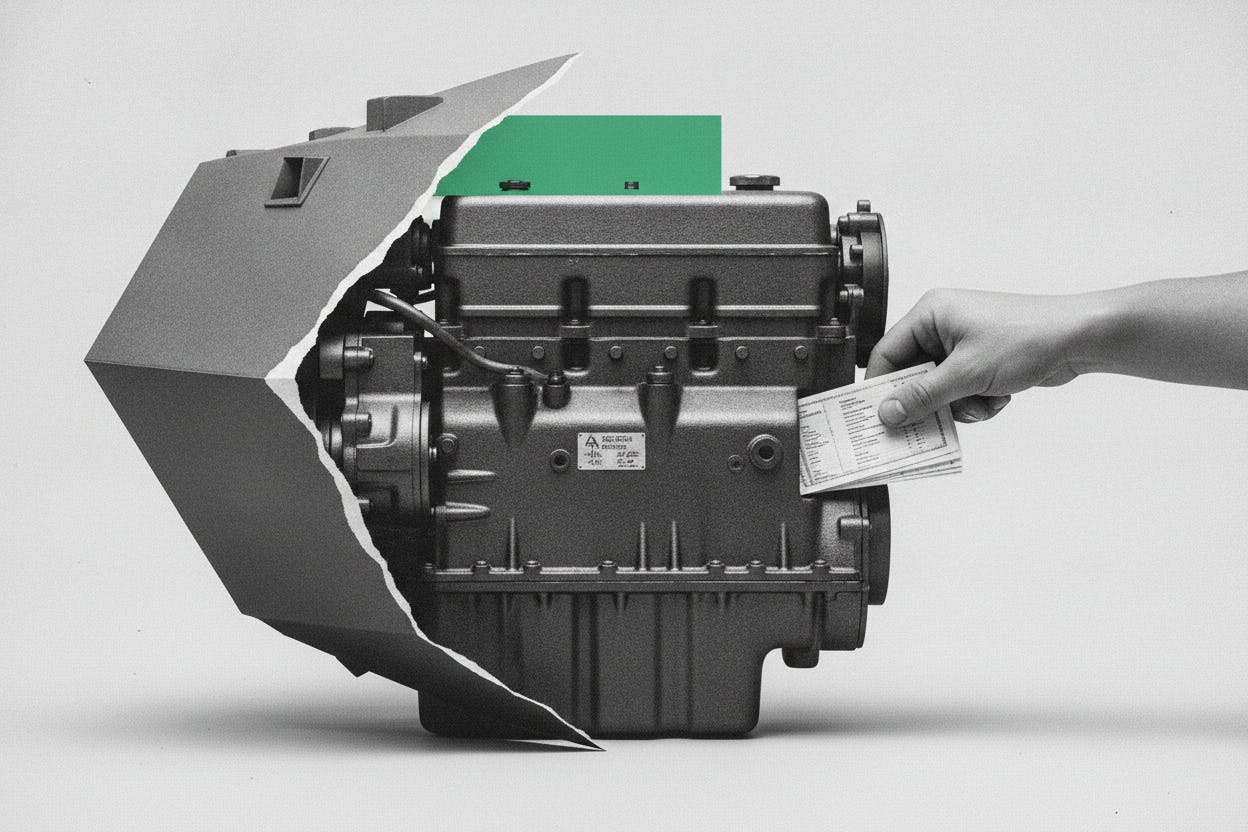
German industrial engine maker Deutz has agreed to acquire FFG, a manufacturer of armored military vehicles, in a deal valued at €1.6 billion. The transaction, structured as a mix of cash and newly issued Deutz shares, would give FFG's founding family owners a stake of up to 29.9% in Deutz, making them anchor shareholders.
What's the Deal?
Deutz, best known for its diesel and gas engines used in construction, agriculture, and industrial equipment, is paying €1.6 billion to buy FFG (Flensburger Fahrzeugbau Gesellschaft). FFG specializes in building and upgrading armored vehicles, including recovery vehicles and armored personnel carriers, primarily for the German armed forces and other NATO customers.
The consideration includes both cash and newly issued Deutz shares. FFG's family owners will receive enough shares to hold up to 29.9% of Deutz's outstanding stock, giving them significant influence over the combined company's future direction.
Why Does This Matter?
This acquisition marks a strategic pivot for Deutz. The company has been working to transform itself from a pure-play engine manufacturer into a broader industrial group. Adding a defense business alongside its existing energy and engine operations diversifies its revenue streams and taps into rising global defense spending.
European defense budgets have been increasing in recent years, driven by geopolitical tensions and NATO commitments. FFG's expertise in armored vehicles positions Deutz to benefit from this trend, especially as Germany and other NATO members modernize their military fleets.
The deal also reflects a broader pattern of industrial companies seeking exposure to defense markets. As governments prioritize military readiness, suppliers of vehicles, components, and maintenance services are seeing steady demand. For Deutz, FFG provides an established customer base and a track record of contracts with the German military and allied forces.
What It Means for Investors
For everyday investors, this deal highlights how industrial companies are repositioning themselves to capture growth in defense. Deutz shareholders will see their company take on a new identity, with defense potentially becoming a major profit center alongside engines and energy.
The involvement of FFG's family owners as anchor shareholders could provide stability and long-term strategic focus. Large family stakes often align management with patient capital, reducing pressure for short-term results. However, it also means those owners will have a strong voice in major decisions, including potential future acquisitions or capital allocation.
Investors should watch how Deutz integrates FFG and whether it can win additional military contracts. The company will also need to manage the cultural and operational differences between a traditional engine maker and a specialized defense contractor. Debt levels and the cash portion of the deal will be important to monitor, as large acquisitions can strain balance sheets.
For those invested in broader industrial or defense ETFs, this deal is a reminder that defense exposure can come from unexpected places. Companies like Deutz are increasingly blending civilian and military businesses, blurring the lines between sectors.
Looking Ahead
The acquisition is subject to regulatory approvals, including antitrust and foreign investment reviews. Given FFG's work with NATO militaries, the deal may face scrutiny from German and EU authorities, but it is unlikely to be blocked given the strategic rationale.
Deutz expects the deal to close within the next few months. Once completed, the company will report financial results that include FFG's contributions. Investors will get their first look at the combined entity's performance in the next earnings season.
In the meantime, the broader market for defense-related M&A remains active. Similar deals in Europe and the US have seen industrial conglomerates and private equity firms snapping up military suppliers. Deutz's move into armored vehicles could inspire other engine or component makers to explore defense acquisitions.
For now, the €1.6 billion price tag reflects the value that Deutz sees in FFG's capabilities and customer relationships. Whether the bet pays off will depend on execution, but the strategic logic is clear: defense is a growth industry, and Deutz wants a piece of it.