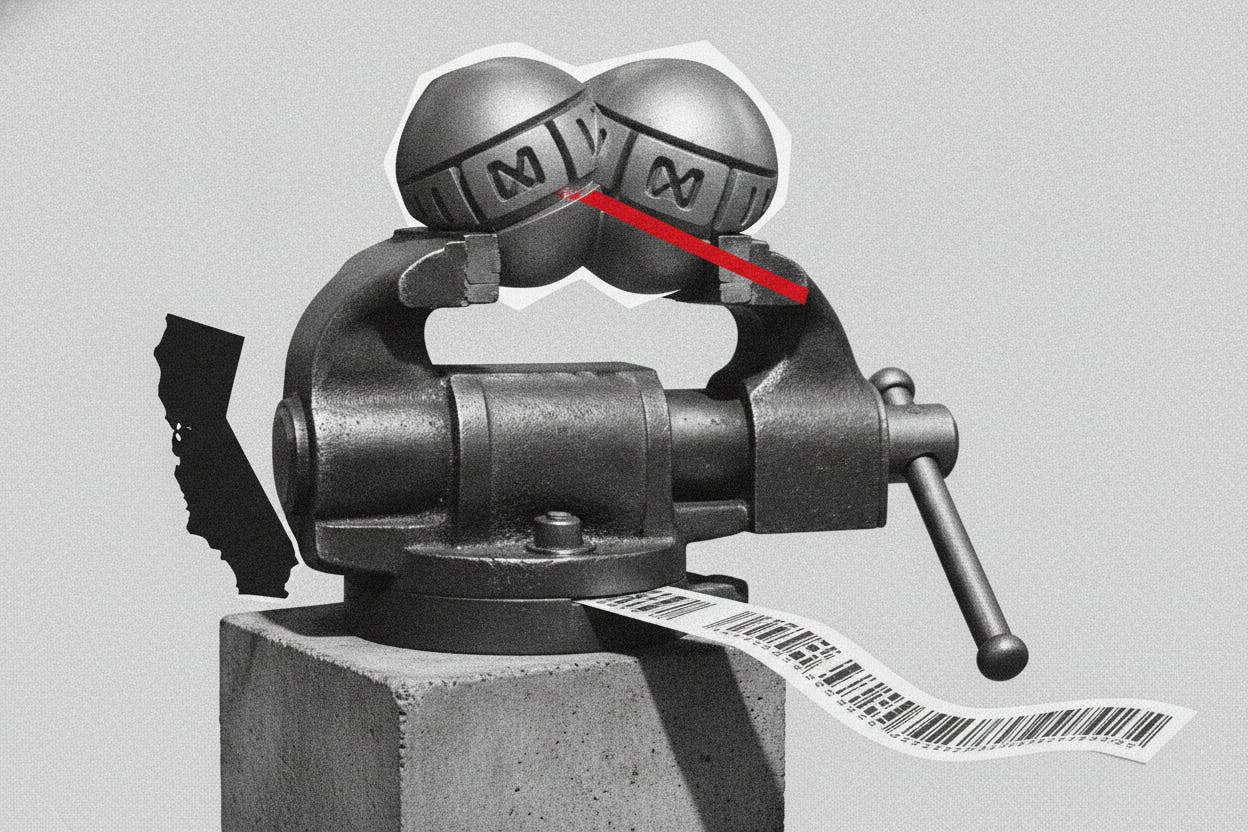
Paramount's proposed $110 billion acquisition of Warner Bros. Discovery has hit a new regulatory hurdle. According to Reuters, California Attorney General Rob Bonta is leading a multistate investigation into the deal, and a lawsuit could be filed as soon as next week. The report follows earlier indications that California, New York, and other states were preparing legal action to block the merger.
What's at Stake in the Merger
The deal would combine two of Hollywood's biggest studios, bringing together Paramount Pictures, CBS, and Nickelodeon with Warner Bros., HBO, and CNN under one corporate roof. The combined entity would control a vast library of film and television content, as well as major streaming services like Paramount+ and Max. For the companies, the merger is a bet that bigger scale can help them compete with streaming giants like Netflix and Disney. But for regulators, the question is whether that scale gives the new company too much power over what viewers watch and how much they pay.
Antitrust reviews of large media mergers have become more aggressive in recent years. The U.S. Department of Justice and the Federal Trade Commission have challenged several big deals, and state attorneys general have increasingly joined forces to scrutinize transactions they believe could harm competition or consumers. This multistate probe follows a similar pattern.
What a Lawsuit Would Mean for the Timeline
Even if Paramount and Warner Bros. Discovery ultimately win approval, litigation can stretch the antitrust review from a straightforward regulatory decision into a court battle that takes months. The companies would need to defend the deal in court, potentially delaying the closing date well beyond initial expectations. That matters because time costs money: the longer the transaction sits in limbo, the longer Paramount may be on the hook for financing costs, advisory fees, and the distraction of managing a business in transition. Uncertainty can also weigh on the stock prices of both companies, as investors factor in the risk of a blocked deal or a lengthy delay.
The situation echoes other recent media mergers that faced prolonged antitrust scrutiny. For example, the proposed merger of Penguin Random House and Simon & Schuster was blocked by a federal judge in 2022 after a multi-month trial. While each case is different, the pattern shows that state-led challenges can be a serious obstacle.
What It Means for Investors
For everyday investors, the key takeaway is that this deal is far from a sure thing. The possibility of a lawsuit introduces significant uncertainty into the timeline and the outcome. Investors in Paramount and Warner Bros. Discovery should watch for updates from the California attorney general's office and any court filings. If a lawsuit is filed, the companies will likely argue that the merger benefits consumers by creating a stronger competitor to larger streaming services. But the states may counter that the deal reduces competition in content production and distribution.
Beyond the legal drama, the broader media landscape is shifting rapidly. Streaming services are consolidating to achieve profitability, and traditional TV networks are struggling as viewers cut the cord. This deal is part of that trend, but it also highlights the tension between corporate strategy and regulatory oversight. For context, the broader market has been reacting to various headwinds, as seen in recent consumer stock slides tied to warnings from Domino's and doubts about Tesla's robotaxi plans, alongside the Paramount deal hurdle.
Investors should also note that Paramount has already offered concessions to European regulators to secure approval there, as reported in Paramount Skydance Offers EU Concessions to Seal $110B Warner Deal. That suggests the company is willing to make adjustments to address antitrust concerns, but it remains to be seen whether those concessions will satisfy U.S. state attorneys general.
What to Watch Next
The next few days could be critical. If a lawsuit is filed next week, it will trigger a legal process that could include requests for temporary restraining orders or preliminary injunctions to halt the deal while the case proceeds. Investors should pay attention to any statements from the companies, as well as court rulings on procedural motions. The outcome of this state probe could set a precedent for how other large media mergers are reviewed in the future.
In the meantime, the companies will continue to operate independently, but the uncertainty could affect their ability to make strategic decisions, such as content investments or talent contracts. For investors, patience and a close watch on regulatory developments are the order of the day.