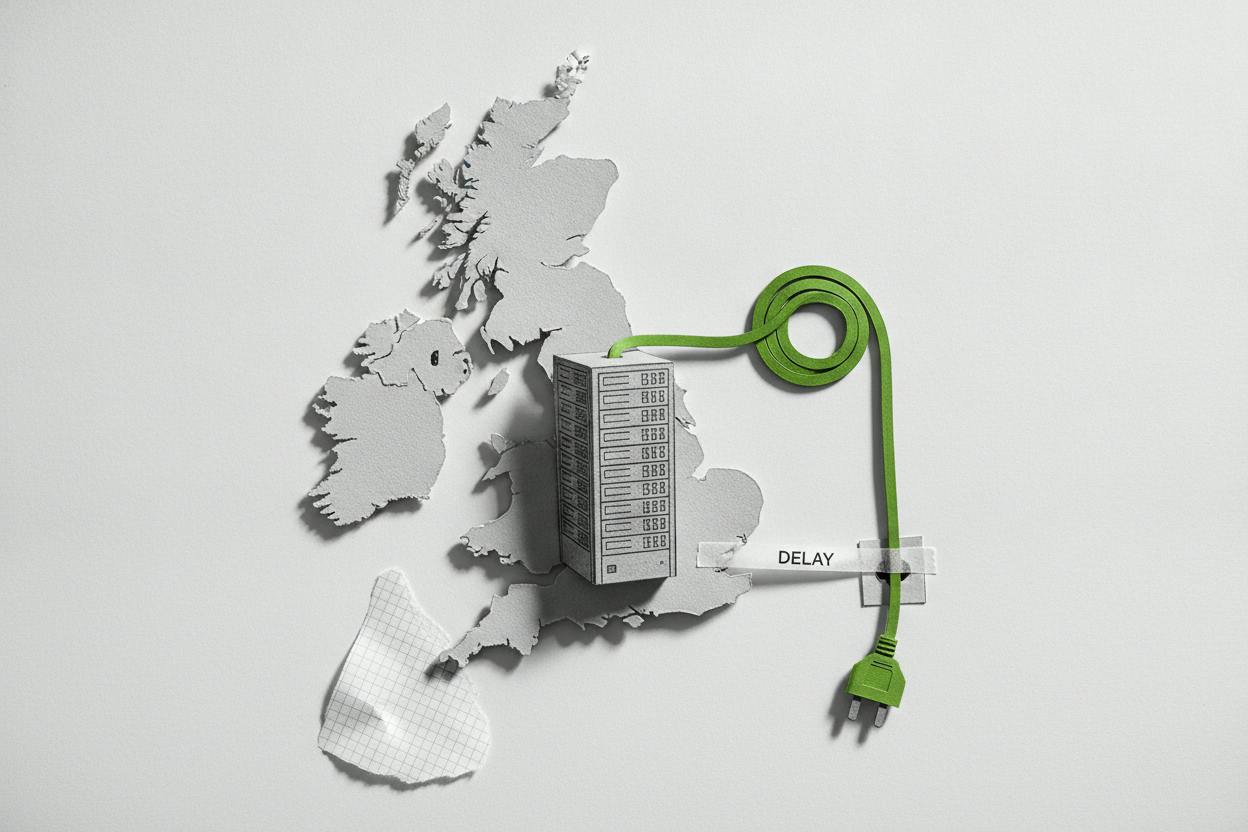
The U.S. Department of Justice is investigating whether Nvidia's $17 billion licensing agreement with AI chip startup Groq was structured to sidestep antitrust review, according to a report from The New York Times. The deal, which was announced earlier this year, involves Nvidia licensing its technology to Groq rather than acquiring the company outright. Prosecutors are now asking whether that structure was designed to avoid the regulatory hurdles that come with a traditional merger or acquisition.
For everyday investors, this news is a reminder that the AI boom is not just about innovation—it's also about regulation. As Nvidia continues to dominate the market for AI chips, its deals are drawing increasing scrutiny from government watchdogs. The outcome of this investigation could have ripple effects across the tech sector, potentially reshaping how major companies structure their partnerships.
What is the Groq deal?
Groq is a startup that designs specialized chips for AI workloads, competing in a space where Nvidia is the clear leader. The $17 billion licensing agreement would give Groq access to Nvidia's technology, but it stops short of a full acquisition. That distinction matters: under U.S. antitrust law, large mergers and acquisitions above a certain size must be reported to regulators for review. Licensing deals, on the other hand, often fall outside those requirements.
The DOJ's concern, according to the Times, is that Nvidia may have intentionally chosen a licensing structure to avoid triggering that review. If regulators believe the deal is effectively a merger in disguise—giving Nvidia control over a competitor without the formalities—they could challenge it or demand changes.
This is not the first time Nvidia has faced antitrust questions. The company has been under scrutiny for its dominance in AI chips, and regulators have been looking at its broader business practices. The Groq probe adds to that pressure, and it comes at a time when governments around the world are paying closer attention to the power of a few tech giants.
Why the DOJ is interested
Antitrust enforcement has been a priority for the Biden administration, and the DOJ has been active in challenging big tech deals. The core question in this case is whether Nvidia is using licensing agreements to consolidate its market power without giving regulators a chance to weigh in.
For context, Nvidia has been making a series of strategic moves to expand its AI footprint. The company has invested in startups and data center projects, including a $3.1 billion loan to build Nvidia-powered AI data centers and a $99 billion equity portfolio that reflects its bet on AI demand. These moves have made Nvidia one of the most valuable companies in the world, but they've also made it a target for regulators.
The Groq deal is just one piece of that puzzle. If the DOJ decides to act, it could set a precedent for how other tech companies structure their partnerships. That could slow down the pace of AI consolidation and give smaller players more room to compete.
What it means for investors
For investors, the immediate impact is likely to be limited. Nvidia's stock has been a powerhouse, and one investigation is unlikely to derail its momentum overnight. But the probe adds an element of uncertainty. If regulators force changes to the Groq deal or impose fines, it could affect Nvidia's bottom line and its ability to make similar deals in the future.
More broadly, this is a sign that the regulatory environment for AI is tightening. Companies that rely on aggressive M&A or licensing strategies may face more hurdles, which could affect their growth plans. For investors, that means paying attention to how companies structure their deals and whether they're leaving themselves exposed to regulatory risk.
It's also worth noting that Nvidia is not alone in facing scrutiny. The broader tech sector has seen increased antitrust activity, and AI is a particular focus. As the technology becomes more central to the economy, expect regulators to keep a close eye on the biggest players.
For now, the DOJ's investigation is just that—an investigation. No charges have been filed, and Nvidia has not commented publicly on the report. But the news is a reminder that even the most successful companies can face headwinds from Washington. Investors should watch for any updates on the probe, as well as any signs that Nvidia is changing its approach to deals.
In the meantime, the AI race continues. Nvidia's technology is in high demand, and its partnerships—whether through licensing or investment—are likely to keep coming. The question is how much regulatory oversight will shape those deals going forward.