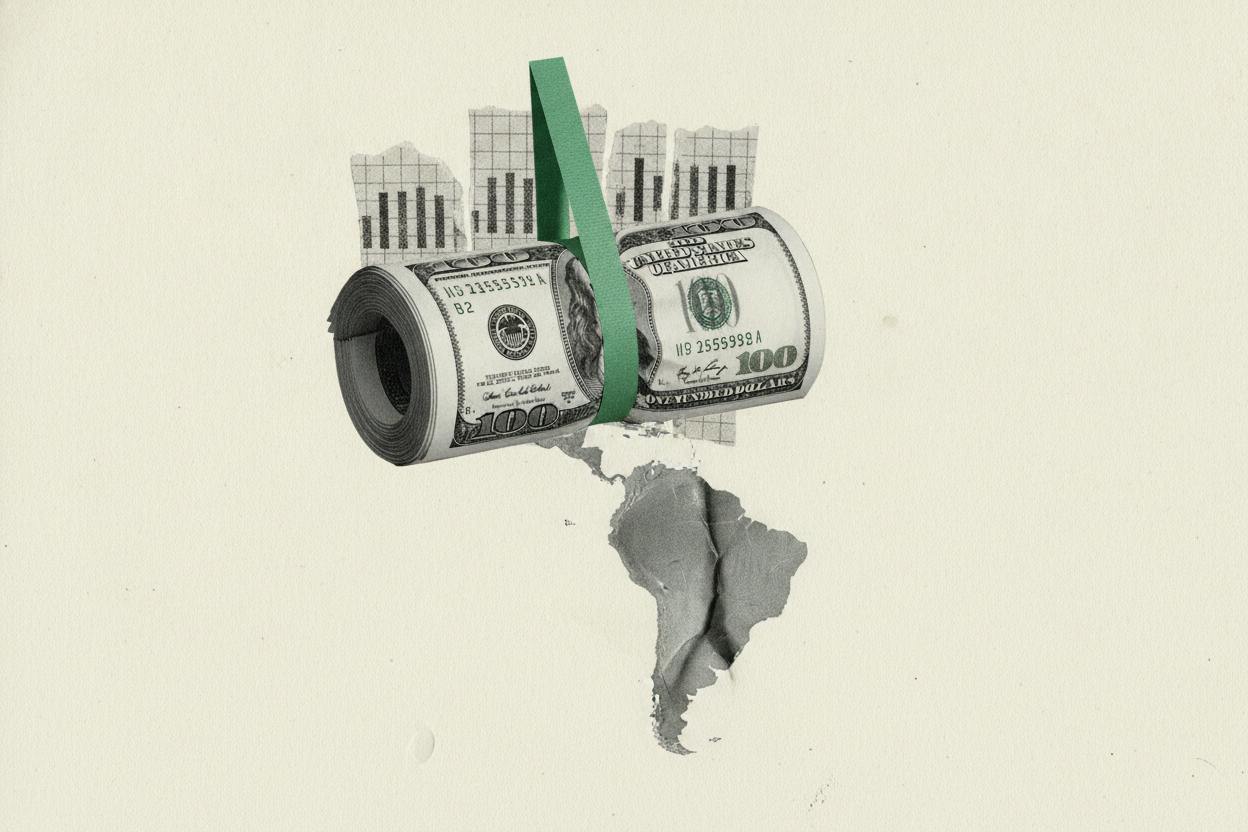
The US dollar extended its rally on [day], with the dollar index rising 0.1% to 103.88, as investors retreated from riskier trades and sought the safety of dollar liquidity. The move reflects a broader shift in market sentiment, driven by expectations that the Federal Reserve may keep interest rates higher for longer.
Hawkish Fed repricing
The latest leg of the dollar's advance comes after a hotter-than-expected US inflation reading, which prompted traders to reassess the path of monetary policy. This "hawkish repricing" means markets are now pricing in a greater chance that the Fed will hold rates at elevated levels or even hike again, rather than cutting soon.
Higher US interest rates make dollar-denominated assets more attractive, as investors can earn a higher return on cash-like holdings. This, in turn, strengthens the dollar against other currencies. But it also raises the cost of borrowing for investors who have funded positions in riskier assets, particularly in emerging markets.
AI IPO fails to lift sentiment
Adding to the risk-off tone, a major AI initial public offering from Anthropic failed to generate the kind of enthusiasm that often accompanies such listings. Despite the company's high profile, the IPO did not spark a broader rally in tech stocks or boost overall market sentiment. This lack of positive catalysts left investors with few reasons to take on risk.
Funding squeeze dynamics
When investors reduce leverage quickly, they often have to buy back dollars to repay loans or hedge exposures. This forced demand can spill into other corners of the market, hitting emerging-market assets and commodity-linked currencies disproportionately. In contrast, developed-market currency pairs can see more mixed moves, as some currencies like the Japanese yen may benefit from safe-haven flows.
The dollar's strength is not just a symptom of risk-off sentiment; it can also tighten financial conditions on its own. A rising dollar raises the cost of funding for borrowers who have taken on debt in dollars, and it can prompt investors to unwind carry trades—strategies where they borrow in a low-rate currency to buy higher-yielding assets. Unwinding those trades typically involves selling emerging-market currencies and buying dollars in a hurry.
Emerging markets feel the squeeze
The impact was visible in Latin America, where MSCI's equities index fell about 2%. Corpay's Karl Schamotta described the situation as "a scramble for US dollar liquidity," highlighting the urgency among investors to secure dollars. In these moments, the most funding-sensitive positions often feel the pressure first, leaving emerging-market foreign exchange with more near-term downside risk than heavily traded developed-market pairs.
This dynamic is not new. Historically, when the dollar strengthens sharply, countries with high external debt or reliance on foreign capital tend to see their currencies weaken and their assets sell off. The current environment is no exception, and the dollar squeeze is keeping several African currencies under pressure.
What it means for investors
For everyday investors, a rising dollar has several implications. First, it can affect the performance of international investments. If you hold mutual funds or ETFs that invest in emerging markets, a stronger dollar can reduce returns when converted back to US dollars. Second, it can influence commodity prices, as many commodities are priced in dollars. A stronger dollar often means lower commodity prices, which can hurt commodity-producing countries and companies.
Additionally, the dollar's strength can impact US multinational companies, as their overseas earnings are worth less when translated back to dollars. However, it can also make US exports more expensive, potentially affecting trade balances.
Investors should also be aware that the dollar's rally could be a sign of broader market stress. When investors flock to the dollar, it often indicates a lack of confidence in riskier assets. This can lead to increased volatility in stock markets and other investments.
Looking ahead
Market participants will be watching for any signals from the Federal Reserve about the future path of interest rates. Upcoming economic data, such as employment figures and inflation reports, will be closely scrutinized for clues. If inflation remains sticky, the dollar could continue to strengthen, putting further pressure on emerging markets.
On the other hand, if the Fed signals a willingness to cut rates, the dollar could weaken, providing some relief to riskier assets. For now, the dollar's rally shows no signs of abating, and investors should be prepared for continued volatility in currency and emerging-market investments.
For those interested in the broader implications, the recent drop in gold prices is another example of how dollar strength and rate expectations are moving markets. And while the Anthropic IPO was expected to lift tech sentiment, its muted impact underscores the current risk-off mood.