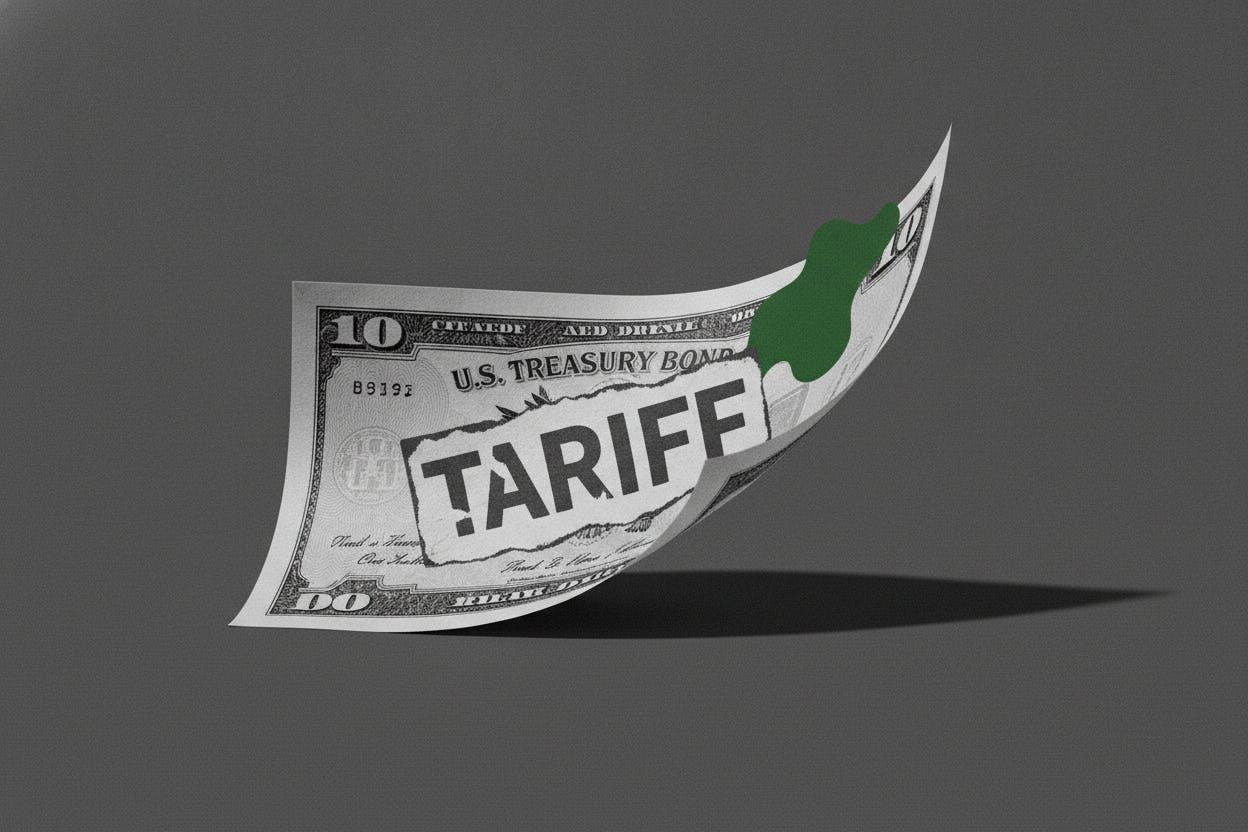
The US dollar remained near a three-week high on Tuesday, supported by a fresh surge in Treasury yields as investors grappled with renewed inflation fears. The 10-year Treasury note yield climbed above 4.7%, a level not seen in months, while the Japanese yen stayed pinned near a 40-year low against the greenback.
The moves come as oil prices pushed back above $100 a barrel, adding to cost pressures across the global economy. At the same time, new US tariffs on a range of imports have stoked worries that inflation, which had been cooling in recent months, could reheat. Together, the two forces are reshaping expectations for interest rates and currency markets.
Why yields are rising
Bond yields move inversely to prices, so a rising yield means investors are selling bonds. That selling often reflects expectations of higher inflation or tighter monetary policy. With oil above $100, energy costs are feeding into everything from transport to manufacturing, raising the price of goods and services. Tariffs add another layer by directly increasing the cost of imported products.
Higher inflation typically pushes central banks to keep interest rates elevated or even raise them further. That prospect makes existing bonds with lower yields less attractive, driving their prices down and yields up. The 10-year yield crossing 4.7% is a significant milestone, as it signals that bond markets are pricing in a longer period of higher rates.
For context, the 10-year yield had fallen below 4% earlier this year as inflation data showed signs of easing. The recent reversal reflects a shift in sentiment, with traders now betting that the Federal Reserve may have to hold rates steady—or even hike again—if price pressures persist.
Dollar strength and the yen's pain
A stronger dollar is a double-edged sword. It makes US exports more expensive abroad, which can hurt American companies that sell overseas. But it also makes imports cheaper for US consumers, which can help offset some inflationary pressure. For the rest of the world, a strong dollar can be problematic, especially for countries that import commodities priced in dollars, like oil.
The Japanese yen has been particularly hard hit. It remains near a 40-year low against the dollar, a level that has prompted speculation about intervention from Japanese authorities. The Bank of Japan has kept interest rates ultra-low while the Fed has raised them aggressively, creating a wide gap that encourages investors to sell yen and buy dollars. The US Treasury has previously urged Japan to raise rates to address the imbalance, as covered in our earlier report US Treasury Urges Japan to Raise Rates as Yen Hits 40-Year Low.
A weaker yen raises import costs for Japan, which relies heavily on energy imports. That can squeeze Japanese households and businesses, adding to economic headwinds in the world's third-largest economy.
Oil above $100: a familiar threat
Oil prices crossing the $100 threshold is a psychological and economic milestone. It recalls the spikes seen after Russia's invasion of Ukraine in 2022, which sent inflation soaring worldwide. While the current rally is driven by different factors—including supply disruptions and geopolitical tensions—the effect on inflation expectations is similar.
Higher oil prices ripple through the economy quickly. They raise the cost of gasoline, heating, and industrial inputs, which in turn pushes up prices for a wide range of consumer goods. For investors, this creates a challenging environment: stocks tend to fall when energy costs rise, as corporate margins get squeezed and consumer spending weakens.
Global markets have already felt the impact. Asian stocks tumbled earlier this week, with South Korea's KOSPI plunging 5% amid AI spending fears and the oil surge, as we reported in South Korea's KOSPI Plunges 5% as AI Spending Fears and $100 Oil Rattle Markets. European markets also dipped, with the FTSE 100 futures sliding as oil above $100 kept inflation and rate worries alive, detailed in FTSE 100 Futures Dip as Oil Above $100 Keeps Inflation and Rate Worries Alive.
What it means for investors
For everyday investors, the combination of higher yields, a strong dollar, and rising oil prices creates a tricky backdrop. Bond yields above 4.7% make fixed-income investments more attractive relative to stocks, potentially drawing money out of equities. Sectors that are sensitive to interest rates, such as technology and real estate, could face additional pressure.
Commodity-linked currencies, like the Canadian dollar, have fared better thanks to the oil rally. As we noted in Canadian Dollar Rises as Oil Surges and Retail Sales Beat Expectations, Canada's currency has gained ground as energy exports benefit from higher prices.
Investors should watch for further moves in Treasury yields and oil prices. If the 10-year yield pushes above 5%, that could trigger a broader sell-off in risk assets. Similarly, if oil stays above $100 for an extended period, it could force central banks to reconsider their rate paths. The key question is whether the current inflation scare is temporary or the start of a longer-term trend.
As always, diversification remains a prudent strategy. A mix of assets—including bonds, commodities, and stocks in defensive sectors—can help cushion portfolios against the kind of volatility that higher oil and tariffs tend to bring.



