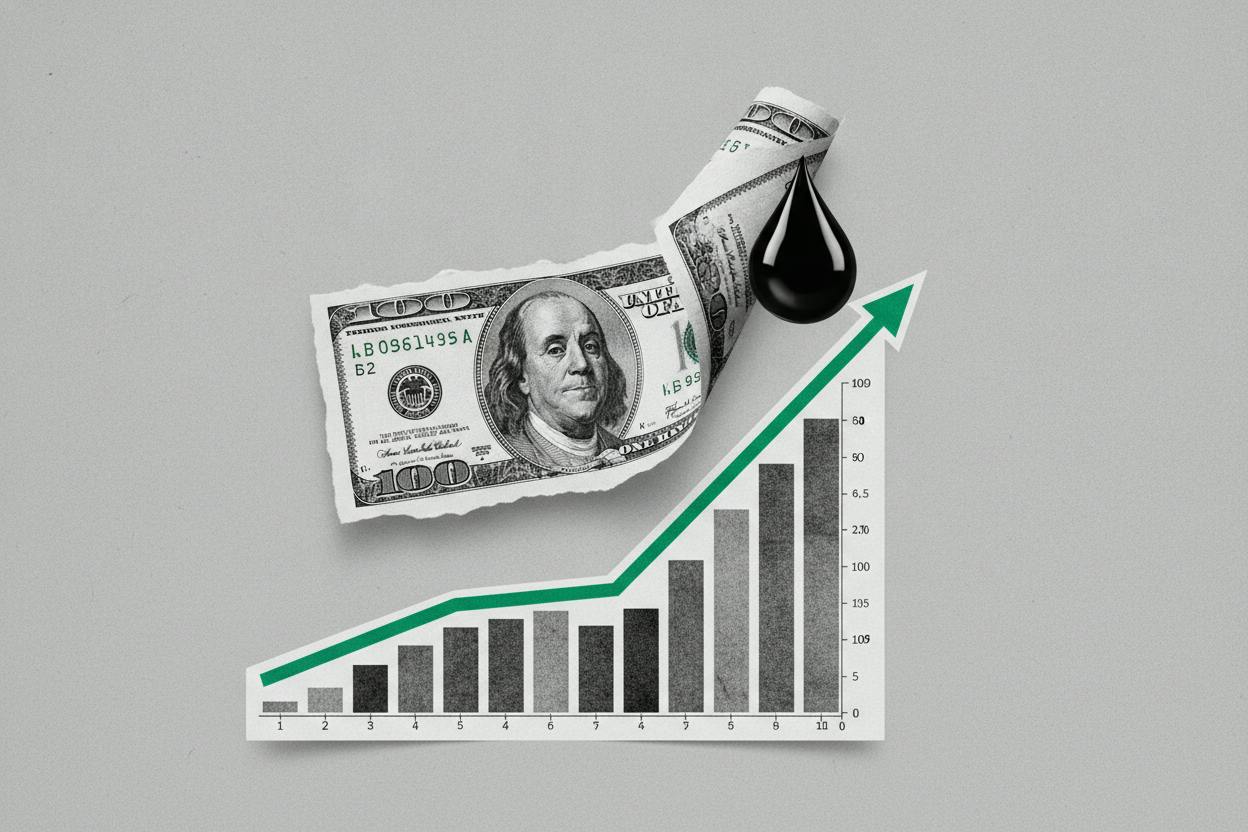
The US dollar edged toward a two-week high on Tuesday, supported by a jump in Treasury yields and oil prices holding near $107 a barrel. The moves come as markets increasingly expect the Federal Reserve to raise interest rates again at its meeting on Wednesday, with futures pricing a 93% chance of a hike.
The 10-year Treasury yield climbed above 5% for the first time in over a decade, a level that has historically signaled stress in bond markets and often ripples through global asset prices. Higher yields make US bonds more attractive to investors, which tends to strengthen the dollar as capital flows into the country.
Oil's role in the inflation picture
Oil is back in the driver's seat for inflation worries. When crude stays high, investors start to think price pressures will cool more slowly, which can keep interest rates elevated for longer. That dynamic is playing out now: oil near $107 a barrel is adding to concerns that the Fed's fight against inflation is not over.
Energy prices are a major input into consumer prices, so sustained strength in oil can push headline inflation higher. That complicates the Fed's task of bringing inflation back to its 2% target without tipping the economy into recession.
The rise in yields and the dollar has already had knock-on effects in other markets. Germany's 10-year yield hit its highest since 2009, reflecting similar inflation concerns in Europe. In Asia, emerging market currencies and stocks have come under pressure as a stronger dollar makes dollar-denominated debt more expensive and saps demand for riskier assets.
What a Fed hike would mean
If the Fed does raise rates on Wednesday, it would mark another step in the central bank's aggressive tightening cycle. The Fed has already lifted rates sharply over the past year to cool the economy and bring down inflation, which was running at multi-decade highs.
Higher rates make borrowing more expensive for consumers and businesses, which can slow spending and investment. For everyday investors, that means higher costs on mortgages, car loans, and credit cards, but also potentially better returns on savings accounts and bonds.
The market's near-certain pricing of a hike suggests investors have largely accepted that the Fed will act. The bigger question is what the Fed signals about the future. If policymakers indicate that more hikes are coming, yields could stay elevated and the dollar could strengthen further. If they hint that this might be the last move for a while, markets could rally.
What it means for investors
For ordinary investors, the combination of high oil, rising yields, and a stronger dollar has several implications. First, bond prices fall when yields rise, so existing bond holdings may lose value. However, new bonds and CDs offer higher yields, which can be attractive for income-focused investors.
Second, a stronger dollar can hurt US multinational companies because it makes their overseas earnings worth less when converted back to dollars. It can also weigh on commodity prices, though oil has been resilient.
Third, higher energy costs can squeeze consumers' budgets, potentially reducing spending in other areas. That could hit retail and consumer discretionary stocks.
Investors will be watching Wednesday's Fed decision and the accompanying press conference for clues about the path of rates. Also on the radar are any signs that oil prices are easing, which could relieve some of the upward pressure on yields and the dollar.
As rate-cut bets fade, the market is adjusting to a reality of higher-for-longer rates. That adjustment is likely to continue until there is clearer evidence that inflation is on a sustained downward path.
For now, the dollar's strength and the jump in yields are the dominant themes in global markets, and they are likely to remain so until the Fed delivers its verdict.