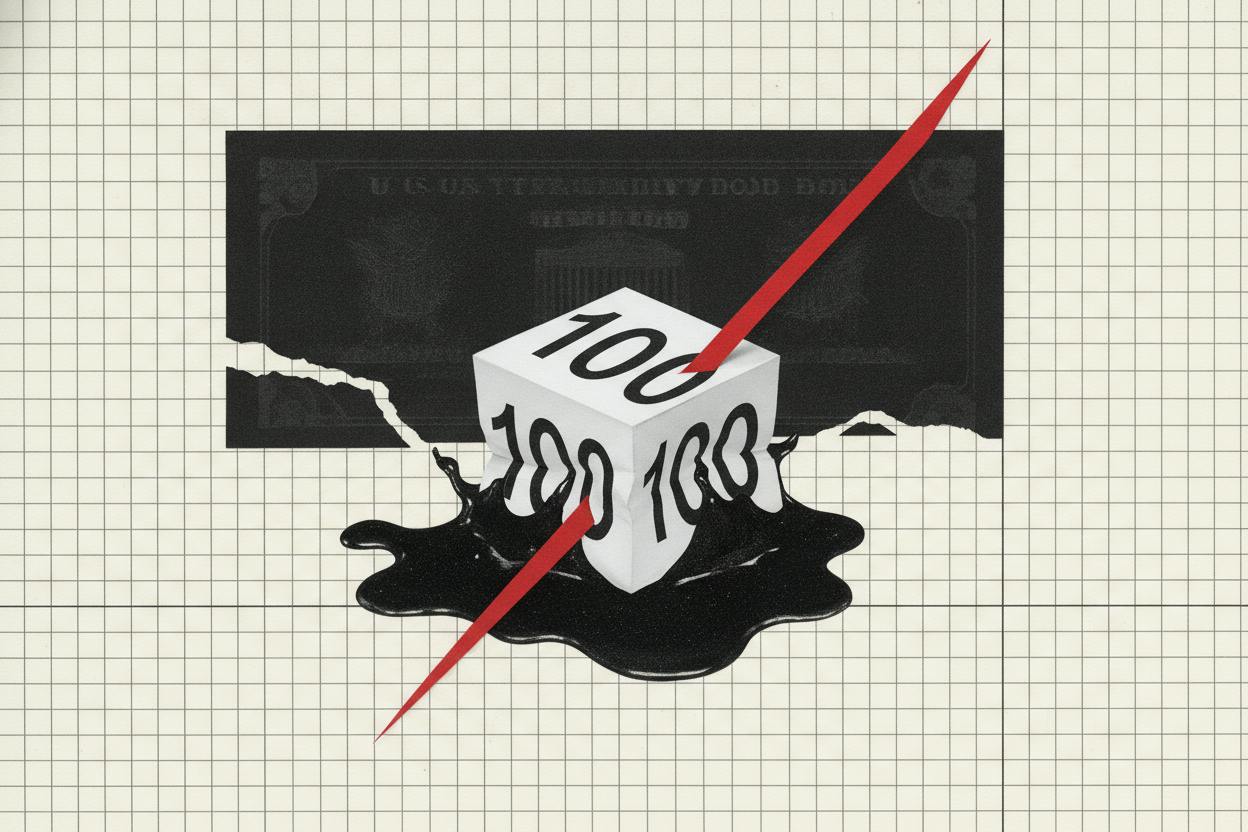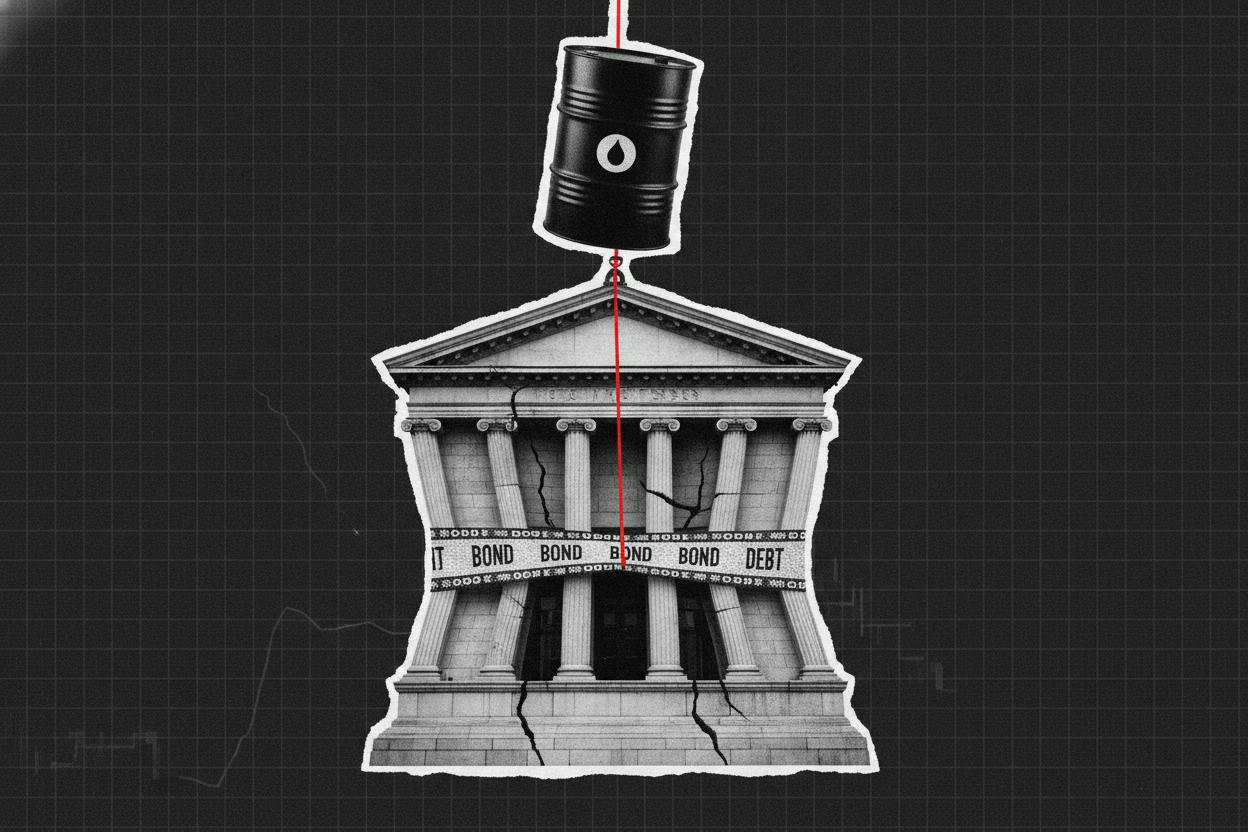
European stocks slipped on Tuesday as higher oil prices and rising bond yields kept investors cautious ahead of the Federal Reserve's policy decision later this week. The pan-European STOXX 600 index fell 0.4%, with bank shares leading the decline, dropping 1.3%.
What's driving the move?
Two forces are weighing on risk appetite. First, oil prices have been pushing higher, reigniting worries about inflation. When energy costs rise, they can feed through to consumer prices, making it harder for central banks to ease monetary policy. Second, bond yields are climbing, which raises the risk that interest rates stay elevated for longer than markets had hoped.
In the United States, the 10-year Treasury yield touched 5% for the first time since October 2023, according to Reuters. That level is a psychological milestone for investors, as it signals that borrowing costs are high and may stay high. Higher yields also compete with stocks for investors' money, because bonds start to offer attractive returns without the same level of risk as equities.
Traders are increasingly leaning toward a quarter-point rate hike from the Fed later this week, rather than a pause. A 25-basis-point increase would take the benchmark rate to a range of 5.25%-5.50%, a level not seen in over two decades. The decision is due on Wednesday, and markets will be watching closely for any signals about the future path of rates.
Why banks are feeling the pinch
Bank shares fell more than the broader market, dropping 1.3%. Banks typically benefit from higher interest rates because they can charge more for loans. However, the current environment is more complicated. Rising yields can also signal economic stress, and if the Fed hikes too aggressively, it could slow growth and hurt loan demand. Additionally, higher long-term yields can squeeze banks' net interest margins if they have to pay more to attract deposits.
The decline in financial stocks is part of a broader pattern seen across global markets. In the US, financial shares also slipped as investors braced for the Fed's decision. The financial sector's recent weakness reflects the uncertainty surrounding the rate outlook.
Oil's role in the inflation story
Oil prices have been a persistent source of upward pressure on inflation. While the brief doesn't specify exact price levels, the trend is clear: energy costs are rising, and that complicates the central bank's job. If inflation remains sticky, the Fed may need to keep rates higher for longer, which would weigh on economic growth and corporate profits.
For everyday investors, this means that the path of interest rates is still the dominant force in markets. When yields rise, bond prices fall, and stocks often struggle, especially in rate-sensitive sectors like technology and real estate. Banks, despite their usual affinity for higher rates, are not immune to the broader risk-off mood.
What it means for investors
The key takeaway is that markets are in a wait-and-see mode. The Fed's decision will likely set the tone for the rest of the week, and possibly the month. If the Fed hikes by 25 basis points as expected, the focus will shift to the accompanying statement and press conference for clues about whether more hikes are coming.
Investors should also keep an eye on the dollar's strength, which has been supported by higher yields. A stronger dollar can hurt multinational companies' earnings and put pressure on emerging markets. Meanwhile, gold prices have been steady, as traders await clarity on the rate path.
For those with diversified portfolios, this is a reminder that asset classes move in tandem with interest rate expectations. Bonds, stocks, and commodities are all reacting to the same macro forces. The best approach is to stay informed and avoid making impulsive moves based on short-term volatility.
As always, this is not financial advice. Every investor's situation is different, and it's important to consider your own goals and risk tolerance before making any decisions.