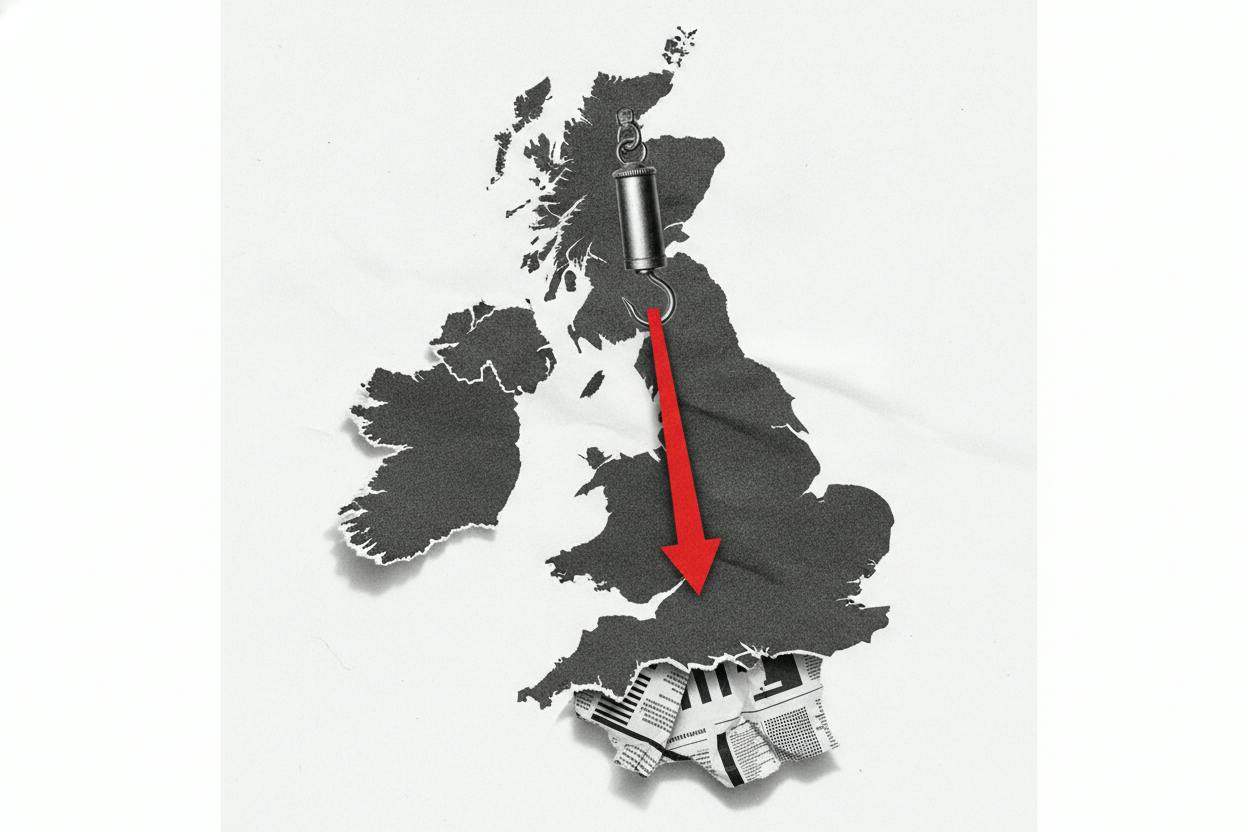
UK stocks looked set for a subdued start on Wednesday, with FTSE 100 futures pointing 0.3% lower after the latest jobs data painted a mixed picture of the labour market. Job vacancies fell to their lowest level in four years, while wage growth held steady at 3.5% in the three months to July.
For everyday investors, the numbers matter because they feed directly into the Bank of England's thinking on interest rates. When the jobs market cools, it usually signals less upward pressure on prices, which can pave the way for rate cuts. But stubborn pay growth can have the opposite effect, keeping inflation sticky and delaying any relief on borrowing costs.
What the data shows
The drop in vacancies suggests employers are pulling back on hiring, a classic sign that the economy is losing momentum. Fewer open roles often mean workers have less bargaining power, which can eventually slow wage increases. However, the fact that pay growth has not budged from 3.5% complicates that picture.
Wages are a key driver of inflation, especially in service industries where labour makes up a large share of costs. If companies are still paying up to attract and retain staff, those costs tend to get passed on to consumers, keeping price pressures alive. That is why the Bank of England is likely to scrutinise this report closely ahead of its next interest rate decision.
Investors have been watching UK economic data for clues about the timing of rate cuts. Lower rates tend to be positive for stocks, as they reduce the appeal of cash and bonds and can boost corporate profits by lowering borrowing costs. But if the central bank holds rates higher for longer, that can weigh on valuations and increase the cost of debt for companies.
What it means for investors
For holders of UK equities, the immediate takeaway is that the market is pricing in a cautious outlook. A 0.3% dip in futures is modest, but it reflects broader uncertainty about the health of the economy and the path of monetary policy.
Investors should also consider the global backdrop. Similar dynamics are playing out in other major economies, where central banks are balancing cooling labour markets against persistent inflation. The higher-for-longer rates narrative has been a recurring theme in markets, and today's UK data reinforces that the debate is far from settled.
For those with diversified portfolios, the key is to focus on the long term rather than reacting to single data points. Jobs reports are volatile and often revised, and one month's figures rarely change the fundamental trajectory of the economy. Still, the trend matters: if vacancies continue to slide and wage growth starts to cool, that could open the door to rate cuts, which would likely be welcomed by equity investors.
On the other hand, if pay growth remains sticky, the Bank of England may feel compelled to keep rates elevated, which could keep a lid on stock market gains. That scenario would also have implications for global demand, as tighter monetary policy in the UK can ripple through trade and investment channels.
Looking ahead
The next major catalyst for UK markets will be the Bank of England's policy meeting, where officials will weigh this jobs report alongside other data on inflation and economic activity. Markets will be listening for any hints about the timing and pace of future rate moves.
For now, the mixed signals from the labour market suggest the central bank is in a holding pattern. That leaves investors to navigate a landscape where the cost of borrowing remains relatively high, and where the outlook for growth is uncertain. As always, diversification and a focus on quality companies with strong balance sheets can help weather such periods.
In the meantime, the FTSE's modest decline is a reminder that markets are sensitive to economic data, and that the path to lower rates is rarely a straight line. Investors would do well to keep an eye on upcoming releases, including inflation figures and retail sales, for further clues about the direction of the UK economy.