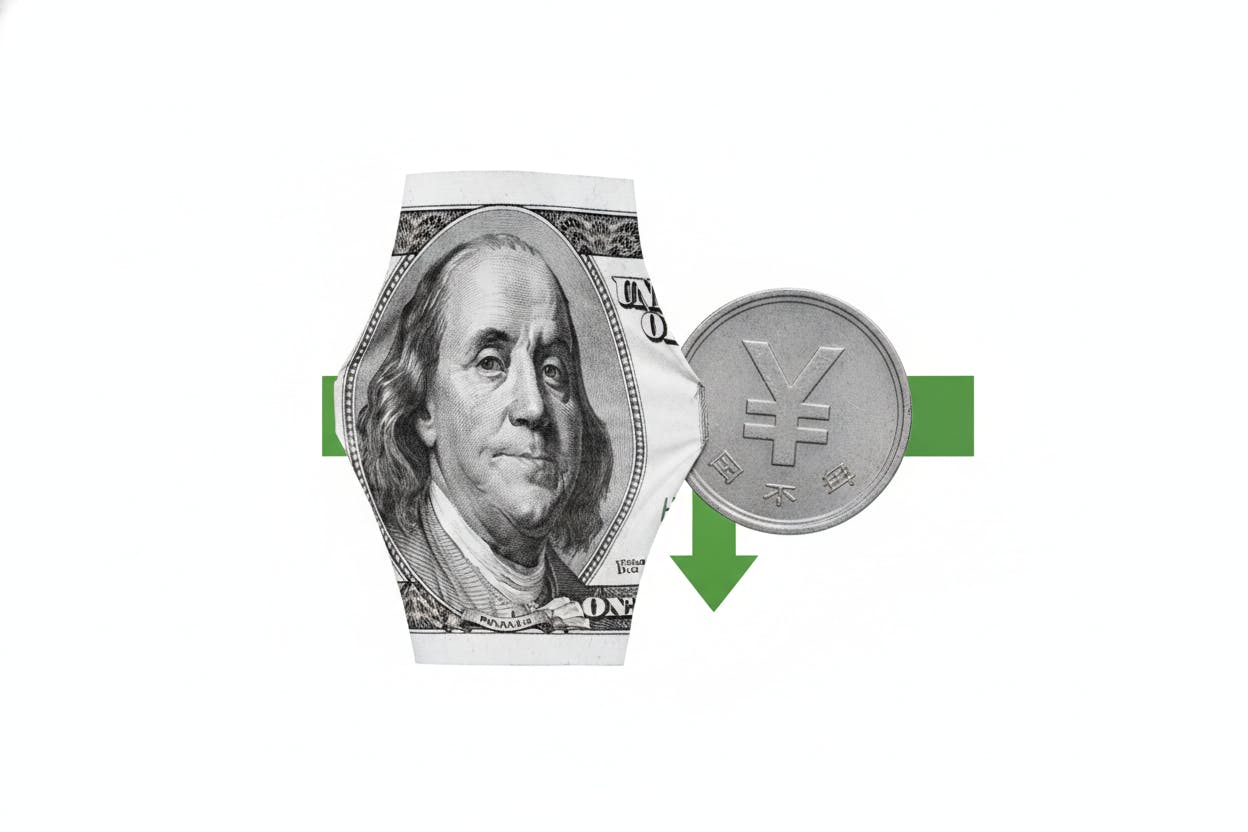
Asian markets breathed a sigh of relief on Wednesday as the US dollar weakened and the yen strengthened, following comments from Federal Reserve Governor Christopher Waller that hinted at a higher bar for another interest rate hike this month. The shift in tone has traders recalibrating their expectations and focusing on the upcoming August payrolls report as the next major catalyst.
What Waller said
Speaking at a Reuters NEXT Newsmaker event, Waller pointed to early signs that inflation pressures are cooling. He indicated that if upcoming data confirm this trend, he would prefer to hold interest rates steady at the Federal Reserve's next meeting. This marks a notable departure from the more hawkish stance that had been priced in by markets just days ago.
Waller's comments suggest that the central bank is not in a hurry to tighten policy further, and that it would require clearer evidence of persistent inflation to justify another hike. This is a significant signal for investors who have been on edge about the path of US interest rates.
Market reaction
The immediate reaction was a pullback in the US dollar, which had been strengthening on expectations of further rate increases. A weaker dollar tends to support Asian currencies and equities, as it makes exports more competitive and reduces the burden of dollar-denominated debt. The yen, in particular, jumped as traders also weighed Bank of Japan rate hike bets.
Futures markets quickly adjusted, with the probability of a rate hike at this month's meeting dropping from roughly a two-in-three chance to closer to a coin flip. This shift in expectations has provided a tailwind for risk assets across the region.
What to watch next
The next big test for markets will be the August payrolls report, due out later this week. This data will give investors a clearer picture of the US labor market's health and could influence the Fed's decision. A strong report could reignite rate hike fears, while a weak one might reinforce the case for holding rates steady.
Investors are also keeping an eye on other economic indicators, including the US trade deficit, which recently jumped to its highest level since March. Such data points add to the complex picture the Fed must navigate.
What it means for investors
For everyday investors, the key takeaway is that the Fed's policy path remains data-dependent. The recent shift in tone suggests that the central bank is willing to pause if inflation continues to cool, which could be positive for stocks and bonds. However, the uncertainty around the payrolls report means volatility could persist.
A weaker dollar can have mixed effects. On one hand, it can boost multinational companies' earnings by making their products cheaper abroad. On the other hand, it can increase the cost of imported goods, potentially feeding into inflation. Investors with international exposure may see currency movements impact their returns.
In the meantime, Asian markets have been buoyed by the dollar's retreat, with currencies like the South Korean won near a 14-month high. This trend could continue if the Fed holds off on further hikes.
As always, it's important to remember that market movements are unpredictable, and short-term shifts in sentiment can change quickly. Staying diversified and keeping a long-term perspective remains a prudent approach for most investors.



