The US trade deficit widened sharply in July, hitting its highest level since March, as a surge in imports of AI-related equipment outweighed a decline in exports. The gap between what America buys from and sells to the rest of the world grew 24% to $88.58 billion, according to data released this week.
The numbers underscore how the artificial-intelligence boom is reshaping trade flows, even as the broader economy shows signs of cooling. For everyday investors, the report offers clues about corporate earnings, inflation, and the health of global demand.
What the numbers show
Imports climbed 2.8% to $399.3 billion in July, while exports fell 2.1% to $310.72 billion. Economists had expected an even larger deficit, so the actual figure came in slightly better than forecasts—but the trend is still notable.
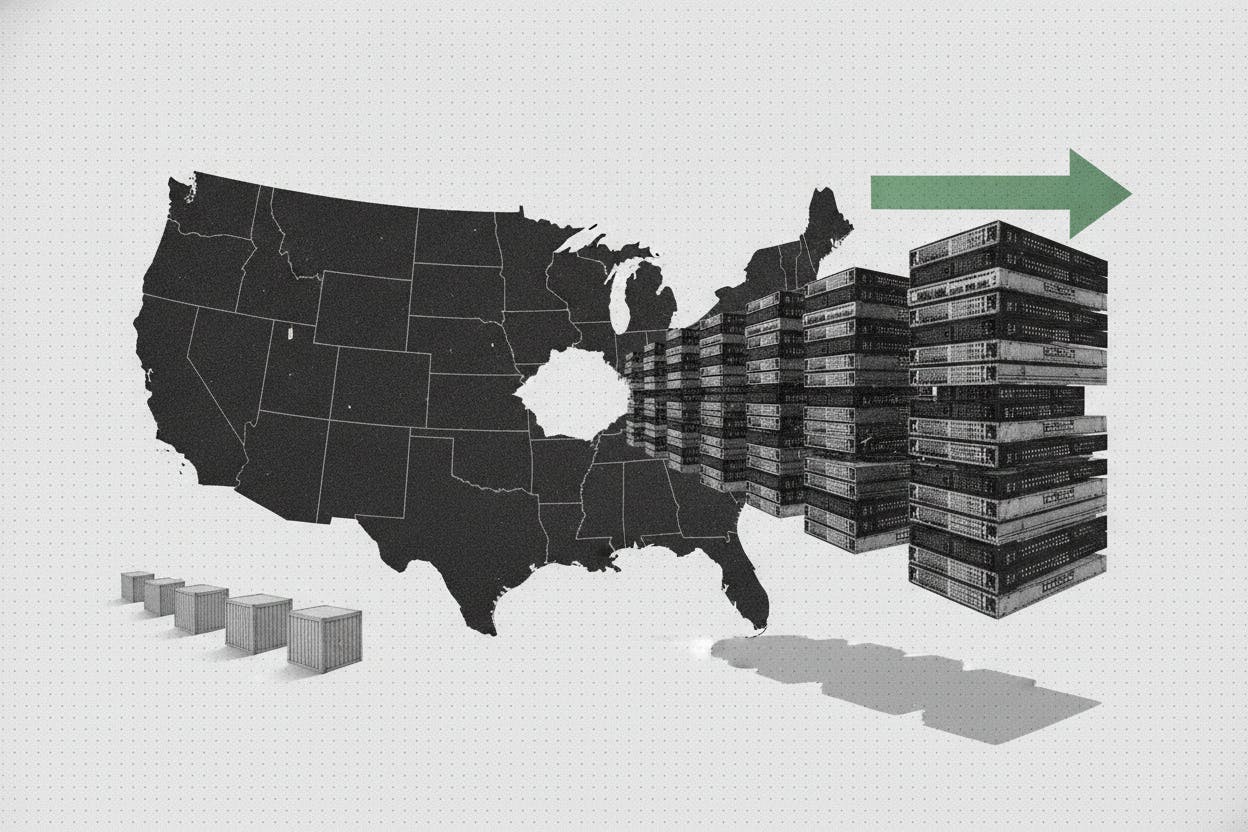
The biggest driver was a $14.4 billion jump in “capital goods” imports, led by computers, accessories, and semiconductors. Oxford Economics, a research firm, linked that surge to ongoing spending on artificial intelligence infrastructure. Companies are importing more chips and hardware to build data centers and AI systems, which shows up in the trade data as higher imports.
At the same time, exports slipped, reflecting softer demand from overseas buyers. That combination—more imports, fewer exports—is what pushed the deficit to its widest since March 2025.
Why the trade gap matters
A trade deficit isn’t inherently bad. The US has run a deficit for decades because American consumers and businesses buy more from abroad than they sell. But the size and direction of the gap can signal broader trends.
When imports rise because companies are investing in AI equipment, that’s often a sign of business confidence and future productivity gains. But when exports fall, it can indicate weaker global growth or a stronger dollar, which makes US goods pricier for foreign buyers.
The recent dollar movements have been in focus for traders, as a weaker dollar can help exports but also feed into import prices. The trade report adds to a busy week of economic data that investors are parsing for clues about the Federal Reserve’s next move.
What it means for investors
For stock investors, the AI-driven import surge is a double-edged sword. On one hand, it points to strong capital spending by tech giants and other firms, which is a positive for companies like Nvidia and other chipmakers. On the other hand, it also means more competition for domestic producers and could weigh on GDP growth, since net exports subtract from growth.
For bond investors, a wider trade deficit can sometimes put downward pressure on the dollar and upward pressure on inflation, as imported goods become more expensive. That could influence the Fed’s interest-rate decisions. However, the deficit was smaller than economists had predicted, which may ease some concerns.
Investors should also keep an eye on how trade policy evolves. Tariffs and trade disputes can quickly change the picture. For example, Canadian small businesses have already felt the impact of US tariffs, and any new restrictions could alter trade flows further.
Looking ahead
The July data is just one month, and trade figures can be volatile. But the trend is clear: AI is driving a surge in imports of high-tech equipment, while exports remain sluggish. Whether that continues depends on global demand, currency moves, and corporate investment plans.
Economists will be watching upcoming reports on jobs, inflation, and retail sales to gauge whether the US economy can sustain its growth. For now, the trade gap is a reminder that the AI boom has real-world consequences beyond the stock market—it’s reshaping how money and goods move across borders.
As always, it’s important to look at the big picture. A single month’s trade deficit doesn’t change the long-term outlook, but it does offer a snapshot of where the economy is headed. For investors, staying informed about these trends can help you make better decisions about your portfolio.