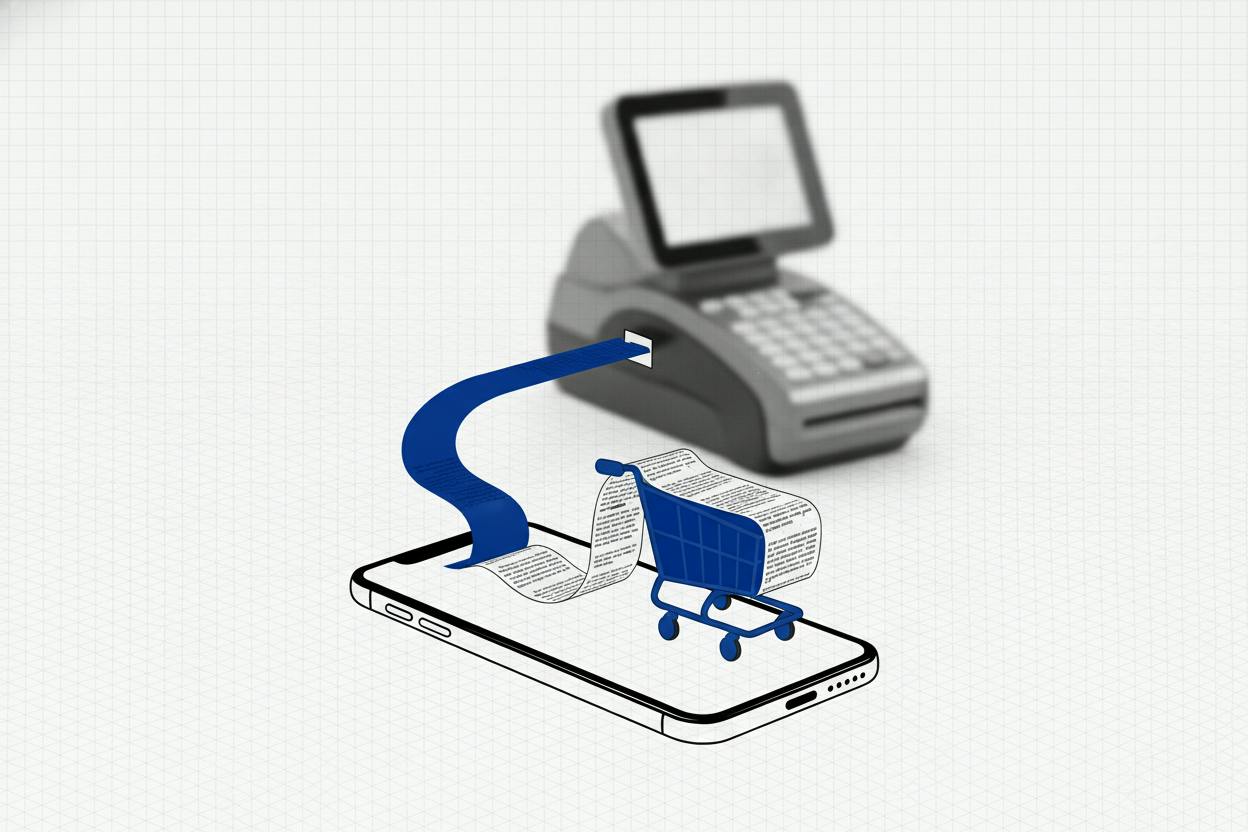
DoorDash is testing a new way to get dinner on the table: ordering by text. The company has launched a beta feature that lets US users search for food, build a cart, and check out entirely through text messages, without ever opening the app. It's a small step on its own, but it's part of a broader push to make ordering feel less like a separate task and more like a natural part of everyday conversation.
From text messages to Slack
The idea is simple: instead of launching an app, browsing menus, and tapping through checkout, you just send a text. DoorDash's AI handles the rest, from finding nearby restaurants to processing payment. The company says it plans to extend this to work chat platforms like Slack, which could turn lunch orders at offices into a routine workflow. Employees send a request, and the platform organizes the order, payment, and delivery in the background.
For everyday investors, this is less about the novelty of texting and more about what it signals: DoorDash is trying to embed itself into more of your daily routines. If ordering becomes as easy as sending a message, the company hopes you'll choose it more often, even when you're not actively thinking about food delivery.
DashOS: the bigger bet on restaurants
While text-to-order grabs headlines, the more significant move for investors is on the restaurant side. DoorDash has launched DashOS, a suite that brings together its marketplace with direct ordering, reservations, loyalty programs, guest management, and marketing tools. The company also says it plans to deepen integrations with point-of-sale systems and so-called middleware providers—software that helps different systems talk to each other. That matters because it's how a vendor moves from being a nice add-on to becoming part of a restaurant's daily operations.
DoorDash is also leaning on SevenRooms, its hospitality software business, and says it expects more than 80,000 restaurants to gain access to additional SevenRooms customer-engagement tools beginning in 2027. That rollout is a long-term bet, but it's a clear sign of where the company is headed.
What it means for investors
For markets, the 80,000-restaurant SevenRooms rollout starting in 2027 is a lock-in bet. By bundling reservations, loyalty, and marketing with delivery, then connecting it all to restaurants' point-of-sale systems, DoorDash can sit closer to the "source of truth" for orders and customer data. That creates switching costs: once a restaurant's workflows and guest relationships run through one stack, swapping providers becomes disruptive.
If more merchants use DoorDash for software and marketing, more of their spending can flow through DoorDash even when delivery demand is flat. Over time, that could make the company's revenue less dependent on pure order growth and more tied to recurring fees and services restaurants treat as essential.
This isn't a new strategy for tech platforms. Many companies try to move from a single service to a broader ecosystem, hoping that once customers rely on multiple tools, they're less likely to leave. For DoorDash, the delivery app is the entry point; DashOS and SevenRooms are the hooks that keep restaurants engaged.
Investors will likely watch how quickly restaurants adopt these tools and whether they actually increase spending per merchant. The company's recent expansion, including plans for a new support hub in Hyderabad with 3,000 hires, shows it's investing heavily in growth. But the real test will be whether these software bets translate into steady, recurring revenue that can cushion the ups and downs of delivery demand.
For now, the text-ordering beta is a consumer-facing experiment, but the underlying strategy is clear: DoorDash wants to be more than a delivery app. It wants to be the operating system for restaurants, and the place where you order dinner, whether you're on your phone, at your desk, or just sending a quick message.