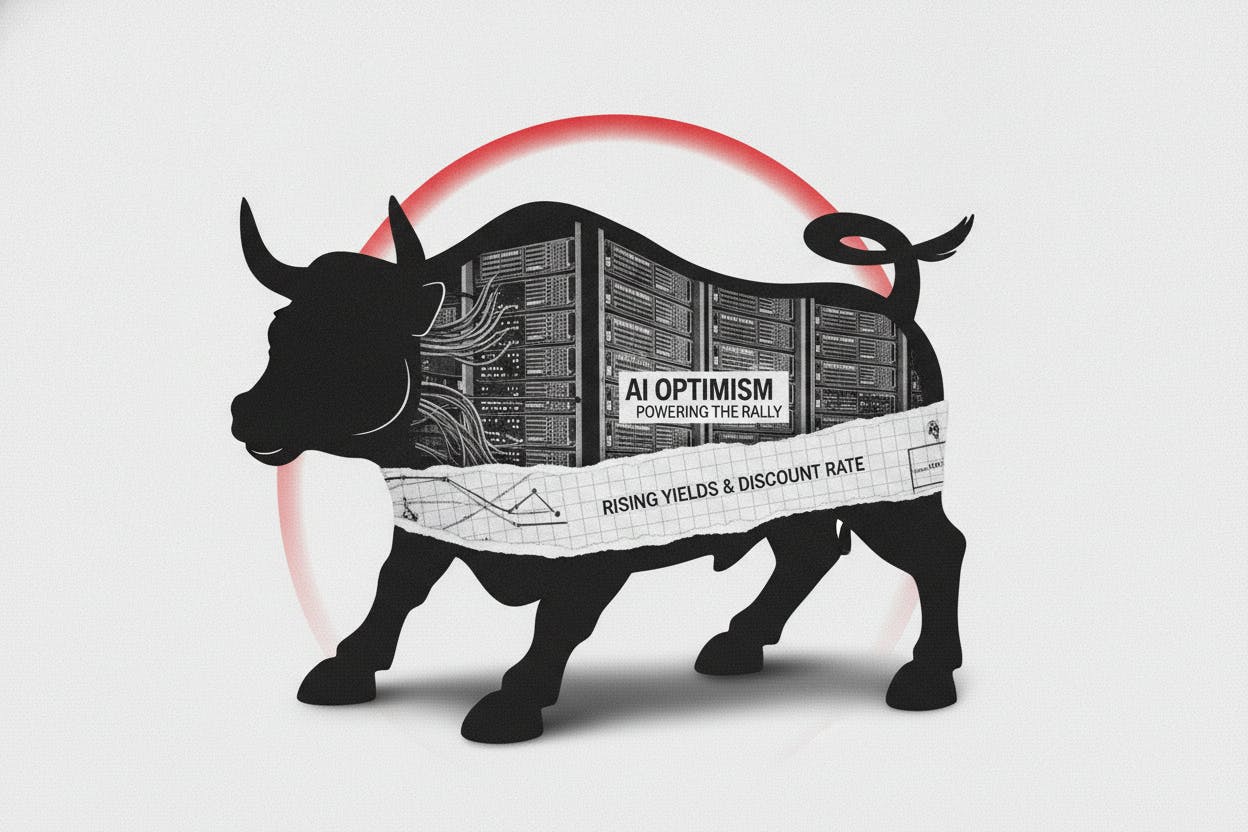
U.S. stocks pushed higher on [Day], with the Dow Jones Industrial Average climbing 246 points, as renewed optimism about artificial intelligence outweighed concerns about escalating tensions between the United States and Iran. The move came even as traders adjusted their expectations for Federal Reserve policy, with the probability of a rate hike in September rising to 66.2%, according to the CME FedWatch tool.
AI optimism fuels the rally
The latest gains were led by technology and AI-related stocks, as investors continued to bet on the transformative potential of artificial intelligence. Recent earnings reports from major tech companies have reinforced the narrative that AI is driving strong demand for chips, cloud services, and data infrastructure. This enthusiasm has helped offset worries about geopolitical instability and its potential impact on global markets.
For everyday investors, the AI rally underscores the importance of understanding how technological shifts can influence stock prices. Companies that are seen as leaders in AI development often see their valuations rise quickly, but that also means they can be more volatile if sentiment shifts. Diversification remains a key strategy for managing such risks.
Rate hike odds climb
Meanwhile, traders are increasingly pricing in the possibility that the Federal Reserve will raise interest rates at its September meeting. The CME FedWatch tool, which tracks market expectations for Fed policy, now shows a 66.2% probability of a hike. That is a notable shift from earlier in the month, when the odds were lower.
Higher interest rates typically make borrowing more expensive for consumers and businesses, which can slow economic growth. For investors, rising rates often put pressure on stocks, especially those in growth sectors like technology, because future earnings become less valuable when discounted at higher rates. However, the market's ability to climb despite these expectations suggests that investors are focusing on the positive earnings outlook driven by AI.
Geopolitical tensions and oil prices
Renewed tensions between the U.S. and Iran have added a layer of uncertainty. The situation has raised concerns about potential disruptions to oil supplies, which could push energy prices higher. Oil prices have already been climbing, and a sustained increase could feed into inflation, complicating the Fed's decision-making.
Higher oil prices can have a mixed effect on the stock market. Energy companies tend to benefit, but transportation, airlines, and other fuel-dependent sectors may see their margins squeezed. For consumers, higher gasoline and heating costs can reduce disposable income, which could weigh on spending.
Investors are also watching how these tensions affect global markets. For example, Saudi stocks slipped as the strikes put oil shipping at risk, and oil and yields climbed on the tensions, leaving stock futures flat in earlier trading. The situation remains fluid, and any escalation could quickly change the market's mood.
What it means for investors
For the average investor, the key takeaway is that markets are being pulled in different directions. On one hand, the AI boom is providing a powerful tailwind for stocks. On the other, geopolitical risks and the prospect of higher rates are creating headwinds.
It's important to remember that market moves like this are normal. The Dow's 246-point gain is a relatively modest move in percentage terms, and it reflects the ongoing tug-of-war between optimism and caution. Rather than reacting to every headline, investors should focus on their long-term goals and maintain a diversified portfolio that can weather different scenarios.
As the situation develops, watch for signals from the Fed, especially any commentary from officials about the path of rates. Also keep an eye on oil prices and any news from the Middle East. These factors are likely to influence market direction in the coming weeks.
For more context on how these dynamics are playing out globally, see our coverage of the dollar holding firm as traders await jobs and factory data, and European stocks stalling as oil tops $95 and German yields hit a 2011 high.



