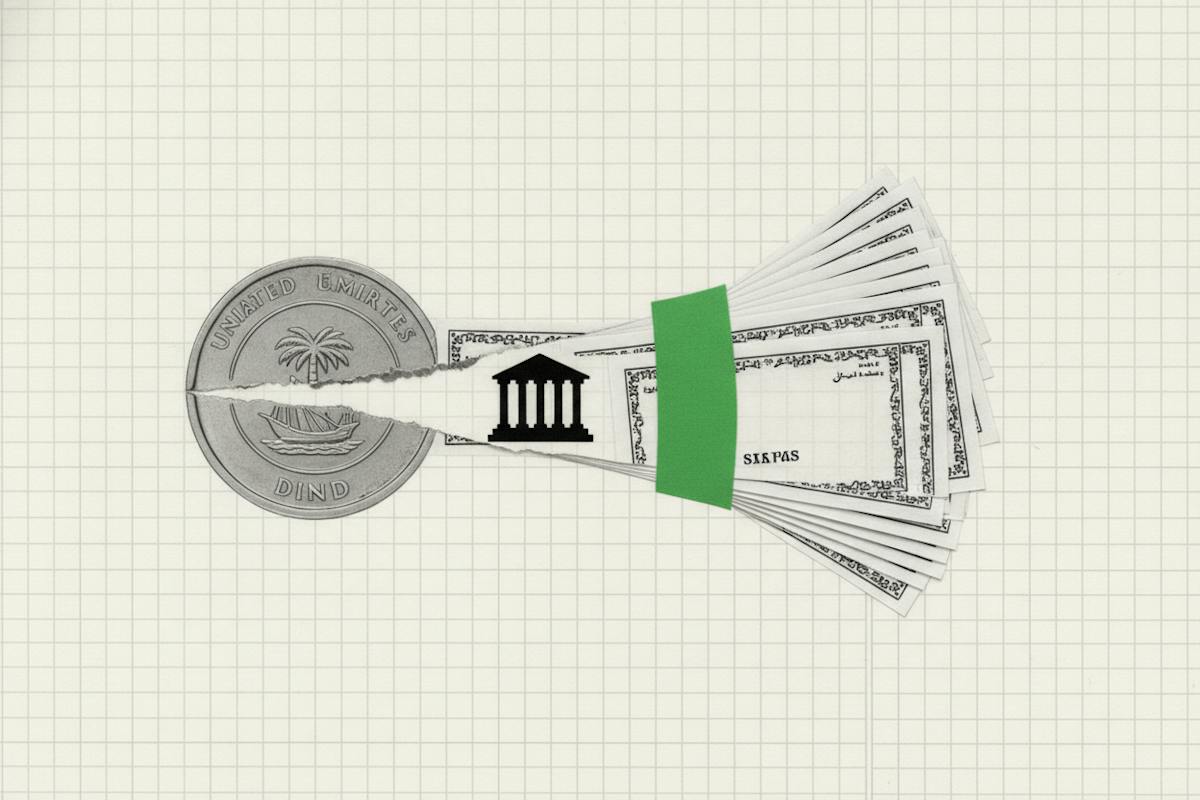
Dubai Islamic Bank (DIB) has announced plans to acquire Emirates Islamic from Emirates NBD, a move that would create one of the largest Islamic lenders in the region with roughly $159 billion in combined assets. The deal, which is being structured as an all-stock transaction, marks a rare consolidation in the UAE banking sector.
What's happening
Under the terms of the agreement, DIB will issue 3.48 billion new shares, representing 32.50% of the enlarged share capital, priced at 1 dirham each, to Emirates NBD. This means Emirates NBD, which currently fully owns Emirates Islamic, will become a significant shareholder in DIB rather than receiving cash for the sale.
The logic behind the merger is straightforward. DIB, which has a strong corporate-banking franchise, will gain Emirates Islamic's retail reach and deposit base. Emirates Islamic, on the other hand, will benefit from being part of a larger, more diversified institution. For Emirates NBD, the deal allows it to exit a fully owned subsidiary while retaining exposure to the Islamic banking sector through its new stake in DIB.
Why this merger matters
Bank mergers in the UAE are uncommon, especially among Islamic lenders. The sector has traditionally been fragmented, with several smaller players competing for market share. This deal could signal a wave of consolidation as banks seek scale to invest in technology and compete with larger regional and international rivals.
Islamic banking operates under Sharia law, which prohibits charging interest and requires investments to be asset-backed. The combined entity would have significant scale, potentially allowing it to invest more in digital banking and expand its product offerings. For customers, the merger could mean a broader range of services, though integration risks are always a concern in such deals.
What it means for investors
For shareholders of DIB, the deal is dilutive in the short term, as the bank will issue new shares. However, the long-term benefits of scale and cost synergies could outweigh the initial dilution. Emirates NBD shareholders will see their bank become a major stakeholder in DIB, giving them indirect exposure to the Islamic banking market without the operational burden of running a separate subsidiary.
Investors should watch for regulatory approvals and the timeline for completion. Such deals often face scrutiny from central banks and competition authorities. The integration process, including merging IT systems and branch networks, can also be complex and may take time to deliver the expected cost savings.
In the broader context, this merger reflects a trend of consolidation in the Gulf banking sector, as institutions look to strengthen their balance sheets and compete more effectively. For everyday investors, it's a reminder that bank mergers can create opportunities but also carry risks, particularly around execution and cultural integration.
As with any major corporate action, the details matter. Investors should review the terms of the deal, including the exchange ratio and any potential impact on dividends or earnings per share. The deal is expected to close in the coming months, subject to shareholder and regulatory approvals.
For now, the merger is a positive sign for the UAE banking sector, showing that institutions are willing to make bold moves to position themselves for future growth. Whether it delivers on its promise will depend on how well the two banks can combine their strengths.