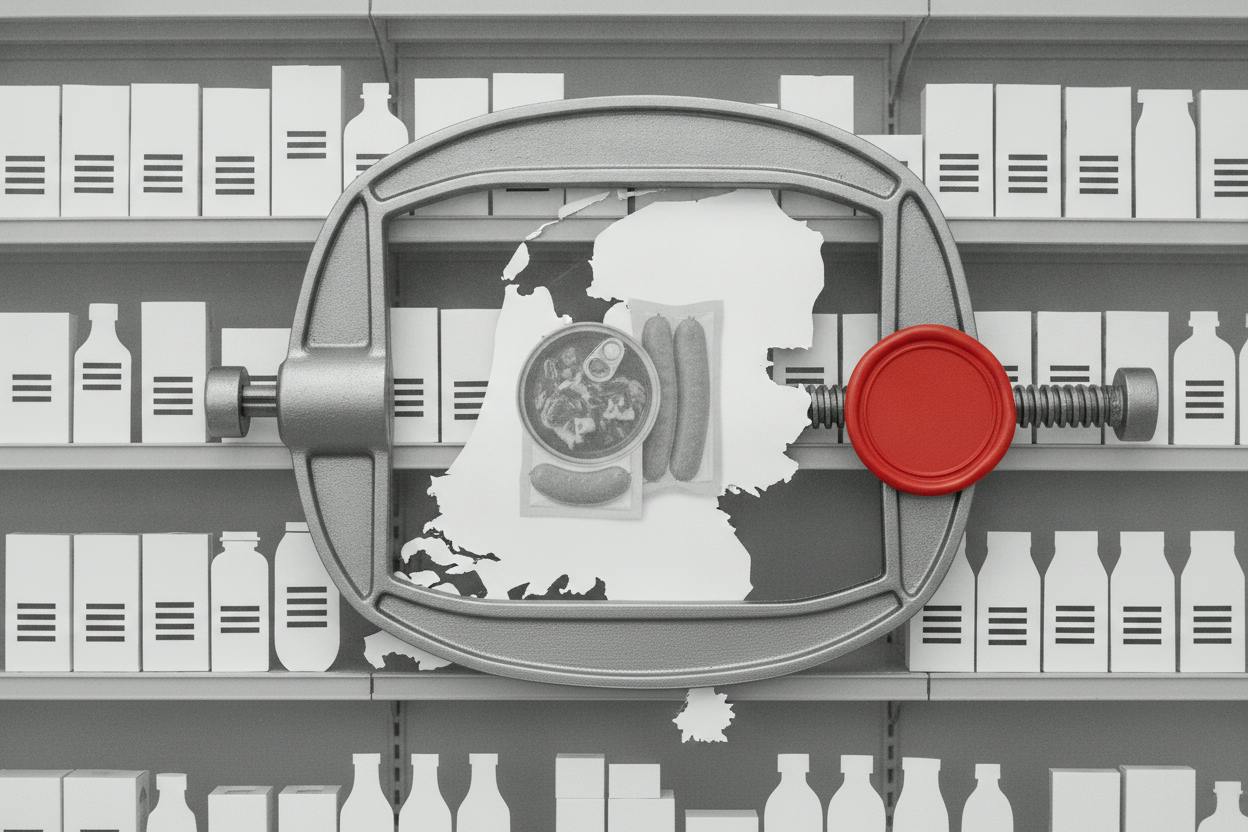
Dutch competition authorities have formally blocked meat producer Zwanenberg Food Group from buying Unilever's Unox brand, a deal that would have combined two of the country's best-known names in sausages, smoked meats, and ready-to-eat soups. The regulator, the Authority for Consumers and Markets (ACM), said the acquisition could leave Dutch shoppers paying more for everyday staples.
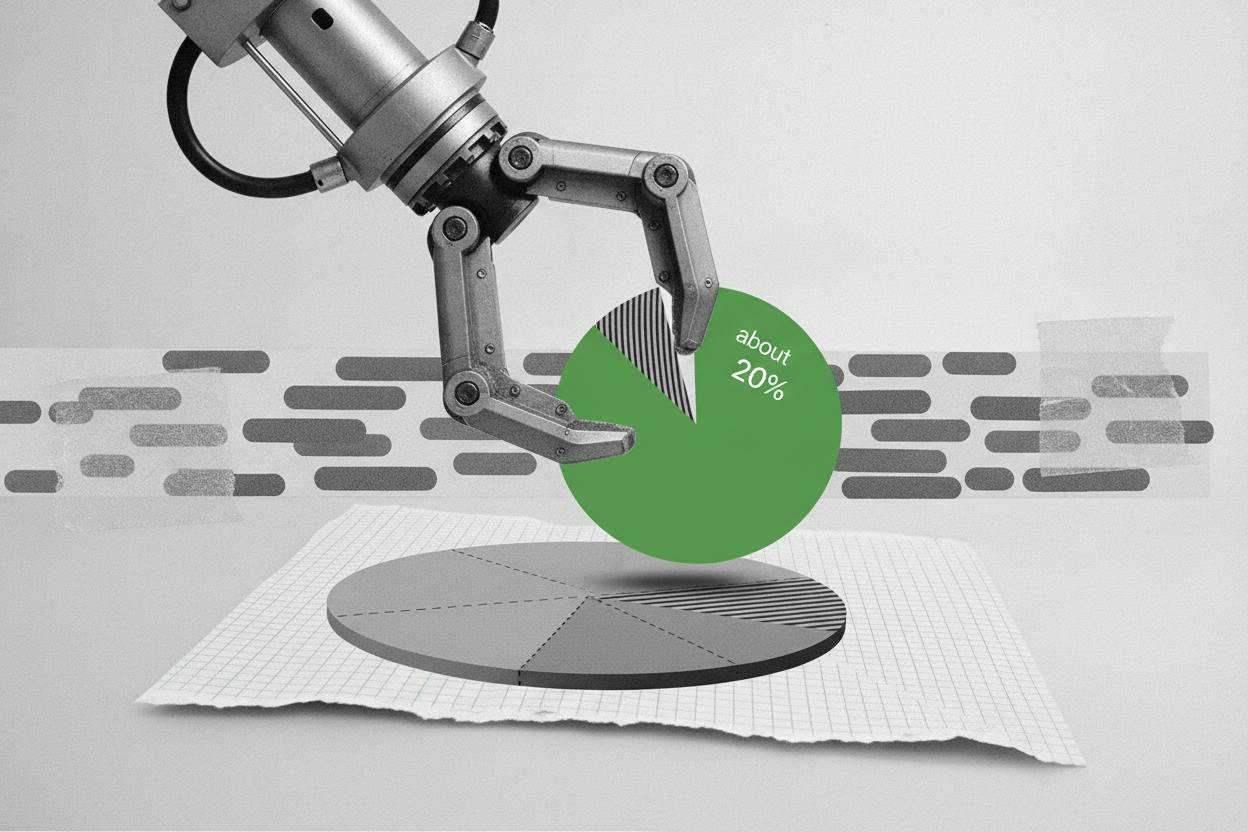
According to the ACM, the merger would have handed Zwanenberg a 60% to 85% share of the Dutch market for smoked and boiled meats and ready-to-eat soups. With that level of shelf power, the watchdog argued, supermarkets and consumers would have few genuine alternatives, making it easier for the combined company to push through price increases.
Zwanenberg offered remedies to address the concerns, but the ACM said those proposals did not resolve the core problem. The rejection is a clear signal that when market share reaches such high levels, regulators are unlikely to accept small behavioural promises—like commitments on pricing or supply—and instead demand bigger structural changes, such as selling off brands or production assets.
What the decision means for the Dutch market
Unox is a household name in the Netherlands, known for its canned soups and smoked sausages, often associated with winter comfort food. Zwanenberg, a family-owned company, also has a strong presence in processed meats. Combining the two would have created a dominant player in categories that many Dutch families buy weekly.
The ACM's decision is a reminder that competition law is not just about big tech or global mergers. Even mid-sized deals in everyday grocery categories can face intense scrutiny if they risk reducing choice for consumers. For shoppers, the immediate effect is that the two brands will remain separate, preserving the current level of competition on supermarket shelves.
For Zwanenberg, the block is a setback. The company had likely hoped to expand its portfolio and gain economies of scale. Now it must decide whether to appeal or walk away. The ACM's stance suggests that any future attempt would need to involve a far more substantial divestment—perhaps selling off a major brand or factory—to satisfy the regulator.
Unilever's bigger picture
For Unilever, the blocked deal is another reminder that food transactions can get stuck even as the company reshapes itself. Unilever has been streamlining its portfolio, having already sold its tea and spreads businesses, and it plans to spin off its ice cream unit. Under CEO Fernando Fernandez, the company is steering more toward beauty and wellbeing, areas with higher growth and margins.
The Dutch decision could also have implications beyond the Netherlands. Unilever has announced plans to hive off its food division and merge it with McCormick, the US spices company, into a $65 billion food business. That deal is already under competition scrutiny in the UK. If British regulators take a similarly tough line, the path to approval could involve selling off brands or categories, shrinking the scope of the headline plan and increasing execution risk.
Investors have been watching Unilever's strategic moves closely, especially after the company's third-quarter growth showed signs of cooling but still managed to beat forecasts. The company's ability to execute large transactions without getting bogged down in regulatory hurdles will be key to its transformation story.
What it means for investors
The ACM's prohibition raises the bar for anyone trying to do consolidation in packaged food. It signals that late-stage concessions may not be enough once a deal looks like it creates local pricing power. For companies planning transactions, that can mean longer timetables, higher legal and advisory costs, and a greater chance that the final deal needs carve-outs that reduce the expected benefits.
For everyday investors, the takeaway is that regulatory risk is a real factor in any merger or acquisition. Even if a deal makes strategic sense, antitrust authorities can block it or force changes that alter the economics. This is particularly true in markets where a few players control a large share of a category.
The Unilever-McCormick deal is the one to watch. If UK regulators follow the Dutch example, the combined food business might have to shed some of its most valuable brands to gain approval. That would reduce the synergies and growth potential that made the deal attractive in the first place.
For now, the Dutch decision is a clear sign that competition authorities are willing to take a hard line on food deals that could hurt consumers' wallets. It's a reminder that in the world of investing, regulatory approval is never a foregone conclusion.