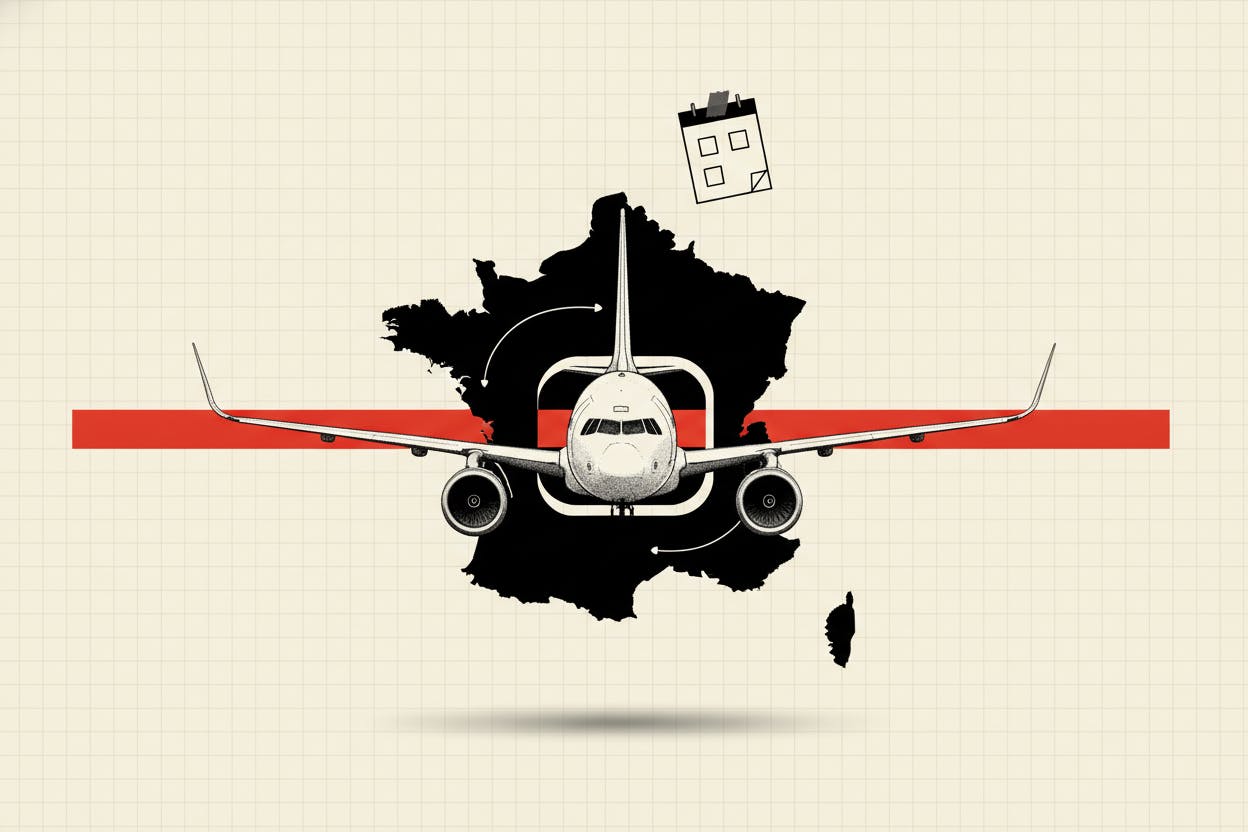
EasyJet's French cabin crew have announced a two-day strike on August 15-16, escalating a dispute over working conditions. The walkout comes at a critical time for the airline, as private equity firm Apollo's £5.70 billion takeover bid moves forward.
What's behind the strike?
Unions representing EasyJet's cabin crew in France are demanding improvements to working conditions. While the specific grievances aren't detailed in the announcement, such disputes typically center on pay, rostering, and workload—issues that have become more pressing as airlines ramp up operations after the pandemic.
The timing is notable: August 15 is a public holiday in France (Assumption Day), making it a peak travel period. A strike on these dates could disrupt flights for thousands of passengers, potentially affecting EasyJet's reputation and finances.
The Apollo takeover context
The strike adds a layer of complexity to Apollo's proposed £5.70 billion acquisition of EasyJet. The deal, which was announced earlier, is still in progress. For context, Apollo Global Management is a major US private equity firm with a history of investing in airlines and travel-related businesses.
Industrial action during a takeover can influence the deal's outcome. Investors will be watching whether the strike escalates or is resolved quickly, as prolonged disruption could affect EasyJet's valuation and the attractiveness of the deal to Apollo.
What does this mean for investors?
For everyday investors, the key takeaway is that labor disputes can create short-term volatility in airline stocks. Strikes often lead to flight cancellations, compensation costs, and reputational damage, all of which can weigh on earnings.
However, it's important to note that EasyJet operates across multiple countries, and a two-day strike in France is unlikely to have a lasting impact on the company's overall financial health, unless it spreads or becomes prolonged.
The Apollo takeover bid is the bigger story. If completed, it would take EasyJet private, meaning public shareholders would receive £5.70 billion in cash. The strike could potentially delay the deal or lead to adjustments in the offer price, though such outcomes are speculative at this stage.
Broader context: airline labor disputes
EasyJet is not alone in facing labor unrest. Across Europe, airlines have seen a wave of strikes in recent years as employees seek higher pay and better conditions, especially after the industry's post-pandemic recovery. For example, Hyundai Motor faces a four-day partial strike over pay, highlighting that labor tensions are widespread.
In the airline sector, strikes are often timed to maximize impact, such as during holidays or peak travel seasons. This can put pressure on management to negotiate, but it also risks alienating customers.
What to watch next
Investors should monitor several things in the coming weeks:
- Whether the strike goes ahead as planned or is called off after last-minute negotiations.
- Any updates from Apollo regarding the takeover timeline or conditions.
- EasyJet's operational response, including flight cancellations and passenger compensation.
- Broader market sentiment toward airlines, which can be affected by oil price movements and economic data.
The strike is a reminder that labor issues can be a risk factor for airline investors. While EasyJet's fundamentals may be solid, such events can create uncertainty.
Takeaway
The French cabin crew strike is a short-term headache for EasyJet, but the bigger picture is the Apollo takeover. For investors, the key is to stay informed about how the strike and the deal evolve. As with any investment, diversification and a long-term perspective remain important.
For more on the M&A landscape, see our coverage of Apollo's easyJet bid and other deals. And for context on how strikes affect other companies, check out Port Hedland's strike impact.