easyJet's planned £5.7 billion takeover by private equity firm Apollo is running into opposition from labor unions across Europe, even as the airline insists it can complete the deal by the end of the first quarter of 2027. In a scheme document published Thursday, easyJet disclosed that unions have raised concerns about jobs and working conditions after the buyout, according to Reuters.
The European Works Council, a cross-company employee group that represents staff across the region, has formally opposed the transaction. It flagged that workers are being offered only 12 months of commitments that are not legally binding — a short window that unions say leaves employees exposed once the deal closes.
Why the ownership test is the real hurdle
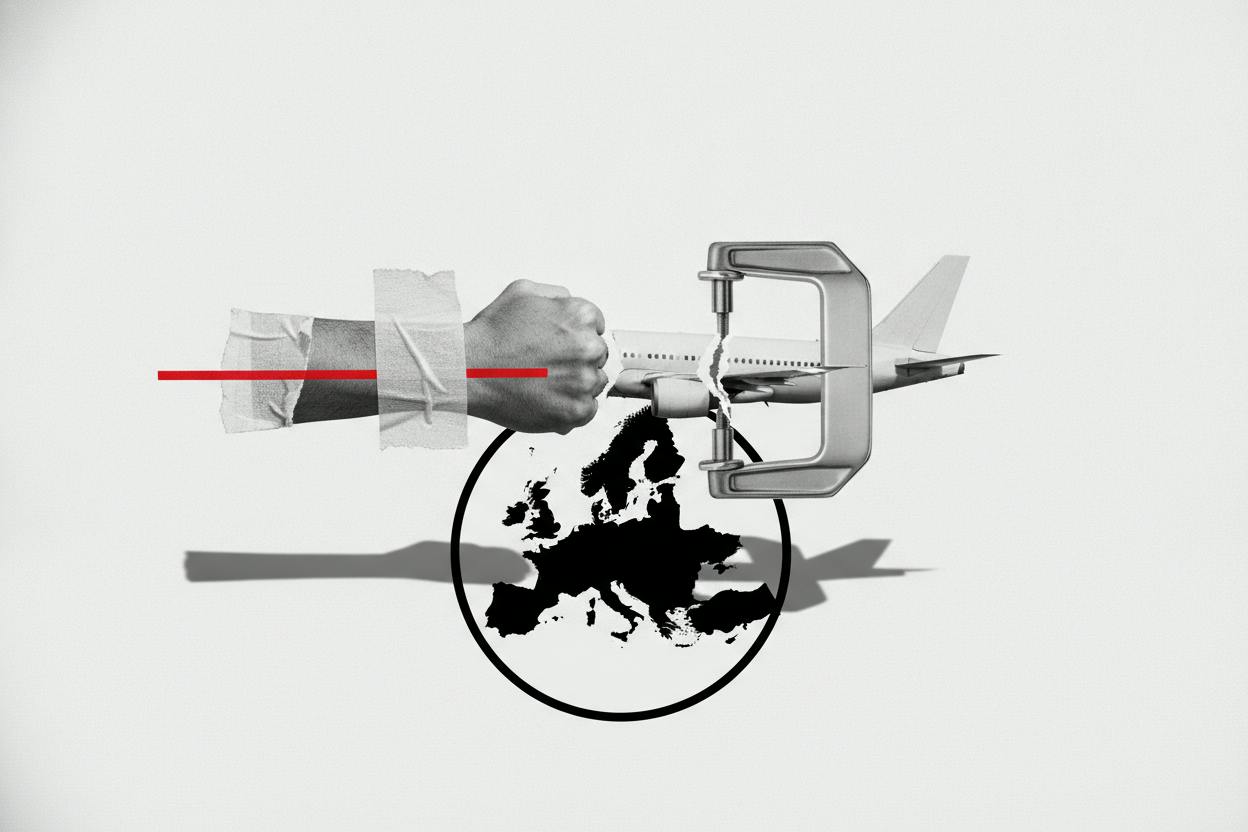
Beyond the union friction, easyJet and Apollo must satisfy a core aviation rule: EU-based airlines must be majority owned and effectively controlled by European interests. Regulators don't just look at headline shareholding — they examine who really holds voting power and influence over major strategic decisions. Reuters described this ownership-and-control test as the central hurdle for the deal.
If regulators see ambiguity about who ultimately calls the shots, the typical remedy is not a minor adjustment. It usually means redesigning governance and voting rights — changing board control, ring-fencing certain decisions, or restructuring how shares are held. Those fixes can add conditions, stretch timelines, and keep uncertainty hanging over the stock while the structure is negotiated.
This is not a typical merger where a shareholder "yes" vote settles everything. For a regulated airline, the license to fly depends on meeting EU ownership rules, which makes deal risk feel more like all-or-nothing. That dynamic is familiar to investors who follow European carriers, where ownership caps have long shaped cross-border dealmaking.
What happens next
easyJet plans shareholder and court meetings in the week starting November 9 to approve the transaction and begin a court-supervised process. That process could ultimately delist the airline after more than 25 years on the London market — a significant milestone for a carrier that has been a fixture of UK equity indices.
The union consultation adds another layer of friction. Non-binding employee protections can be reopened during a long approvals process, raising the odds of extra concessions or delays. For a deal with a target close in early 2027, that is a long runway for labor groups to press their case.
Private-equity buyouts are increasingly testing the edges of EU ownership rules, so whatever structure passes for easyJet could become a template — or a cautionary tale — for future deals in Europe's tightly regulated airline sector. That precedent value matters for investors in other carriers that might attract private capital.
What it means for investors
For everyday investors, the key takeaway is that this deal carries more than the usual merger risk. The combination of a regulatory ownership test and union resistance means the path to completion is not a straight line. Shareholders who vote in November are effectively weighing a fixed offer against the possibility of delays, conditions, or a restructured deal.
If the ownership-and-control question is resolved with governance changes, the deal can still proceed — but the terms may shift. If regulators remain unconvinced, the remedy is structural, not cosmetic, and that can push timelines out further. Either way, the shares are likely to trade with a deal-risk discount until the structure is clear.
It's also worth watching how this plays out against a broader European backdrop. Recent market sessions have shown how sensitive European equities are to regulatory and macroeconomic headlines, from ASML earnings lifting European stocks to US inflation surprises pushing bond yields higher. Deal-specific stories like easyJet's can move individual names even when the wider market is calm.
Labor disputes are also a recurring theme in European dealmaking. Just recently, union pressure at Micron showed how worker opposition can complicate corporate plans. For easyJet, the European Works Council's stance is a signal that employee groups intend to be a factor, not a footnote.
Investors should watch three things from here: the outcome of the November shareholder and court meetings, any regulatory guidance on the ownership-and-control test, and whether unions secure binding commitments rather than the current 12-month, non-binding offer. Each of those could change the deal's odds and timing.
For now, the £5.7 billion question is whether Apollo can satisfy regulators and workers at the same time — a balancing act that will define not just easyJet's future, but how similar deals are structured across Europe's airline industry.