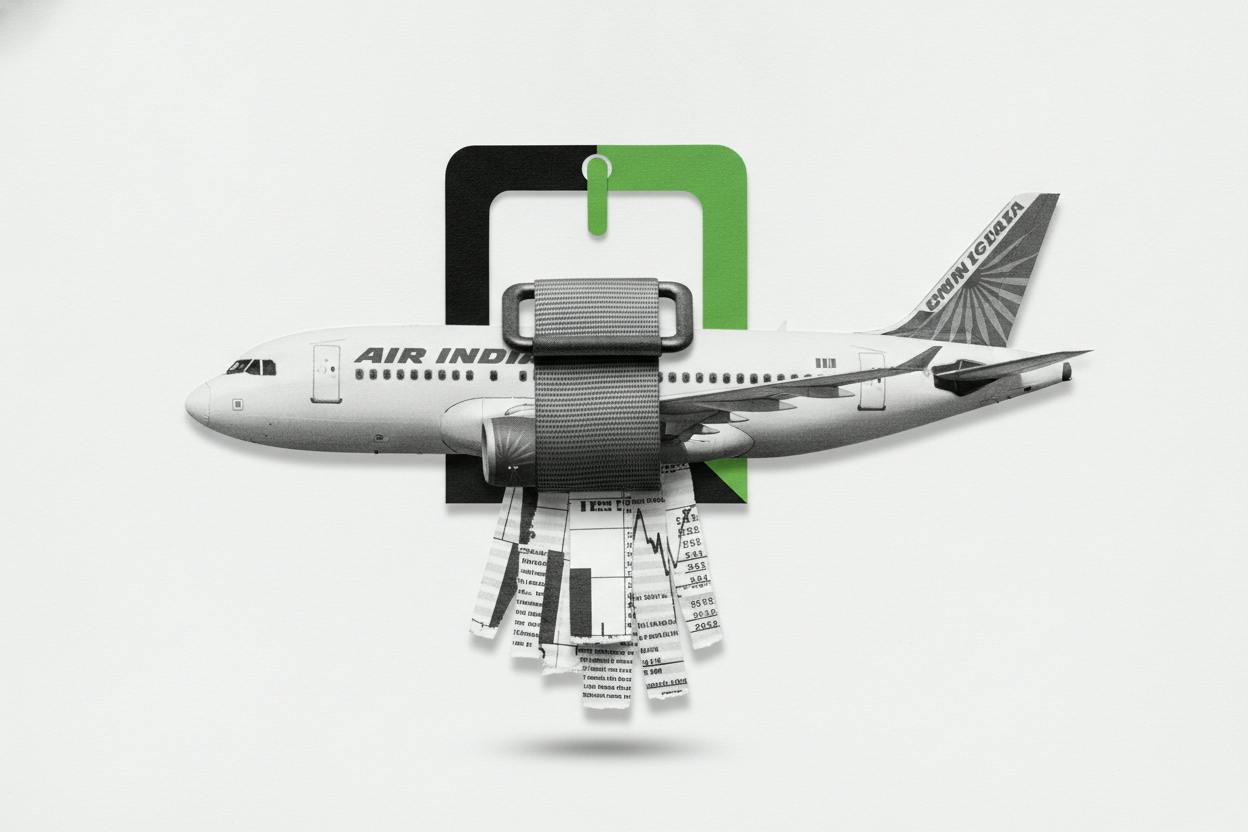
Air India is moving to rein in costs, with CEO Tewolde Gebremariam telling staff that a new cross-company team will hunt for savings across the business. The push comes as the carrier grapples with operational disruptions and a loss of more than $2 billion in the fiscal year ended March, according to a staff memo seen by Reuters.
In the memo, Gebremariam said the airline is narrowing who can approve spending and has set up a dedicated group to identify cuts. He is also launching an employee program that rewards ideas to reduce costs or increase revenue. The measures signal a more disciplined approach to spending as Air India tries to stabilize its finances.
Why the squeeze is on
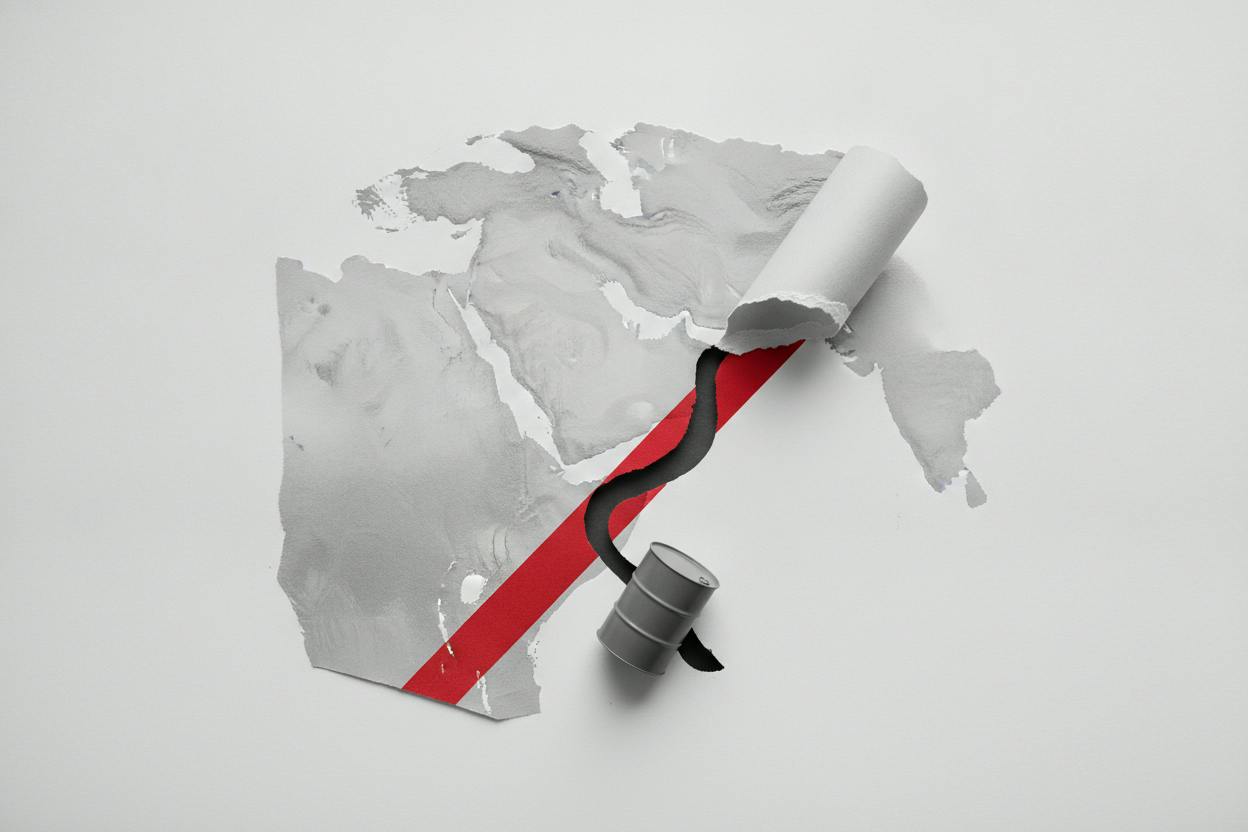
Several forces are making operations more expensive. Conflict in the Middle East has forced longer routes and more cancellations, while Pakistan’s airspace restrictions have added further disruption. These factors increase fuel burn, crew time and scheduling complexity—costs that quickly add up for an airline operating on thin margins.
At the same time, Air India is under pressure to rebuild trust in its safety standards after a fatal crash in June 2025, and Reuters has reported compliance lapses. Improving safety and compliance typically requires investment in training, maintenance and oversight—areas where cutting too deeply can backfire.
Fixes take money, and some are already delayed. Reuters says shortages of seats and other parts have slowed cabin upgrades, and the airline is looking to defer deliveries of hundreds of planes on order. Deferring deliveries can ease near-term cash needs, but it also postpones the revenue and efficiency benefits that new, more fuel-efficient aircraft would bring.
That backdrop helps explain why Reuters reported in August that the carrier was seeking about $1.5 billion of fresh equity from its owners, Tata Sons and Singapore Airlines.
What it means for investors
For Singapore Airlines, a listed carrier with a minority stake in Air India, the exposure keeps coming back to funding needs. Any new equity injection is real money out the door, which can weigh on cash flow. And because Air India is an associate of Singapore Airlines, a share of its losses can flow into the Singaporean carrier’s earnings.
That means sentiment toward Singapore Airlines may swing not only on its own operating performance but also on headlines about how much more funding Air India might need. Savings help, but a carrier losing more than $2 billion a year can still require repeated cash top-ups, especially when disruption adds costs and fleet upgrades keep getting delayed. The reported $1.5 billion equity ask suggests the turnaround may stay capital-intensive.
For everyday investors, the key takeaway is that airline turnarounds are rarely quick or cheap. Cost-cutting can improve the picture at the margin, but it rarely solves a multi-billion-dollar loss on its own. Watch for updates on the equity injection, delivery deferrals and any progress on safety and compliance—each can shift the funding equation.
Broader market context matters too. Indian equities have been sensitive to global inflation and foreign fund flows, as seen in recent sessions where hot US inflation pressured Indian stocks. For a company like Singapore Airlines, exposure to India’s aviation market adds another layer of complexity for investors weighing the stock.
Air India’s cost-cutting drive is a necessary step, but it is only one part of a larger turnaround that will likely require sustained investment and operational improvements. Investors should keep an eye on how the airline balances savings with the spending needed to fix its safety and fleet issues.