Japan's biggest refiner and gas-station operator, Eneos, is stepping up its global push. The company is leaning on overseas deals—starting with a $2 billion-plus purchase of Chevron's downstream assets in Asia—to offset a steady decline in fuel demand at home and build new sources of earnings.
Why Eneos is looking abroad
Eneos has long dominated Japan's fuel market, running refineries and a vast network of service stations. But that domestic base is shrinking. Japan's population is aging and falling, cars are becoming more fuel-efficient, and electric vehicles are slowly gaining ground. The result: less gasoline and diesel consumed every year, a trend that shows no sign of reversing.
For a company built on refining and selling fuel, that is a structural problem. Refiners make money by processing crude oil into products like gasoline, jet fuel and chemicals. When domestic demand shrinks, they have to find other ways to use their capacity and generate profits.
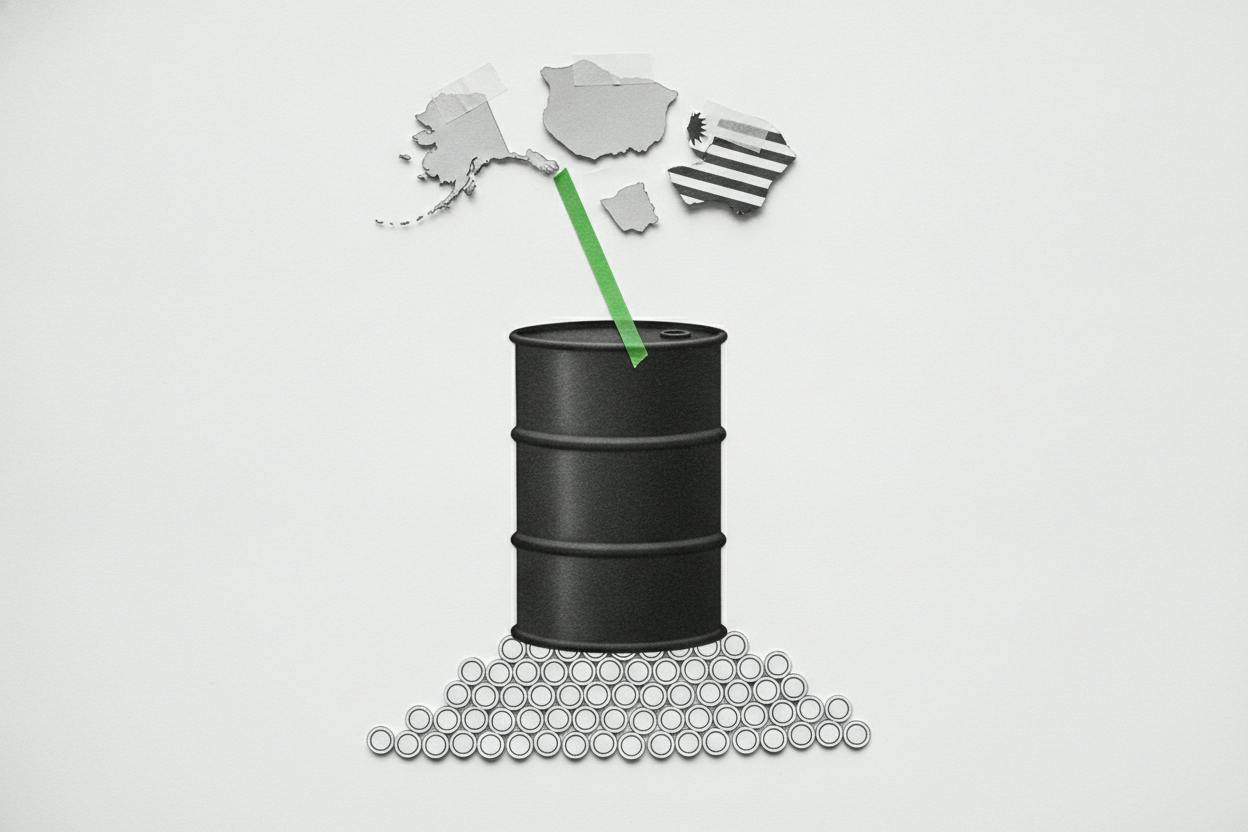
Eneos's answer is to go where demand is still growing. Asia, in particular, has rising populations and expanding middle classes that need more fuel and petrochemicals. The United States also remains a large and stable market for refined products.
The Chevron deal and what it brings
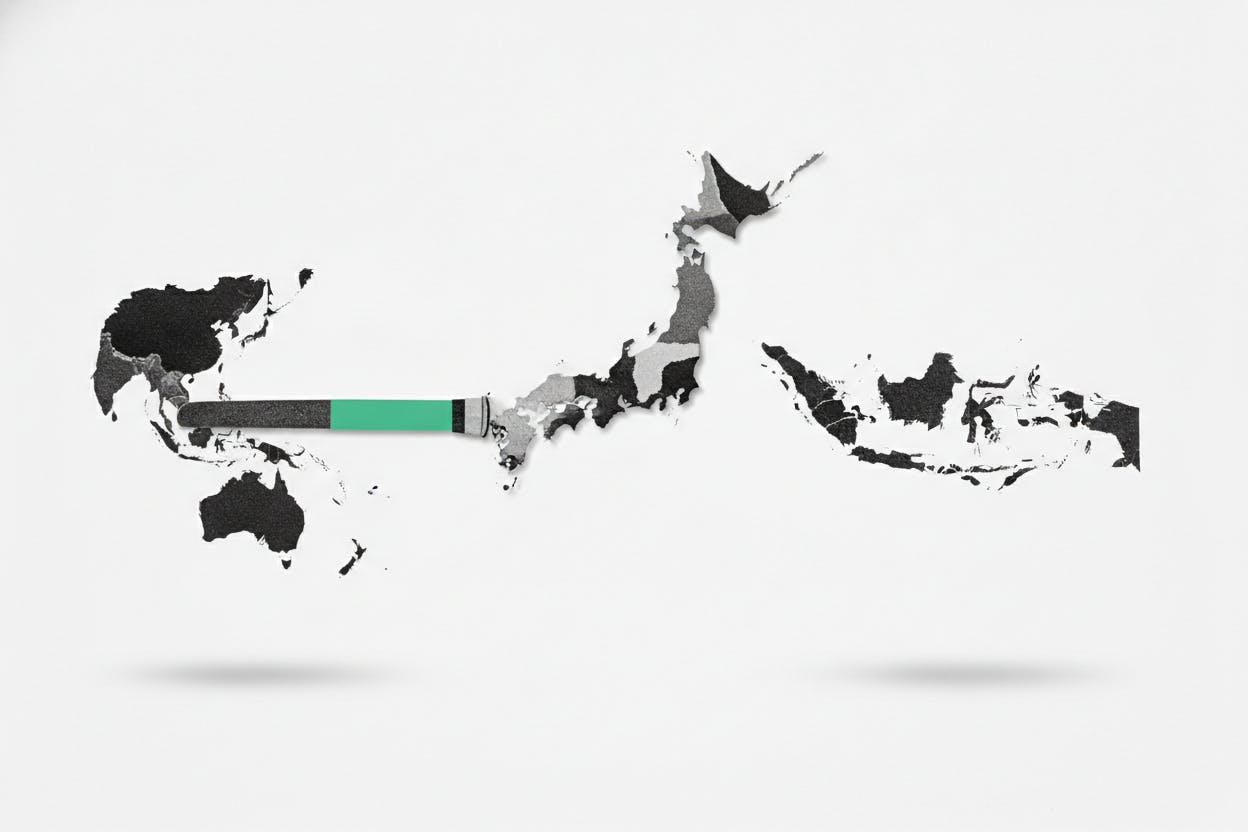
The centerpiece of this strategy is the agreement to buy Chevron's downstream assets in Asia for more than $2 billion. Downstream assets include refineries, fuel marketing operations, and the logistics that move products from the plant to the customer. For Eneos, this purchase is not just about adding capacity—it's about gaining access to new markets and trading routes.
By acquiring Chevron's regional footprint, Eneos can expand its trading business, buying and selling crude and refined products across borders. It also strengthens its position in downstream earnings, which are the profits from turning crude into finished goods and selling them. These are the parts of the business that Eneos believes can grow even as Japan's domestic market contracts.
The deal fits a broader pattern of Japanese energy companies looking overseas for growth. With limited opportunities at home, firms like Eneos are increasingly willing to spend their cash reserves on foreign assets. Eneos is described as cash-rich, which gives it the financial firepower to make large acquisitions without straining its balance sheet.
What it means for investors
For everyday investors, this is a story about how a mature company adapts when its core market stops growing. Eneos is not betting on a rebound in Japanese fuel demand. Instead, it is using its cash to buy growth in faster-moving parts of the world.
The strategy carries both promise and risk. On the positive side, overseas expansion can diversify revenue and reduce dependence on a single shrinking market. It can also open up new trading opportunities that boost margins. On the downside, cross-border deals come with execution challenges—integrating different operations, navigating local regulations, and dealing with currency swings.
Investors will be watching how quickly Eneos can integrate the Chevron assets and whether the deal delivers the earnings growth it promises. They will also look at whether the company can keep finding attractive acquisitions, or if it will need to return more cash to shareholders through dividends or buybacks.
The broader backdrop matters too. Global energy markets have been volatile, with borrowing costs rising as bond yields climb, which makes financing large deals more expensive. At the same time, Japan's monetary base is shrinking, a sign of tighter financial conditions that could affect corporate spending and the yen's value.
Eneos's move also reflects a wider shift in Japan's economy, where companies like Honda are fighting to stay competitive against Chinese rivals in the auto sector. As Japan's industrial base evolves, firms are being forced to look beyond their home market for growth.
The road ahead
Eneos's overseas push is likely to continue. The company has signaled that the Chevron deal is just the beginning of a broader strategy to build a global trading and downstream business. With fuel demand in Japan expected to keep falling, the pressure to find new earnings sources will only intensify.
For now, the focus is on closing the Chevron acquisition and proving that it can deliver. If successful, Eneos could become a model for other Japanese energy firms facing similar demographic and demand challenges. If not, it will be a cautionary tale about the risks of buying growth abroad.
Either way, the message for investors is clear: Eneos is no longer just a Japanese refiner. It is becoming a global energy player, and its fortunes will increasingly be tied to markets far beyond Japan's shores.