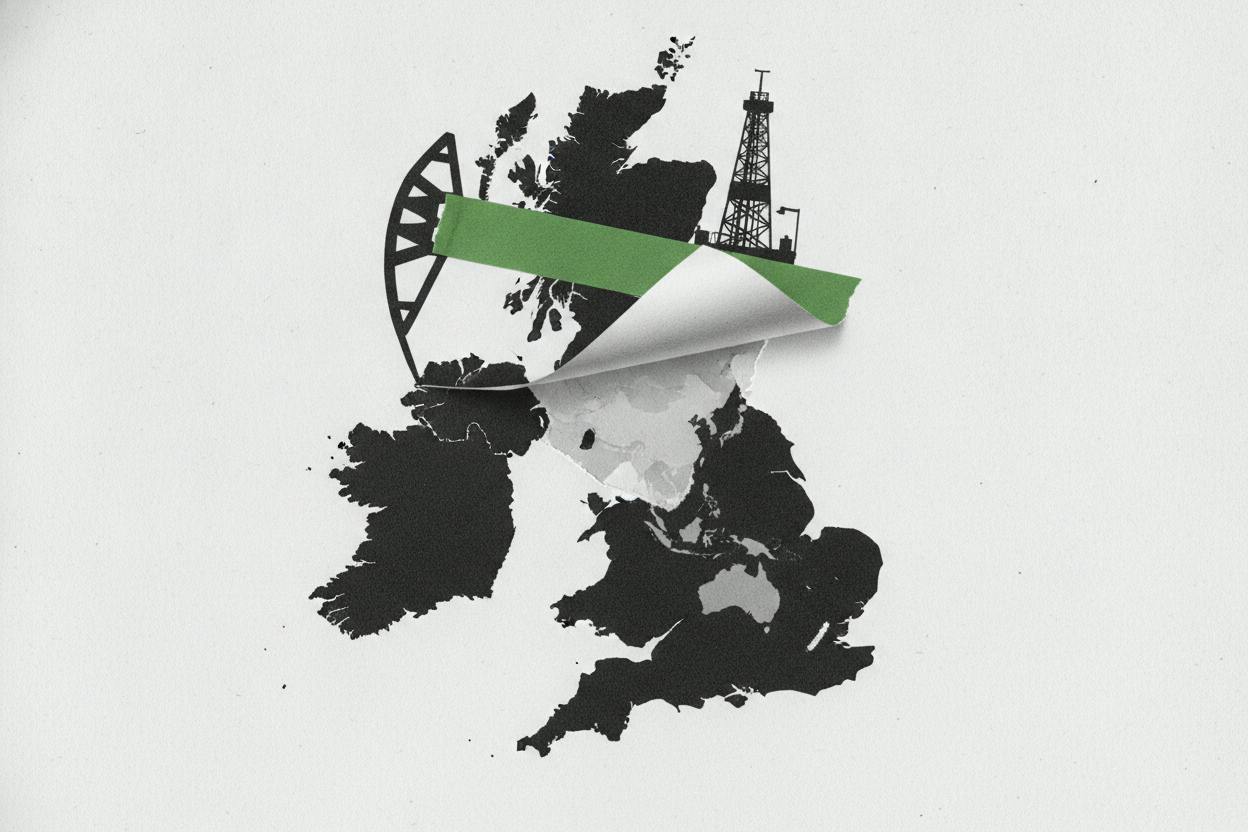
EnQuest, a London-listed oil and gas producer, has agreed to sell its entire UK business to Neo Next+ Energy Upstream for up to $960 million. The deal marks a strategic exit from the North Sea as the company redirects its attention to Southeast Asia.
The buyer will take over producing fields including Magnus and Kraken, as well as undeveloped projects such as Bressay and Bentley. It also acquires stakes in key infrastructure like the Sullom Voe Terminal and major pipelines, making this a comprehensive transfer of EnQuest's UK operations.
Deal structure and payments
EnQuest will receive $840 million in cash when the deal completes, with an additional $120 million possible depending on oil prices and changes to the UK's Energy Profits Levy—a windfall tax on oil and gas producers. Neo Next+ will also pay a $67.2 million deposit upon signing.
The transaction is expected to close in the first quarter of 2027, giving both parties time to secure regulatory approvals and complete the handover of assets.
Why EnQuest is leaving the North Sea
The UK North Sea has become a challenging environment for producers. The Energy Profits Levy, introduced in 2022, has increased the tax burden on companies operating there, and output from mature fields naturally declines over time. Many firms have been reviewing their UK portfolios, with some choosing to exit entirely.
EnQuest's pivot to Southeast Asia reflects a broader trend among oil companies seeking more favorable fiscal terms and growth opportunities. The region offers younger fields and lower operating costs, which can be more attractive for long-term investment.
This deal is part of a wider wave of mega-deals returning across energy and banking, as companies reposition themselves for the energy transition and changing market conditions.
What it means for investors
For EnQuest shareholders, the sale provides a significant cash injection that could be used to reduce debt, fund dividends, or invest in the company's remaining assets. The upfront payment of $840 million gives the company financial flexibility and reduces exposure to UK tax policy uncertainty.
However, the deal's completion is not guaranteed until 2027, and the final price could be lower if oil prices fall or if the windfall tax changes in ways that reduce the contingent payments. Investors should also note that the sale removes a large portion of EnQuest's production, so future revenue will depend on the success of its Southeast Asian operations.
The news has already had an impact on UK markets, with EnQuest's shares dragging UK stocks lower at the open, reflecting investor concerns about the terms or the company's future prospects.
For everyday investors, this deal highlights the risks and rewards of investing in oil and gas companies. The sector is undergoing significant change, with companies either doubling down on fossil fuels or pivoting to cleaner energy. EnQuest's move shows how management teams are making strategic bets on where they see the best returns.
It's also a reminder that windfall taxes and government policy can have a major impact on energy company profitability. The UK's Energy Profits Levy has been a key factor in driving some producers to sell or scale back their North Sea operations.
As the deal progresses, investors will be watching for regulatory approvals, any changes to the tax regime, and how EnQuest deploys the sale proceeds. The company's ability to grow in Southeast Asia will be crucial to its long-term value.
For now, the sale represents a clear strategic shift. Whether it pays off will depend on oil prices, the success of the transition, and how well EnQuest manages its remaining portfolio.