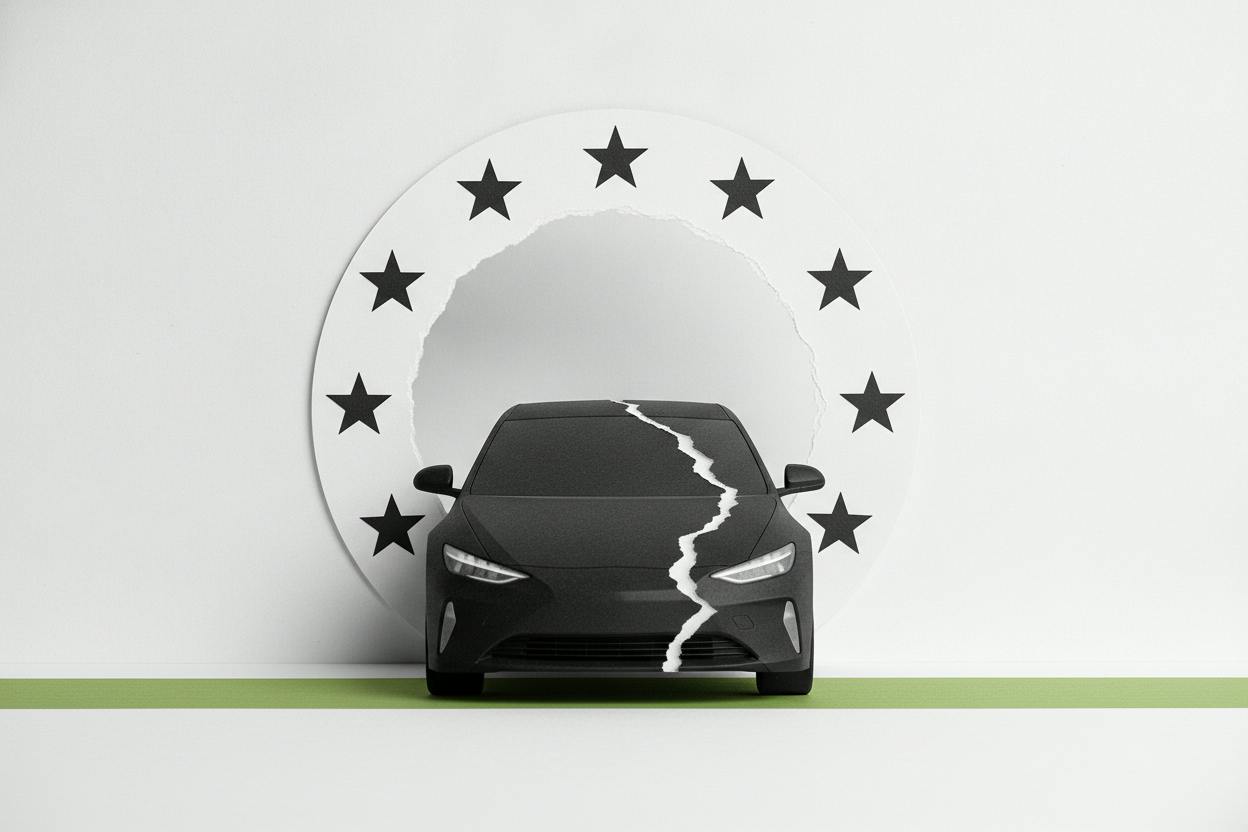
The European Union is considering a new trade barrier aimed at Chinese hybrid cars, according to a Bloomberg report on Wednesday. The bloc is weighing time-limited tariff-rate quotas—a system that would allow a set number of vehicles into the EU at a lower tariff, then apply higher duties on any imports above that cap.
The proposal comes as European automakers face intensifying competition from cheaper Chinese models, particularly in the hybrid segment, which has been growing in popularity as buyers look for fuel-efficient options without going fully electric.
What is a tariff-rate quota?
A tariff-rate quota (TRQ) is a two-tiered import system. It allows a certain volume of goods to enter at a reduced or standard tariff rate. Once that quota is filled, any additional imports face a much higher tariff. The goal is to limit the total volume of imports while still allowing some market access.
For example, if the EU set a quota of 100,000 Chinese hybrids per year, the first 100,000 would face a relatively low tariff, but every vehicle after that would be hit with a steep levy. That higher tariff effectively raises the price of those cars, making them less competitive against locally produced models.
Whether the quota actually changes trade flows depends on whether it "binds"—that is, whether the quota is low enough that some shipments are forced into the higher-tariff tier. If the quota is set too high, it may have little practical effect. Bloomberg's sources suggest the limit under discussion would likely be low, which would make it binding and meaningful.
Talks this week in Beijing
The outcome may hinge on talks planned later this week in Beijing between Maros Sefcovic, the EU's trade chief, and Wang Wentao, China's commerce minister. These discussions are part of ongoing negotiations over trade tensions between the two sides, which have already seen the EU impose tariffs on Chinese electric vehicles.
The EU has been increasingly concerned about the influx of Chinese-made cars, which benefit from state subsidies and lower production costs. European automakers have warned that without some form of protection, they could lose significant market share in their home region.
This is not the first time the EU has used trade measures against Chinese vehicles. Earlier this year, the bloc imposed additional tariffs on Chinese-made electric vehicles, a move that drew sharp criticism from Beijing and led to threats of retaliation.
The new focus on hybrids is notable because hybrids have been a bright spot for European automakers. While pure EV sales have slowed in some markets, hybrids have surged as consumers seek a compromise between fuel efficiency and the convenience of a traditional engine. Hybrid sales have also been strong in the US, where gas prices have pushed buyers toward more efficient options.
What it means for investors
For investors, the potential quotas could have significant implications for both European and Chinese automakers. European carmakers like Stellantis, Volkswagen, and Renault could benefit from reduced competition from Chinese hybrids, potentially protecting their market share and pricing power. Stellantis, for example, has been ramping up hybrid production in Italy, and a quota on Chinese imports could give it more breathing room.
On the other hand, Chinese automakers such as BYD, Geely, and SAIC Motor could see their European expansion plans hampered. These companies have been aggressively entering the European market with competitively priced hybrids and EVs, and a binding quota would force them to either absorb the higher tariffs or limit their sales volumes.
Investors should also watch for potential retaliation from China. Beijing has already signaled it could target European goods, including agricultural products and luxury cars, in response to EU trade measures. Chinese markets have been sensitive to trade tensions, and any escalation could weigh on global sentiment.
The talks between Sefcovic and Wang will be closely watched for signs of a breakthrough or a further deterioration in trade relations. If the two sides can reach a negotiated settlement, it might avoid the need for quotas altogether. If not, the EU could move forward with the tariff-rate quota as soon as the legal process allows.
For everyday investors, the key takeaway is that trade policy is becoming an increasingly important factor in the auto sector. Companies that rely heavily on global supply chains and cross-border sales are more exposed to these risks. Diversification across regions and sectors can help mitigate the impact of such policy shifts.
As always, it's important to remember that trade negotiations are fluid and outcomes are uncertain. The quota proposal is still under discussion, and details could change before any final decision. Investors should stay informed but avoid making hasty decisions based on early reports.