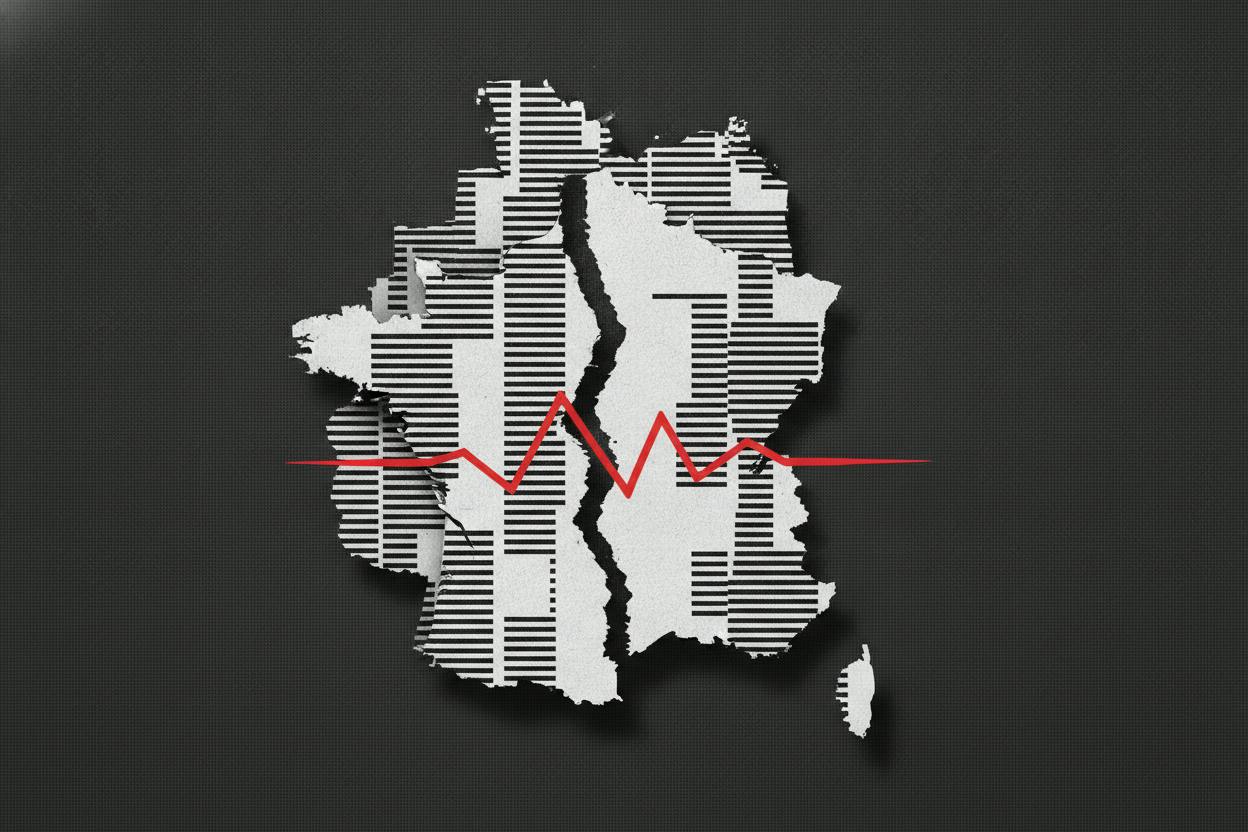
The euro slipped to about $1.1225 in early Asian trading on Tuesday, as a burst of unrest in France put pressure on the single currency. Because the euro carries the heaviest weight in the dollar index, the move helped keep that gauge steady near 101.83, just ahead of key policy meetings from the Federal Reserve and the European Central Bank.
What's driving the euro lower?
France, the eurozone's second-largest economy, has been hit by a wave of social and political unrest. While the details of the protests are still developing, markets tend to react quickly to instability in major economies. Investors worry that prolonged disruption could hurt business confidence, weigh on consumer spending, and complicate the government's fiscal plans.
For currency traders, political risk is a key factor. When a country faces unrest, foreign investors often pull back, seeking safer assets elsewhere. That selling pressure typically shows up in the currency first. Since the euro is the most heavily traded component of the dollar index, any weakness in the euro automatically lifts the dollar's value against a basket of major currencies.
Central bank meetings take center stage
The currency moves come at a delicate time. Both the Federal Reserve and the European Central Bank are scheduled to hold policy meetings in the coming days. Investors are watching closely for signals on interest rates, inflation, and the overall economic outlook.
The Fed has been navigating a tricky path: inflation has cooled from its peaks but remains above the central bank's 2% target. Recent comments from Fed officials, including signals that there's no rush to hike rates, have helped steady markets. But the upcoming meeting will be scrutinized for any shift in tone.
Across the Atlantic, the ECB faces its own challenges. The eurozone economy has been sluggish, and the unrest in France adds another layer of uncertainty. If the ECB sounds more cautious about growth, that could further weigh on the euro. Conversely, a hawkish stance—emphasizing the need to fight inflation—might give the currency a boost.
What does this mean for investors?
For everyday investors, currency moves might seem distant, but they have real consequences. A weaker euro can affect the returns of U.S. investors holding European stocks or bonds. When the euro falls, the value of those investments in dollar terms declines, even if the underlying assets haven't changed.
On the flip side, a stronger dollar can be a headwind for U.S. multinational companies that earn a significant portion of their revenue overseas. When the dollar appreciates, those foreign earnings translate into fewer dollars, which can dent corporate profits.
For those with exposure to international funds or European equities, it's worth keeping an eye on the political situation in France. Unrest can lead to volatility, and central bank decisions can amplify those moves.
What to watch next
Traders will be parsing the statements and press conferences from both the Fed and the ECB. Any hints about the future path of interest rates could trigger sharp moves in currencies, stocks, and bonds.
Also on the radar: the dollar index's level near 101.83. If the euro continues to slide, the dollar could push higher, which might put pressure on commodities priced in dollars, such as gold and oil. Indeed, gold has recently edged up as the dollar posted its first weekly drop in five weeks, but that trend could reverse if the dollar strengthens.
Investors should also watch for any spillover into other markets. Political unrest in a major economy can affect global risk sentiment, leading to moves in emerging market currencies and equities. The rupee's recent strength, for example, could be tested if risk appetite fades.
The bottom line
The euro's dip to $1.1225 is a reminder that politics and currencies are closely intertwined. With major central bank meetings on the horizon, volatility could pick up. For investors, staying informed and understanding how currency moves affect their portfolios is key. As always, it's wise to focus on long-term goals rather than reacting to short-term swings.



