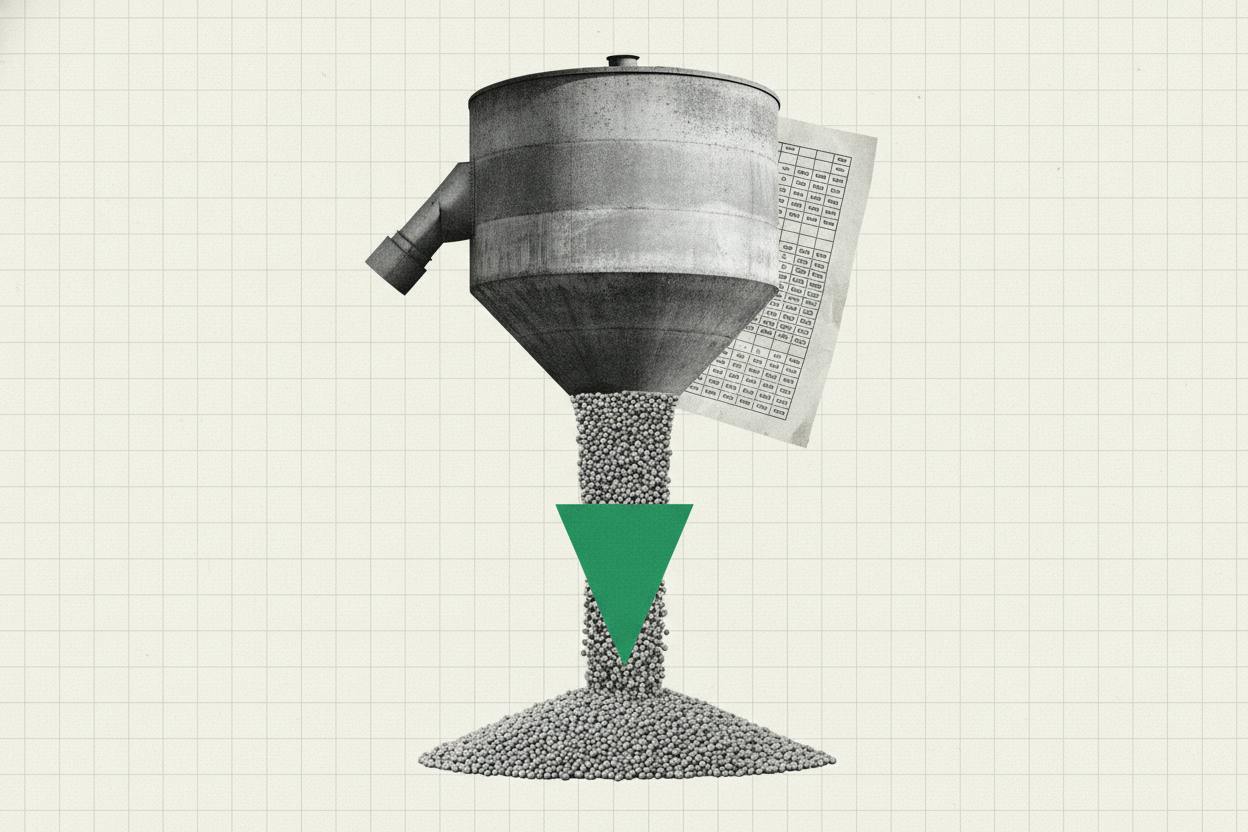
Soybean futures fell to their lowest level in over a month on Tuesday as the US harvest picked up speed, with large speculative funds unwinding bullish positions even after the government confirmed new sales to China.
Chicago Board of Trade November soybeans closed down 7-3/4 cents at $12.53-1/2 a bushel after touching their lowest point since August 27. The decline came as dry weather across the Midwest allowed farmers to bring in what is expected to be a large US crop, flooding the market with supply all at once.
Harvest pressure outweighs export news
The US Department of Agriculture (USDA) reported 114,000 metric tons of soybeans sold to China, part of a total 1.472 million tons of confirmed sales over four days. Another 261,000 tons went to "undisclosed" buyers, which traders widely suspect are also Chinese purchasers.
Yet the price action tells a different story. Despite the steady drumbeat of export demand, traders are focused on the near-term supply glut and on reducing their long positions—bets that prices will rise—rather than on headline-grabbing sales figures.
The USDA's weekly crop progress report, due later this week, is expected to show about 66% of the crop harvested as of Sunday. That would mark a significant step forward in the transition from "growing" to "moving and storing" mode.
Why harvest speed matters for prices
When harvest progress runs hot, elevators and processors often hedge by selling nearby futures contracts against the physical beans they are about to receive. They then decide whether to store the crop based on whether later-dated contracts trade high enough to cover storage and financing costs.
If the market isn't paying that "carry"—the premium for holding grain into future months—more supply gets pushed through quickly, keeping the front-month contract under pressure. That's why the gap between near and later months, known as calendar spreads, can weaken even when the USDA confirms sizable sales to China.
In other words, each crop-progress update can matter as much as export news for CBOT November until the harvest rush eases.
What it means for investors
For everyday investors, the soybean market's moves may seem distant, but they ripple through the broader economy. Lower soybean prices can translate into cheaper food costs for products like cooking oil and animal feed, potentially easing inflation pressures. They also affect the revenues of major agribusiness firms and the incomes of farmers, which can influence rural spending and land values.
For those with exposure to agricultural commodities through exchange-traded funds or futures, the key takeaway is that harvest-time dynamics often dominate price action in the short term. Even strong export demand may not be enough to lift prices while the market is absorbing a wave of freshly harvested supply.
Investors should also keep an eye on the calendar spreads and the pace of harvest progress in the coming weeks. If the crop comes in as large as expected and storage fills up quickly, prices could remain under pressure. Conversely, any weather delays or a surprise jump in export demand could quickly reverse the trend.
As the market shifts from growing season to harvest logistics, the focus is squarely on how much supply is hitting the system—and whether the market is willing to pay to store it. For now, the answer appears to be no, and that's keeping a lid on soybean futures.



