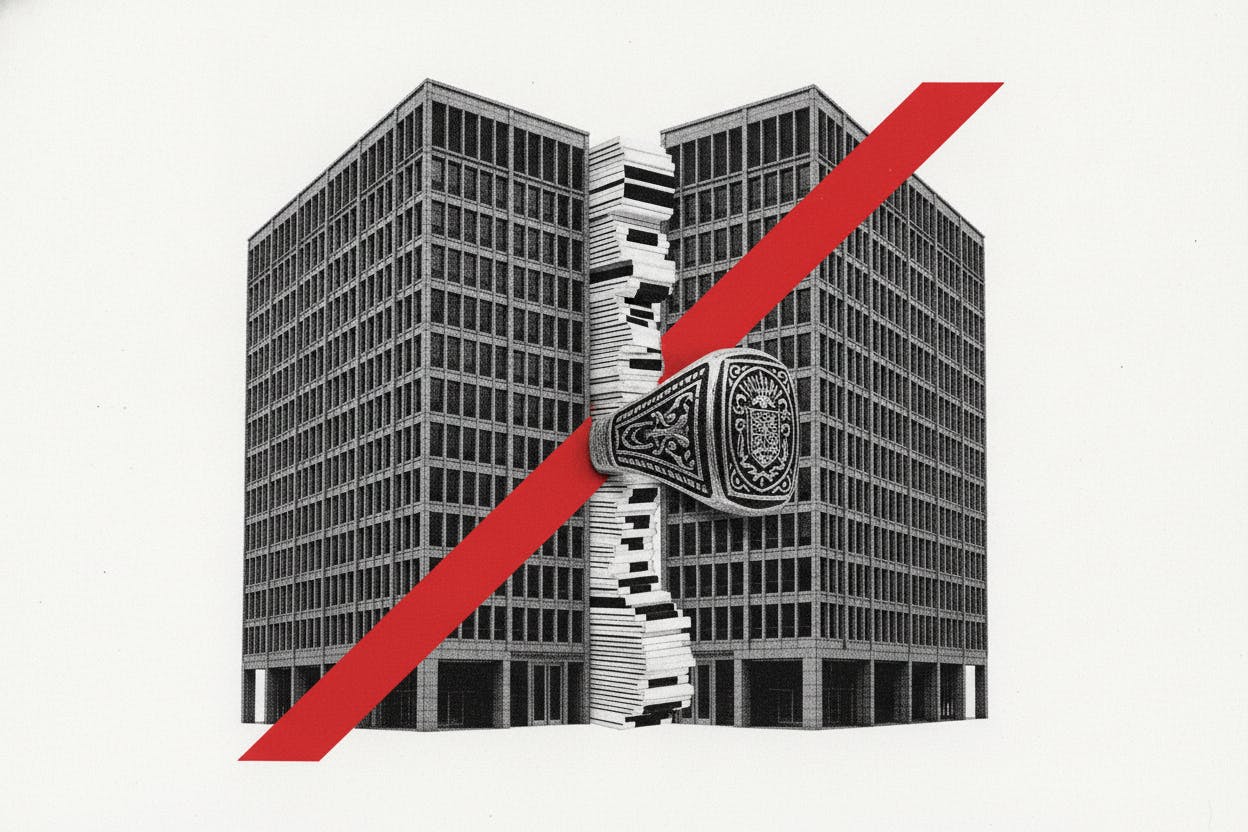
Europe's largest banks are pushing back against potential regulatory changes to stock market rules, telling EU policymakers that the growing trend of trading away from public exchanges hasn't damaged the way share prices are determined.
The lenders argue there is no evidence that a decline in trading on traditional 'lit' exchanges — where buy and sell orders are publicly displayed — has weakened price-setting, according to a recent industry submission. The move comes as European regulators consider whether to tighten rules around off-exchange trading, which has grown significantly in recent years.
What's Driving the Shift Off-Exchange?
More European share trading is now happening 'off-exchange' — in venues such as bank-run internal matching systems and private trading pools — rather than on public exchanges where bids and offers are visible to all market participants. This shift has accelerated as banks and other large investors seek lower costs and greater discretion when executing big trades.
Policymakers have grown concerned that the migration of trading activity away from lit exchanges could undermine the quality of price discovery — the process by which markets establish a fair price for a stock based on supply and demand. In theory, if too much trading moves off-exchange, the prices quoted on public exchanges may become less reliable, potentially harming smaller investors who rely on those quotes.
But the banks argue the system still works effectively. Many off-exchange trades are priced using the quotes from lit exchanges as a reference, meaning the public markets still play a central role in setting prices even when the actual trade happens elsewhere.
What the Banks Are Asking For
In their submission to EU regulators, the lenders urged authorities not to impose sweeping changes to the current market structure. They argue that the existing framework already provides adequate transparency and that any new rules could increase costs and complexity without clear benefits.
The banks' position puts them at odds with some exchange operators and smaller brokers, who argue that the growth of off-exchange trading is fragmenting liquidity and making it harder for ordinary investors to get fair prices. The debate mirrors similar discussions in the United States, where regulators have also been examining the rise of off-exchange trading and its impact on market quality.
European stock markets have seen a mixed performance recently, with the European stocks flat as tech gains offset by construction slide, while the ECB's annual Sintra forum has kept central bank policy in focus.
What It Means for Investors
For everyday investors, the outcome of this regulatory debate could affect how their trades are executed and what prices they receive. If regulators decide to curb off-exchange trading, more activity could return to public exchanges, potentially improving transparency but also increasing costs for large institutional trades — costs that could eventually be passed on to retail investors through higher fund fees.
If the banks' view prevails and the current system remains largely unchanged, the trend toward off-exchange trading is likely to continue. That could mean more trades happen away from public view, but with prices still anchored to exchange quotes.
The broader context matters too. European markets have been navigating a range of headwinds, from Middle East tensions rattling UK stocks to the impact of a strong dollar on emerging markets. Meanwhile, global banks are shifting their Asia focus to South Korea as China and India become tougher markets.
Investors should watch for any formal proposals from the European Commission, which is expected to review the Markets in Financial Instruments Directive (MiFID II) — the key piece of legislation governing European trading — in the coming months. Any changes could take years to implement, but the direction of travel will signal whether regulators side with the banks or with those calling for tighter oversight.
For now, the message from Europe's biggest lenders is clear: don't fix what isn't broken.