Europe's earnings season is shaping up to be its strongest in four years, with third-quarter profits for companies on the STOXX Europe 600 expected to climb roughly 25% from a year earlier. The surge is being driven largely by energy companies and banks, according to Reuters, as higher commodity prices and rising interest rates boost their bottom lines.
But beneath the headline numbers, strategists are asking a tougher question: how long can European companies keep their profit margins at record levels? Deutsche Bank estimates that blue-chip margins in the region have hit an all-time high of 13.5%, a level that leaves little room for error if costs start to rise.
What's behind the strong quarter?
The earnings jump is partly a story of simple arithmetic. Energy companies have seen profits swell as oil and gas prices remain elevated, while banks have benefited from higher interest rates, which widen the gap between what they earn on loans and what they pay out on deposits. That combination has helped narrow the earnings-growth gap between Europe's STOXX 600 and the U.S. S&P 500, with LSEG IBES estimates pointing to faster growth in Europe in the coming quarter before the U.S. potentially pulls ahead again.
For everyday investors, this means European stocks are looking more competitive relative to their U.S. counterparts, at least on a near-term earnings basis. But the quality of that growth matters, and some analysts warn that the current strength may not be as durable as it appears.
The margin question
Goldman Sachs strategist Guillaume Jaisson argues that European companies have protected their margins more through pricing power and tight cost control than through genuine productivity gains. That distinction is important because pricing power and cost discipline can only go so far. If input costs—especially energy—start to rise again, companies may find it harder to pass those costs on to customers without losing business.
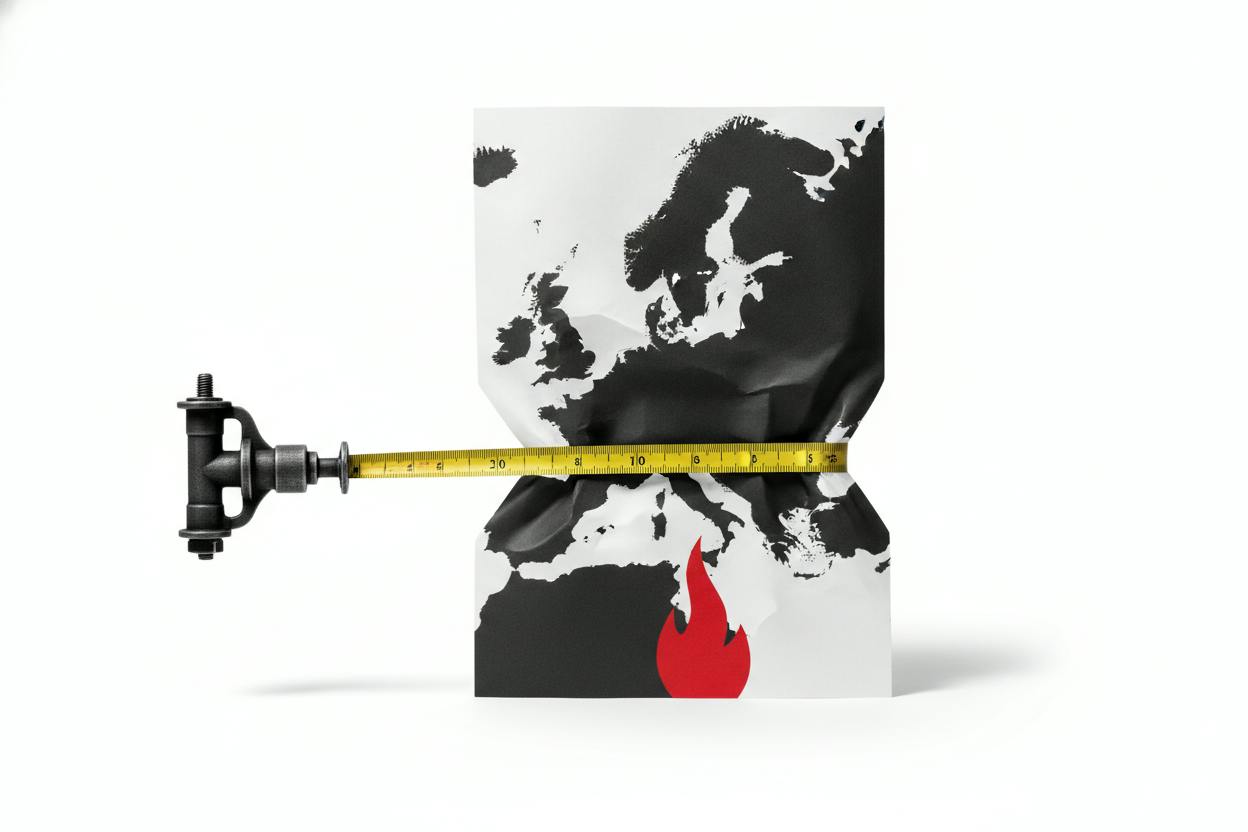
The risk is particularly acute for energy-intensive industries like chemicals and autos. Many companies lock in energy prices through hedging contracts and long-term supply agreements, which means they often feel the impact of higher power and gas costs with a delay. As those hedges roll off, the full effect of elevated commodity prices can hit their operating margins months later. If energy prices stay high through the winter, that lagged pass-through could squeeze profits and prompt analysts to cut their forward earnings estimates.
For investors, the takeaway is that today's record margins may not be sustainable. When margins are already stretched, the next big swing in profits often comes from margins falling rather than revenues rising. That dynamic can lead to a wave of downgrades that hits the STOXX Europe 600 unevenly, with the most energy-hungry sectors facing the sharpest risk.
What it means for investors
For those with exposure to European equities, the strong earnings season is a positive sign, but it's worth watching how companies manage their costs in the months ahead. If energy prices remain elevated, the lagged impact could start showing up in earnings reports early next year. That could trigger a reassessment of profit expectations and potentially weigh on stock prices.
Investors should also keep an eye on the broader market context. The U.S. earnings season has been robust, with the S&P 500 seeing a 32% surge in profits, though stocks have recently slipped into correction territory. Meanwhile, European tech stocks have rebounded after an AI-driven selloff, and there are signs that consumer spending is becoming more cautious, as UBS warns of a patchy U.S. holiday season.
The earnings gap between Europe and the U.S. is narrowing, but that doesn't mean European stocks are a sure bet. The record margin level is a double-edged sword: it shows how profitable companies have become, but it also leaves less cushion if conditions deteriorate. As Jaisson notes, the "lag" effect means that earnings estimates can look fine right up until they don't.
For now, the market is celebrating a strong quarter. But the real test will come in the months ahead, as investors watch whether companies can maintain their margins in the face of persistent cost pressures. If they can't, the current optimism could quickly fade.