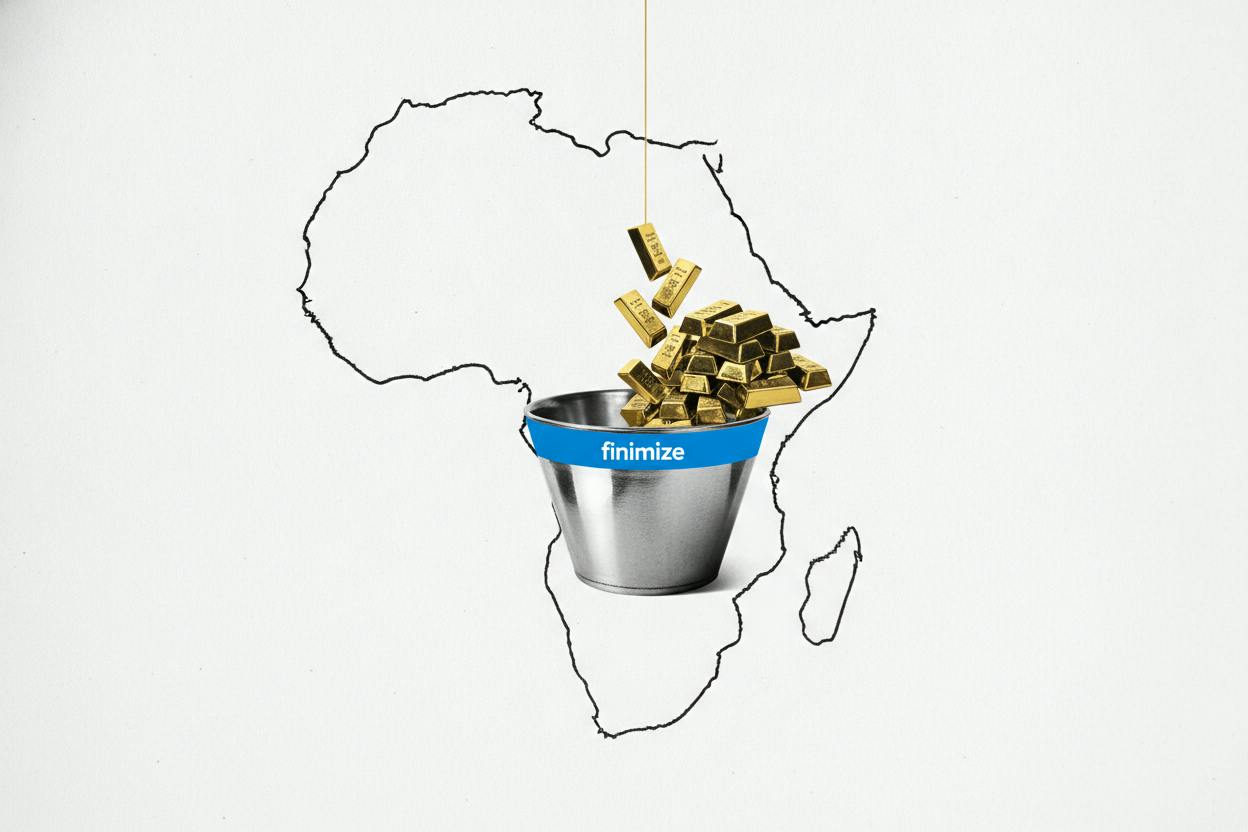
West African governments are betting big on gold refining as a way to keep more of the value chain at home. The logic is straightforward: instead of shipping raw bullion to hubs like Dubai or Switzerland, refine it locally in Ghana, Guinea, Mali, or Burkina Faso, and you capture more revenue, create jobs, and tighten oversight. But a new analysis from Reuters suggests the region's ambitions may have outrun its actual supply of gold.
According to Reuters, at least four major refineries have been launched or commissioned since 2024, with combined annual capacity exceeding 1,000 metric tons. That is nearly double the region's total gold output of roughly 585 tons per year. The gap raises a simple but uncomfortable question: where will all that refining capacity find metal to process?
Too many refineries, too little gold
Refining is a volume business. A plant needs a steady stream of doré bars—the semi-pure gold alloy that comes out of mines—to keep operating efficiently. When capacity outstrips supply, some facilities are likely to sit idle, which erodes the economics of the entire project.
Mining executives told Reuters that the real challenge isn't just processing metal; it's selling it. The most valuable gold is "bankable"—meaning it can be easily resold, financed, and traded on global markets. That's where accreditation from the London Bullion Market Association (LBMA) comes in. LBMA Good Delivery status is often a prerequisite for selling to major banks, central banks, and large trading houses. Without it, refiners must rely on narrower channels, where buyers may demand discounts or impose slower payment terms.
Reuters reports that miners in Guinea have already begun stockpiling gold while regulations shift, and industry leaders warn that refining overcapacity is not just a West African problem—it's a global one. Across Africa and beyond, more refineries are chasing a finite supply of "bankable" gold.
Governments see strategic value
For governments, the refinery push is about more than just margins. Ghana, for instance, has expanded its domestic gold purchases to build foreign-exchange reserves, a move that can help stabilize its currency and reduce reliance on external borrowing. Guinea says it wants a traceable, central-bank-linked ecosystem, including a refinery operated by a UAE-based refiner that is already LBMA-compliant.
These are strategic goals that go beyond the economics of a single plant. But the tension is real: a refinery that can't source enough metal or can't sell its output at competitive prices may not deliver the benefits policymakers envision.
What it means for investors
For everyday investors, this story is a reminder that commodity booms often come with bottlenecks. When too many refineries chase too little gold, the competition shifts from processing to market access. Plants that can't reliably sell into LBMA-linked channels may have to accept negotiated discounts and slower payment terms, because fewer big buyers can take the metal quickly.
That can translate into weaker realized prices and slower cash conversion for West African miners and state buyers—including programs like Ghana's domestic purchases for reserves. It also raises the odds of underused facilities and stockpiles, until accreditation, sourcing standards, and export routes are clear.
For investors with exposure to gold miners operating in the region, this could mean more volatility in earnings and cash flow. For those holding gold as an asset, the refining glut is unlikely to move the global price much—but it could affect the premiums and discounts on bars from specific refineries.
The broader lesson: infrastructure is only as valuable as the market it serves. West Africa's gold refining push may eventually pay off, but the road there is likely to be bumpy. As the region works through its overcapacity, investors should watch how quickly plants get accredited, how much metal actually flows through them, and whether discounts emerge as a persistent feature of the market.
In the meantime, the global gold market remains dominated by established hubs and LBMA-accredited refiners. New entrants will need to prove they can meet those standards—or find creative ways to compete on price and service.