For years, Europe's telecom operators have been in a costly race to build out fiber-optic networks and 5G coverage. That spending weighed on profits and left little room for big shareholder returns. Now, the tide appears to be turning. Two of the region's largest carriers—Deutsche Telekom and Swisscom—have lifted their financial forecasts and increased dividends, a sign that the heavy investment phase is starting to pay off in stronger cash flow.
What's happening
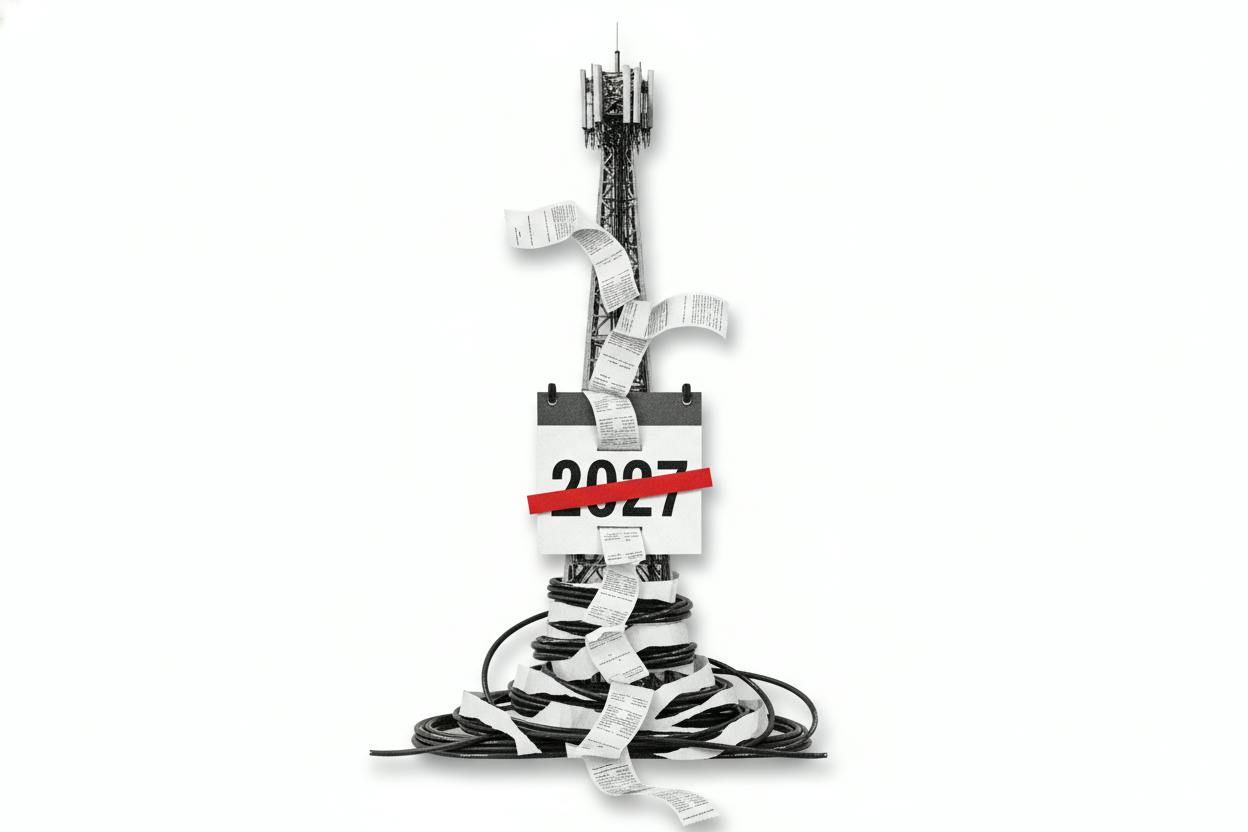
Germany's Deutsche Telekom, the country's largest phone carrier, raised its full-year outlook again after its latest results beat expectations. The company also proposed a 10% increase in its dividend and outlined a share buyback program of up to €2 billion—though that buyback is not planned until 2027. The company's CEO noted that it could hold onto cash for potential moves tied to T-Mobile US, its American wireless unit.
Swisscom, Switzerland's dominant telecom provider, also lifted its forecast and increased its dividend, echoing the same theme: after years of capital-intensive network upgrades, the cash is finally flowing back to shareholders.
Why this matters
Telecom companies are often seen as steady, utility-like investments, but their appeal has been dampened by the enormous sums needed to build and maintain modern networks. Fiber and 5G rollouts require billions in upfront spending, which historically ate into free cash flow and limited how much could be returned to investors.
Now that many of those networks are built or nearing completion, the spending burden is easing. That means more of the revenue from subscriptions and data services can be converted into cash—cash that can be used for dividends, buybacks, or further investment. For investors, this shift could make European telecoms more attractive as income-generating stocks.
What it means for investors
For everyday investors, the key takeaway is that telecom companies are entering a phase where they can reward shareholders more generously. Higher dividends and share buybacks are classic ways to return value, and they can be a sign that management believes the business is on solid footing.
However, it's worth noting that Deutsche Telekom's buyback is still a few years away, and the company is keeping its options open regarding T-Mobile US. That suggests management is balancing shareholder returns with strategic flexibility. Investors should watch how the company allocates its cash in the coming years, especially if it pursues acquisitions or other deals.
Swisscom's move is also notable because it shows the trend isn't limited to one company. Across Europe, telecom operators are likely to follow a similar path as their network buildouts mature. This could lead to a broader re-rating of the sector, as investors start to see these companies as less capital-hungry and more cash-generative.
Broader context
The telecom sector has been under pressure from intense competition, regulatory constraints, and the high cost of spectrum licenses. But the recent results suggest that the worst of the investment cycle may be over. As Deutsche Telekom's raised outlook shows, the company is confident enough to increase its guidance, which is a positive signal for the industry.
Investors should also keep an eye on the competitive landscape. For instance, Deutsche Telekom's CEO has noted that SpaceX could shake up the US mobile market, which could have implications for T-Mobile US and, by extension, Deutsche Telekom's overall performance. While that's a longer-term risk, it's part of the broader picture.
What to watch next
Going forward, investors will be watching whether other European telecoms follow suit with dividend hikes or buyback announcements. They'll also be monitoring how much cash these companies can generate as network investment tails off. If the trend continues, telecom stocks could become more popular among income-focused investors.
At the same time, the sector isn't without challenges. Competition from new entrants, regulatory pressures, and the need to invest in new technologies like AI and edge computing could still eat into cash flows. But for now, the message from Deutsche Telekom and Swisscom is clear: the spending spree is winding down, and shareholders are starting to benefit.
This article is for informational purposes only and does not constitute investment advice. Always do your own research before making investment decisions.