European stocks trading in the US edged higher late Friday morning, with the S&P Europe Select ADR Index rising 0.11% to 1,887.83. The modest gain, however, masked a wide divergence among sectors, as oil and consumer staples led while biotech names tumbled.
What moved
Among the gainers, Italy's oil and gas producer Eni and Dutch health technology firm Philips both rose 1%. Consumer staples groups Unilever and Anheuser-Busch InBev added 1.4% and 1.3%, respectively. These are large, liquid companies that tend to attract steady buying during uncertain times.
On the downside, French gene-editing company Cellectis dropped 13%, and France's DBV Technologies fell 5.2%. Both are smaller, higher-volatility biotech firms, where share prices can swing sharply on trial results, regulatory news, or other company-specific developments.
Why the index looks calm
The S&P Europe Select ADR Index tracks American depositary receipts (ADRs) of European companies. ADRs let US investors buy shares of foreign firms on US exchanges, and the index provides a snapshot of how European equities are faring during US trading hours.
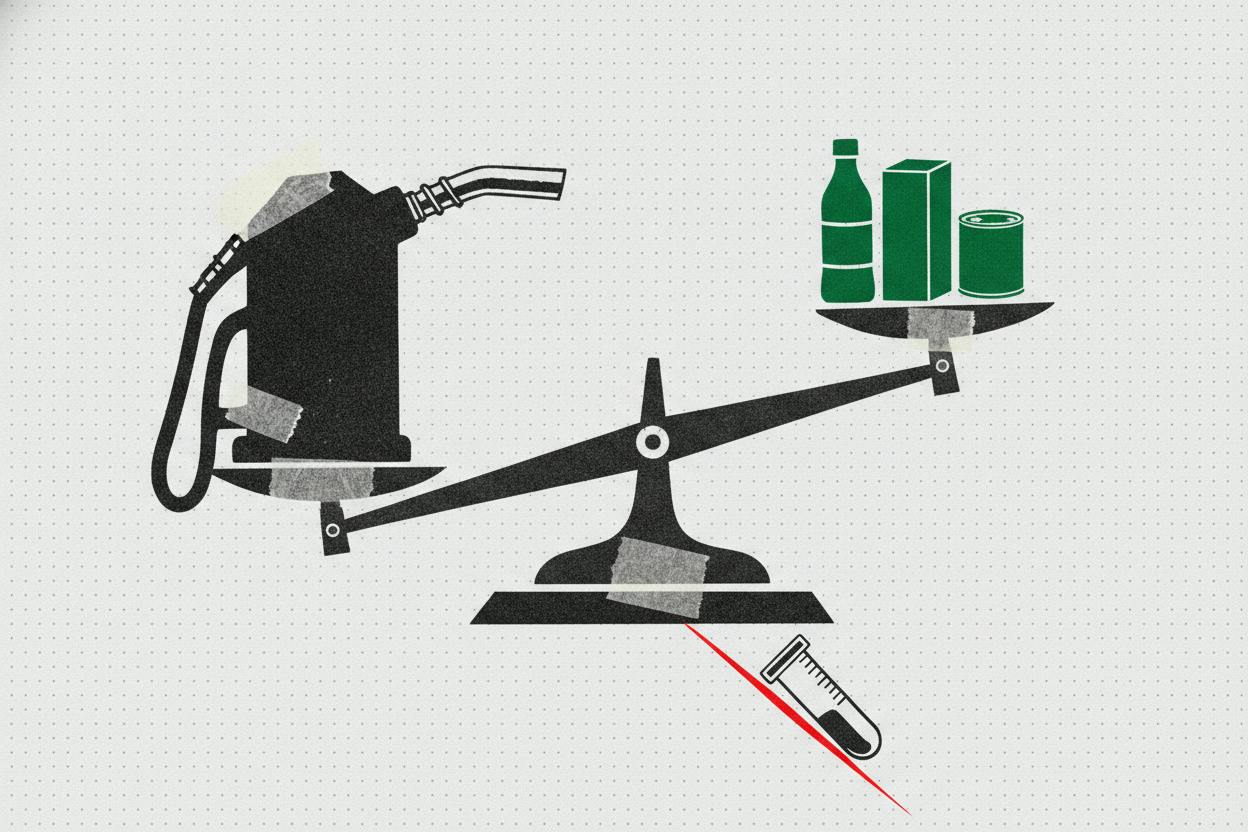
Friday's session was a reminder that a flat index can hide a lot of churn underneath. When returns are widely spread across stocks, an index's small move can be a poor summary of the day. Modest gains in large, liquid names like Eni, Philips, Unilever, and Anheuser-Busch InBev can offset big percentage drops in smaller companies, leaving the headline gauge looking calm.
That mix points to investors favoring defensive sectors like energy and everyday consumer goods during US trading hours, while trimming exposure to riskier, single-event-driven stocks such as biotech. Defensive sectors are those that tend to be less sensitive to economic cycles—people still need to heat their homes and buy soap regardless of the broader economy.
What it means for investors
For everyday investors, the key takeaway is that using the S&P Europe Select ADR Index as a quick read on “Europe in US hours” can understate single-stock risk. On days like this, the more useful signal is the widening gap between defensive sectors and higher-beta biotech ADRs, where moves can be driven by trial or regulatory headlines rather than broad economic news.
Higher-beta stocks are those that tend to move more than the overall market, both up and down. Biotech companies, in particular, often see outsized moves because their valuations hinge on the success or failure of specific drugs or treatments. A single clinical trial result can wipe out or double a company's market value in a day.
For investors holding European ADRs, the lesson is to look beyond the index level. A small daily change can obscure significant shifts in individual holdings. Diversification across sectors and company sizes can help manage the risk of a single stock dragging down a portfolio.
Friday's action also echoes a broader theme seen in recent weeks, as investors have rotated toward more stable sectors amid uncertainty about interest rates and global growth. The STOXX 600 has slipped on some days as tech and AI names wobble, while earnings season has been strong overall. The Eurozone GDP met forecasts in the third quarter, providing some support for the region's equities.
Investors will likely keep an eye on whether the defensive bid persists or fades. If oil prices remain firm, energy names like Eni could continue to lead. If consumer staples keep attracting inflows, Unilever and AB InBev may stay supported. Meanwhile, biotech ADRs could remain volatile, especially for companies with upcoming data readouts or regulatory decisions.
For those considering European exposure, the ADR index offers a convenient way to track the region, but it's worth remembering that it's an average—not a guarantee of how any individual stock will perform. As Friday showed, the calm surface can hide a lot of turbulence underneath.