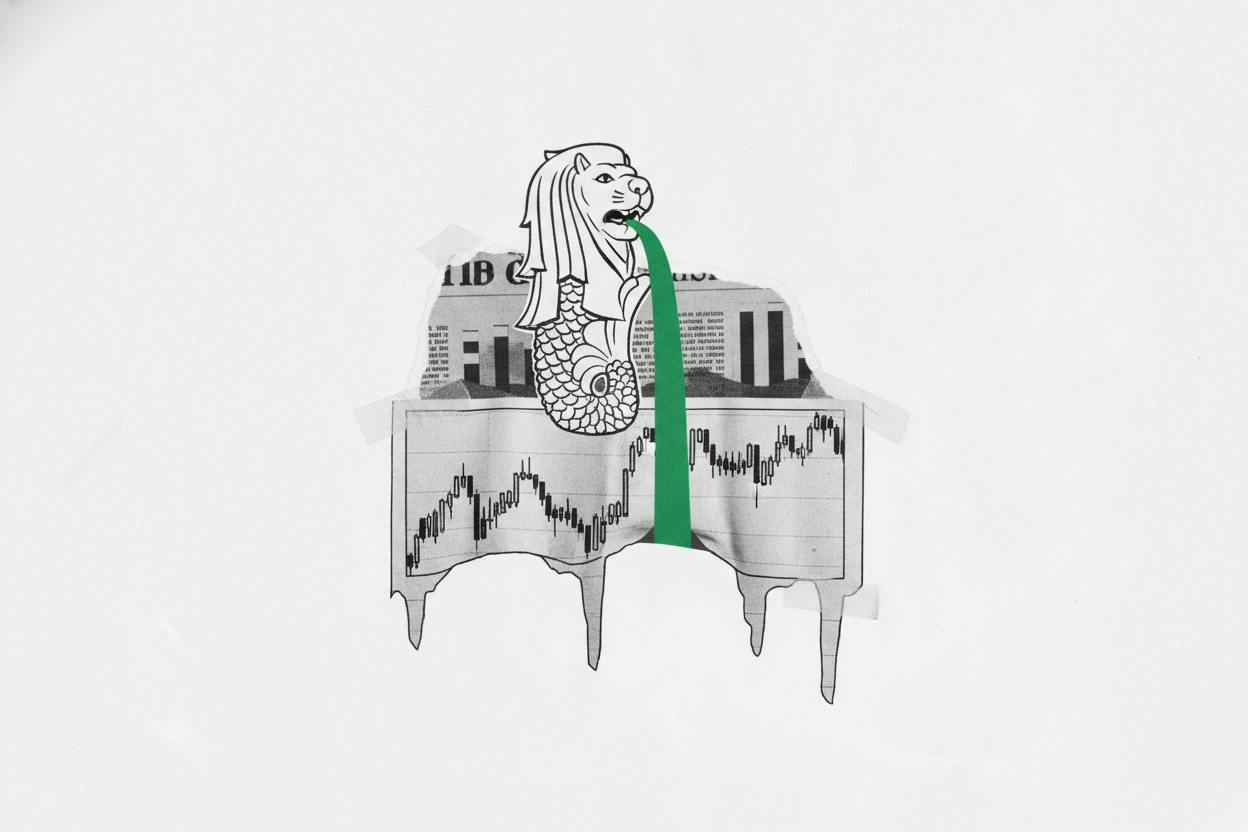
European stocks managed a modest gain on [day], as a dip in oil prices helped offset a sharp sell-off in technology shares. The pan-European STOXX 600 index rose 0.44% to close at 638.44, with cheaper crude easing worries about inflation and giving a lift to sectors that depend on energy-intensive inputs.
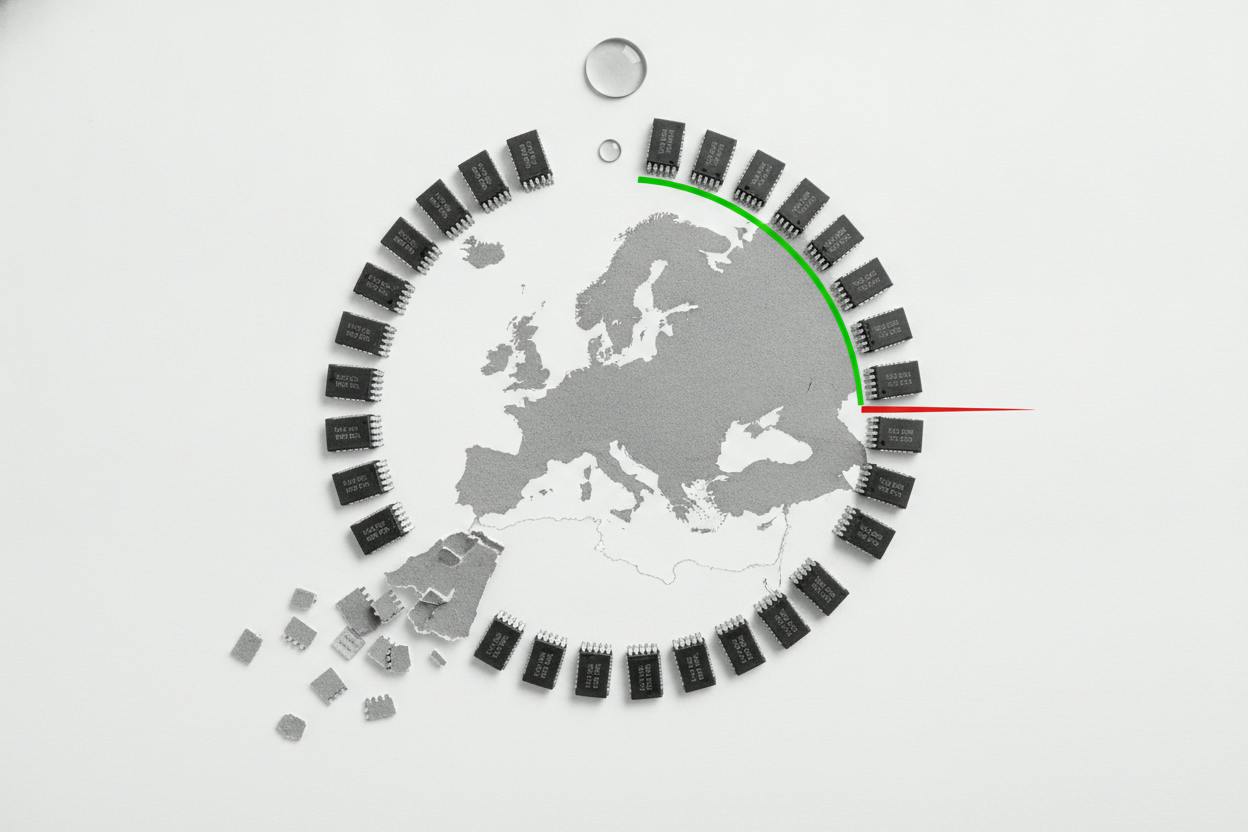
But beneath the surface, the day's action was far from uniform. Europe's technology sector fell 1.5%, dragged down by memory-chip makers after China's ChangXin Memory Technologies (CXMT) signaled it is closing the gap with established players in the industry.
Oil's pullback provides a tailwind
Falling oil prices are often seen as a positive for stock markets, particularly in Europe, which is a net importer of energy. Lower crude costs can reduce input prices for manufacturers, ease pressure on consumer budgets, and give central banks more room to consider cutting interest rates. That dynamic helped lift the broader index even as tech struggled.
Energy-heavy sectors, such as airlines and chemicals, tend to benefit from cheaper fuel and raw materials. The move also comes against a backdrop of ongoing uncertainty about global demand and supply levels, with traders closely watching production decisions from major exporters.
CXMT's progress rattles chip investors
The main drag on the market came from technology, specifically memory-chip stocks. Analysts at OCBC pointed to comments from CXMT, which said it had made progress on a denser DRAM design and plans to launch a new server-memory product by year-end. DRAM, or dynamic random-access memory, is a type of memory used in computers and servers, and the market has long been dominated by a few large players, mostly from South Korea and the United States.
CXMT's announcement suggests that Chinese competition in this critical area is advancing faster than some investors had expected. That raises the prospect of increased supply and potential price pressure in the memory market, which could squeeze profit margins for established producers. The news echoes similar concerns seen in other parts of the chip industry, where Chinese firms have been gaining ground. For instance, Nvidia's share of China's AI chip market has slipped as domestic rivals like Huawei make inroads.
The sell-off in European tech was part of a broader global trend. Asian stocks also slid on chip competition fears, and Japan's Nikkei fell 1.8% as AI-related chip stocks took a hit. The ripple effects highlight how interconnected the semiconductor supply chain is, with news from one company quickly affecting valuations across the globe.
What it means for investors
For everyday investors, the day's moves offer a few takeaways. First, oil prices remain a key swing factor for European markets. When crude falls, it can provide a broad lift to stocks by easing inflation worries and supporting consumer spending. That's why the STOXX 600 managed to rise even as tech tumbled.
Second, the memory-chip story is a reminder that competition in the semiconductor industry is intensifying. While established players have long enjoyed high barriers to entry, Chinese firms are investing heavily and making technical progress. That could lead to lower prices for memory chips, which is good for consumers and companies that buy them, but potentially bad for the profit margins of chip manufacturers.
Investors with exposure to tech stocks, either directly or through index funds, should be aware that this sector can be volatile. The recent swings in chip stocks, both in Europe and Asia, underscore the importance of diversification. South Korean stocks, which are heavily weighted toward memory-chip makers, have been a particular focus for analysts weighing valuation against technical signals.
Looking ahead, market watchers will be keeping an eye on oil prices, any further announcements from CXMT or other Chinese chip firms, and upcoming economic data that could influence central bank policy. For now, the European market's resilience in the face of tech weakness suggests that investors are still finding reasons to be optimistic, but the path forward is unlikely to be smooth.