European shares ended Thursday almost exactly where they started, as investors held their breath for upcoming eurozone employment figures and commodity-linked sectors dragged on the market. The pan-European STOXX 600 index closed at 659.24, essentially flat on the day.
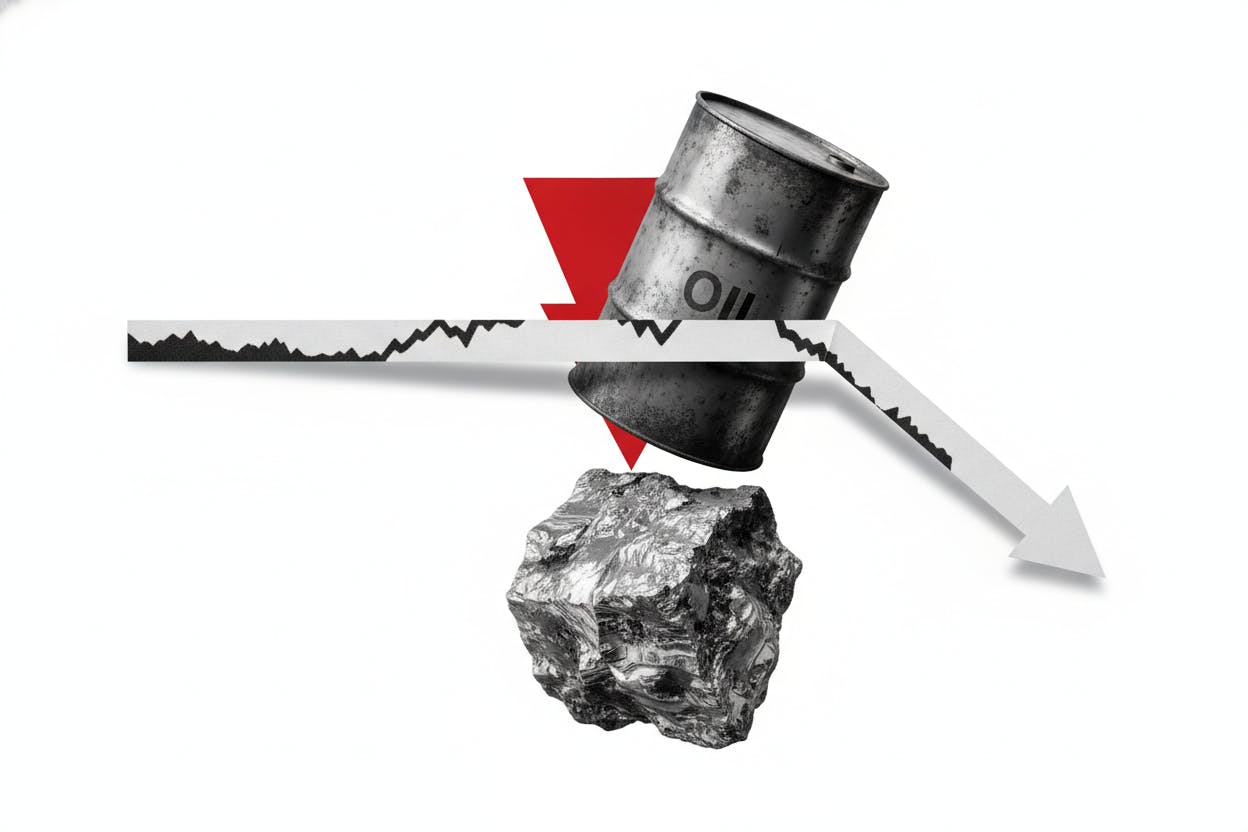
The muted session was less a broad retreat than a market split. On one side, Europe's earnings season has been stronger than many analysts expected, helping to keep the benchmark near its recent highs. On the other, energy and mining stocks lagged as commodity prices softened: Brent crude slipped 0.7% and several metals prices also weakened.
Why commodity stocks feel the pinch
Miners and oil producers are particularly sensitive to the prices of the raw materials they sell. These businesses tend to have high fixed costs—running mines, drilling rigs, and refineries is expensive regardless of what the market pays for the output. So even a small drop in the selling price can translate into a much larger swing in profits. That's why a 0.7% dip in oil, or a modest decline in metals, can hit these stocks harder than the headline number might suggest.
Thursday's commodity weakness comes after a period of relative strength. Oil prices have been supported by geopolitical tensions, particularly around the Strait of Hormuz, a key shipping route for global crude. However, concerns about softer demand have periodically pulled prices back. Metals have also been volatile, with investors weighing global growth prospects against supply disruptions.
Earnings season provides a cushion
Despite the drag from energy and materials, the broader index held its ground. That resilience owes much to the ongoing earnings season, which has delivered more positive surprises than many had feared. Companies across sectors have reported results that beat expectations, giving investors reason to stay optimistic about corporate profitability even as the economic outlook remains uncertain.
This strength in earnings has been a recurring theme. In recent weeks, the STOXX 600's earnings outlook has climbed for the eighth straight week, driven largely by energy and materials sectors—the very same sectors that struggled on Thursday. That suggests the commodity weakness may be a short-term blip rather than a fundamental shift.
What investors are watching next
The immediate focus now shifts to eurozone employment data, due for release soon. These figures will give investors a clearer picture of the health of the labour market across the region. Strong employment typically supports consumer spending and economic growth, which could bolster corporate earnings. Weak numbers, on the other hand, might raise concerns about a slowdown and prompt central banks to consider policy adjustments.
Employment data is also closely tied to inflation dynamics. If the labour market remains tight, wage pressures could keep inflation elevated, potentially influencing the European Central Bank's interest rate decisions. That, in turn, affects everything from bond yields to stock valuations.
What it means for everyday investors
For ordinary investors, a day like Thursday is a reminder that markets don't always move in one direction. Even when the headline index is flat, there can be significant divergence beneath the surface. Energy and mining stocks may have fallen, but other sectors—such as technology or consumer goods—might have held up or even gained.
This underscores the value of diversification. Holding a broad mix of assets can help smooth out the bumps when one sector stumbles. It also highlights the importance of paying attention to commodity prices, which can have ripple effects across the economy and into your portfolio, whether through energy stocks, mining shares, or even the cost of goods at the supermarket.
As always, it's wise to keep a long-term perspective. Short-term fluctuations in oil or metals prices are normal, and they don't necessarily signal a lasting trend. The fact that the STOXX 600 remains near record highs—despite geopolitical tensions and economic uncertainty—suggests that investors are still finding reasons to be optimistic.
For those looking to understand the broader picture, our recent coverage of European stocks defying war fears and the improving earnings outlook provides useful context. And if you're wondering how commodity moves might affect your investments, our analysis of Gulf stocks and oil demand offers insights into the dynamics at play.
In the meantime, keep an eye on the employment data. It could set the tone for European markets in the coming days, and it may offer clues about the path of interest rates and economic growth.