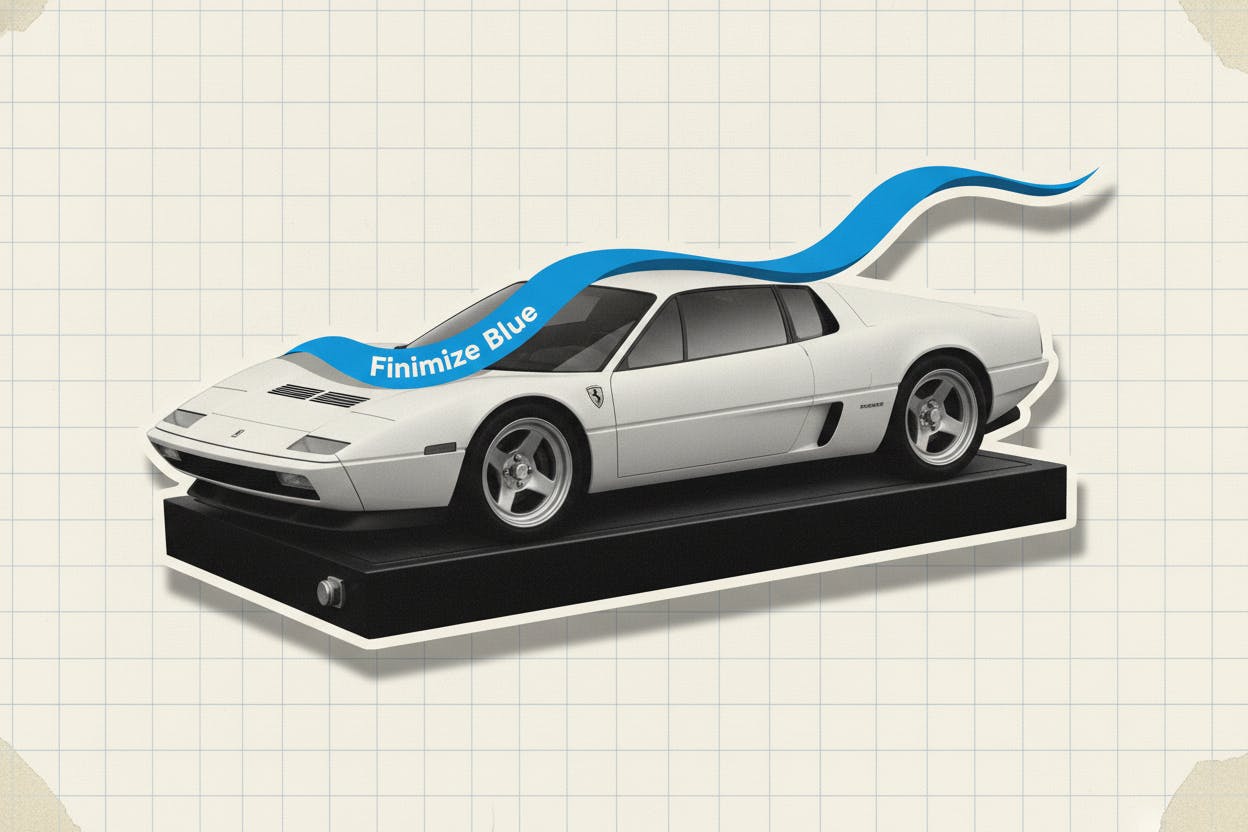
Ferrari's first electric vehicle, the Luce, was met with online mockery after its reveal last month, with memes poking fun at its design. Now, the carmaker's product development chief is asking for patience, saying the €550,000 EV needs time to be 'digested' by the market.
Gianmaria Fulgenzi, Ferrari's chief product development officer, told Reuters that the Luce's silhouette is not a stylistic whim but a necessity driven by the physics of electric vehicles. Batteries take up significant space, and the body must manage airflow to maintain range and high-speed stability. The result is a four-door, five-seat car that looks markedly different from Ferrari's traditional low-slung, two-door sports cars.
What the Luce Offers
The Luce packs four electric motors producing 1,050 horsepower, accelerating from 0 to 100 kph in 2.5 seconds, with a top speed of 310 kph. These numbers are impressive, but specs alone don't settle the real question for Ferrari: whether loyal clients feel the Luce still drives like a Ferrari, even if it doesn't look like one.
Ferrari is playing up demand and pushing back on claims that it is pressuring top buyers to take the Luce to stay in line for limited models. The company's strategy hinges on the idea that a test drive will prove the 'feel' fans associate with the badge.
Why Design Matters for Ferrari's Stock
Luxury car pricing is built on identity, not just acceleration. Ferrari's brand is synonymous with a certain design language and driving experience. EVs tend to force different proportions: a big battery pack raises the floor, while aerodynamics often leads to smoother, taller shapes that can clash with a brand's heritage. For investors, the Luce represents a test of whether Ferrari can maintain its premium pricing in an electric era.
If the brand-authenticity hurdle clears, Ferrari can defend supercar-style pricing and keep demand strong without leaning on bundling tactics it says it doesn't use. How quickly that happens will also set expectations for Ferrari's next EVs and for how much design freedom the company really has in an all-electric future.
This dynamic is not unique to Ferrari. Across the luxury automotive sector, companies are grappling with how to translate their brand DNA into electric vehicles. The success or failure of models like the Luce will influence investor sentiment toward the entire high-end EV space.
What Investors Should Watch
Ferrari's stock has historically traded at a premium to other automakers, reflecting its brand power and pricing discipline. The Luce's reception will be a key indicator of whether that premium can persist. Investors should monitor delivery numbers, customer feedback, and any changes in Ferrari's pricing strategy for future EVs.
The broader market context also matters. European stocks have been climbing recently, with the FTSE 100 rising as oil retreats, easing inflation fears. A strong economy supports luxury spending, but any downturn could test demand for a €550,000 EV.
Ferrari's approach contrasts with other luxury EV makers that have rushed to market with more conventional designs. By taking time to let the Luce be 'digested,' Ferrari is betting that familiarity and seat time will win over skeptics. For everyday investors, the lesson is that brand authenticity is a valuable asset, but it must be carefully managed in a technological transition.