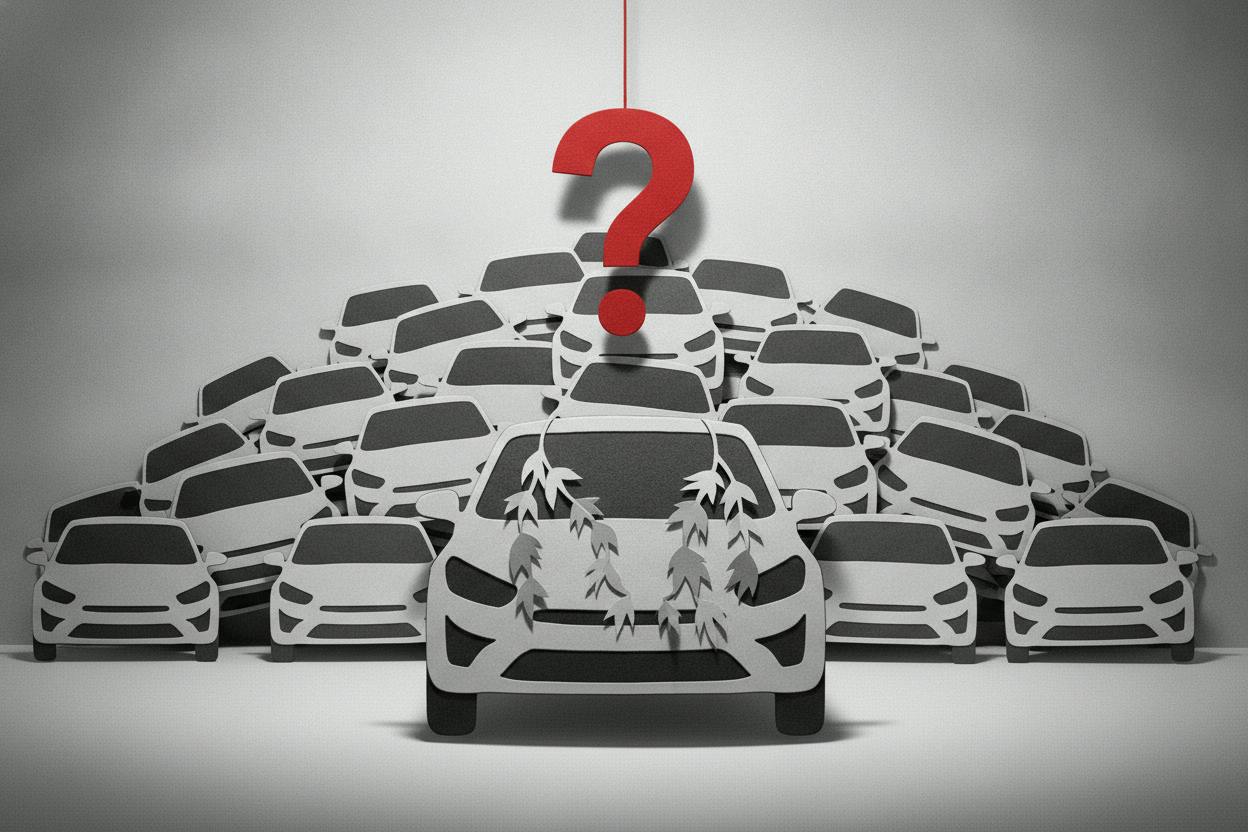
India's auto dealers are bracing for a busy November as major festivals shift into the month, but they're also flagging a potential hangover: elevated inventories and more expensive car loans could make demand look noticeably softer once the celebrations wind down.
The Federation of Automobile Dealers Associations (FADA), the industry body representing dealers, said the timing of key festivals likely weighed on October registrations. Passenger-vehicle sales fell 14% year-on-year, while two-wheeler sales dropped 28%. The festive period, which usually drives a surge in purchases, was partly pushed into November this year, distorting the monthly comparison.
Stock on dealer lots is the bigger worry
Beyond the monthly swings, FADA's main concern is what's sitting unsold on dealer lots. The group estimates passenger-vehicle inventory at roughly 43–45 days of sales—more than double the preferred level of about 21 days. That stockpile built up even after strong October factory dispatches, or wholesales, which included a record month for Maruti Suzuki, India's largest automaker.
Part of that wholesale strength likely came from dealers stocking up ahead of the festive rush. That strategy works well if retail buyers show up in force; it turns painful if they don't. Dealers said showroom footfalls have been decent so far, but they flagged patchy rural demand, which they linked to weaker rainfall and lower crop output. Rural India is a key engine for two-wheeler and entry-level car sales, and when farm incomes are squeezed, discretionary purchases like vehicles tend to suffer.
FADA also pointed to higher vehicle prices and costlier financing as headwinds. About 31% of dealers reported a moderate or material hit to affordability from higher loan repayments. With interest rates still elevated, the monthly cost of financing a car has climbed, making buyers more cautious—especially those who rely on loans to fund their purchase.
What it means for automakers and investors
For investors, the key metric to watch isn't just how many cars automakers ship to dealers, but how quickly dealers can sell them to end customers. When inventory sits at 43–45 days, the market narrative shifts from “how much did automakers produce?” to “how fast can dealers clear the lot?”
If November retail demand doesn't absorb those cars, dealers typically pivot into clearance mode. That means more discounts, more manufacturer-backed incentives, and more aggressive marketing to move vehicles off the lot. While that can boost near-term volumes, it often pulls future demand forward and squeezes automakers' net pricing and per-vehicle profit. High-volume brands like Maruti Suzuki, which rely on scale, are especially exposed to this dynamic.
The post-festival read-through, therefore, won't just be about volumes. Investors will be watching whether realized prices hold up as dealers work down stock. If discounts deepen, margins could come under pressure even if sales numbers look respectable.
This inventory overhang comes at a time when India's broader market is already navigating some turbulence. India's stock rally has cooled recently, partly due to global factors, and any weakness in auto sales could add to the cautious mood. On the other hand, a strong festive season could provide a much-needed boost to sentiment.
Dealers are also watching the cost of financing. With banking data and Q2 earnings in focus, any signals on interest rates will be closely parsed. If loan costs stay high, the affordability hit could persist beyond the festive window, dampening demand in the months ahead.
The road ahead
For now, the festive season offers a temporary lift. But the underlying question is whether demand can hold up once the celebrations end and dealers are left with bloated inventory. If not, the coming months could see a shift from stocking up to clearing out—a transition that often brings margin pain for automakers and opportunities for buyers hunting for deals.
For everyday investors, the takeaway is to look beyond headline sales numbers. The health of the auto sector depends on the balance between wholesale shipments and retail demand. When that balance tips, it shows up in discounts, margins, and ultimately in the earnings reports of companies like Maruti Suzuki. Keep an eye on how dealers manage their stock in the weeks ahead—it will tell you a lot about the sector's near-term trajectory.