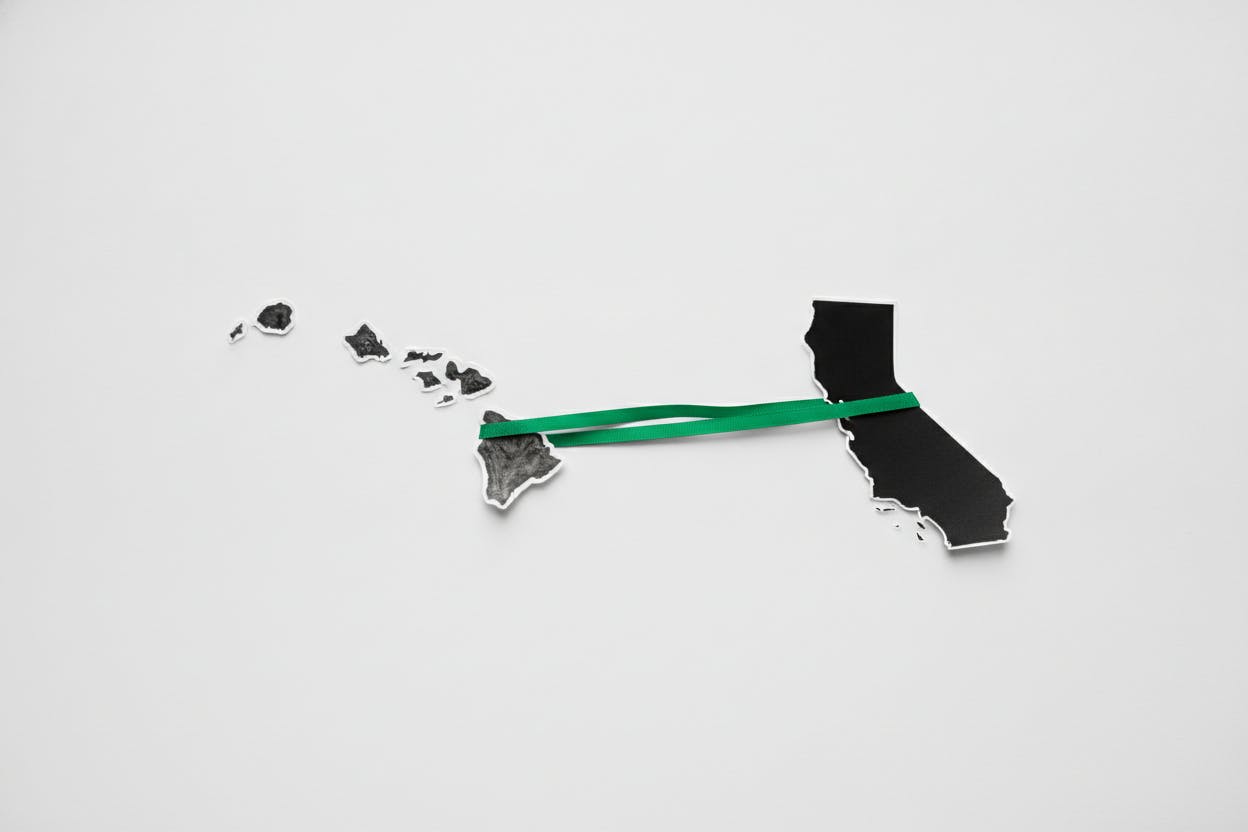
First Hawaiian, the largest bank headquartered in Hawaii, has agreed to acquire TriCo Bancshares, a Northern California lender, in a $2 billion all-stock transaction. The deal is designed to give First Hawaiian a much larger presence on the U.S. mainland, particularly in the fast-growing California market.
Under the terms of the agreement, TriCo shareholders will receive 2.095 shares of First Hawaiian common stock for each share of TriCo they own. That values TriCo at roughly $63.12 per share, representing a 17.7% premium over TriCo's closing price before the deal was announced, according to Reuters.
The combined company would have approximately $34 billion in total assets, making it a more formidable regional player. First Hawaiian expects the transaction to close by the end of 2026, subject to regulatory approvals and a vote by TriCo shareholders.
Why This Deal Matters for Regional Banking
Regional bank mergers have been a recurring theme in recent years as smaller lenders seek scale to compete with larger institutions and manage rising regulatory and technology costs. By acquiring TriCo, First Hawaiian gains a network of branches in Northern California, a region with strong economic growth driven by agriculture, technology, and small business activity.
For First Hawaiian, the logic is straightforward: it adds roughly $10 billion in assets and a new geographic footprint without the risks of building a branch network from scratch. The deal also diversifies First Hawaiian's revenue base, which has historically been tied to the Hawaii tourism and real estate markets.
TriCo, which operates under the Tri Counties Bank brand, has about 40 branches in California. The acquisition will give First Hawaiian a meaningful presence in the state, complementing its existing mainland operations in Nevada and Washington.
Market Reaction: A Classic Stock-Funded Merger Pattern
Markets reacted to the deal in a familiar way for stock-funded acquisitions. TriCo shares jumped on the news, reflecting the premium being offered. First Hawaiian shares, however, slid as investors digested the dilution that comes from issuing new shares to fund the purchase.
This pattern is common in all-stock deals: the acquirer's stock often falls because the transaction reduces earnings per share in the near term, while the target's stock rises toward the offer price. Investors will be watching to see how quickly First Hawaiian can realize cost savings and revenue synergies to offset that dilution.
The deal also comes at a time when the banking sector is navigating a complex environment of interest rate uncertainty and shifting deposit costs. Regional banks have faced pressure to improve efficiency and profitability, making mergers an attractive path to scale.
What It Means for Everyday Investors
For investors holding shares of either bank, the deal introduces several considerations. TriCo shareholders will receive First Hawaiian stock, meaning they will become owners of a larger, more diversified regional bank. That could provide more stability over the long term, but it also means their returns will be tied to the success of the integration.
First Hawaiian shareholders, meanwhile, are accepting near-term dilution in exchange for a bigger footprint and potential long-term earnings growth. The success of the deal will depend on how well the two banks combine their operations, retain customers, and cut costs.
For the broader market, this deal is a reminder that regional bank consolidation is likely to continue as smaller lenders seek the scale needed to invest in technology and compete for deposits. Investors should watch for similar deals in the sector, as they can signal which banks are positioning for growth and which may become acquisition targets.
Regulatory approval will be a key milestone to watch. The deal is expected to close by the end of 2026, but any delays or conditions imposed by regulators could affect the timeline and the ultimate value for shareholders.
For more on this story, see our earlier coverage: First Hawaiian to Buy TriCo Bancshares in All-Stock Deal, Creating $34B Regional Bank.