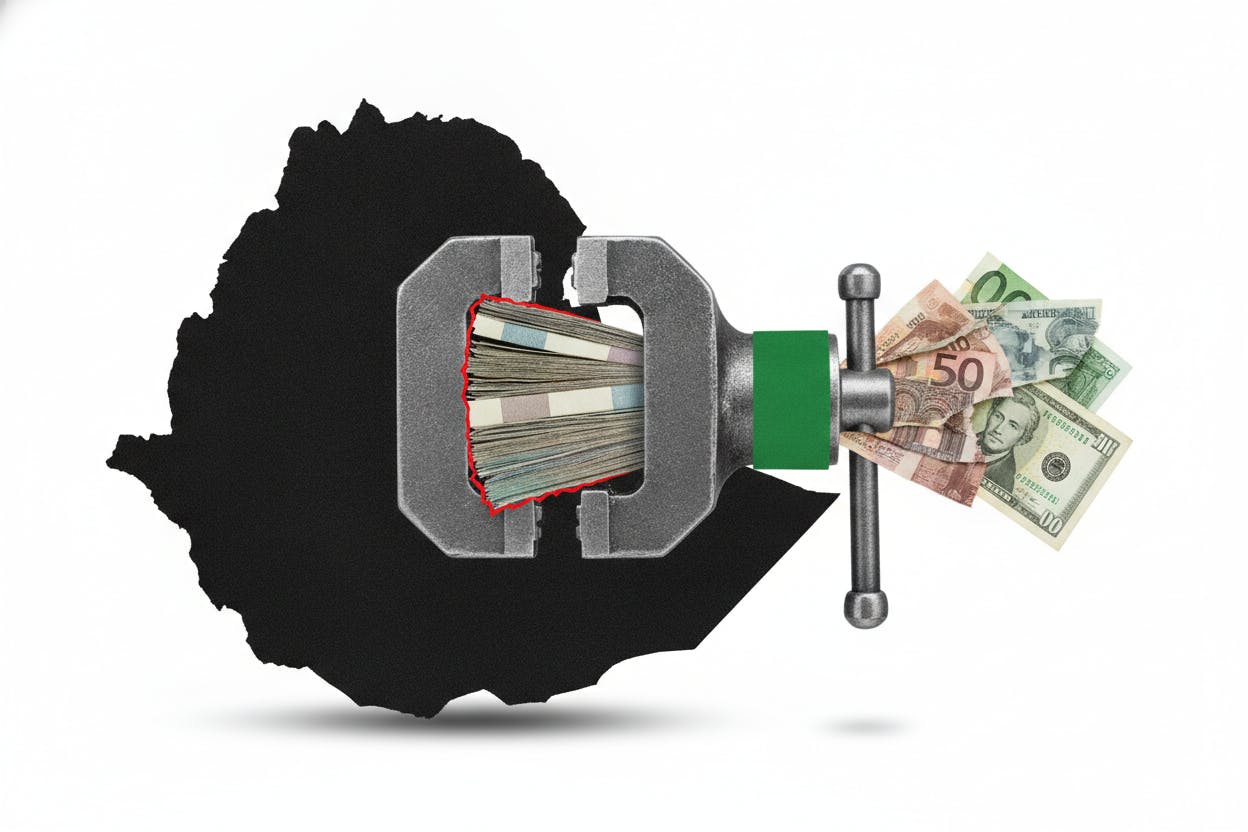
Ethiopia's central bank raised its main interest rate to 16% and loosened some foreign-exchange rules after May inflation accelerated to 13.4% year-on-year, up from 11.7% in April. The National Bank of Ethiopia (NBE) said the tightening was needed to counter fresh price pressures from higher global oil prices, according to Reuters.
What the rate hike means
By lifting its main policy rate by one percentage point, the NBE is making it more expensive for commercial banks to borrow from the central bank. That cost typically gets passed on to businesses and consumers in the form of higher loan rates or tighter credit conditions. The goal is to cool demand and slow the pace of price increases.
Inflation in Ethiopia has been climbing for months, driven by rising food and fuel costs. The latest reading of 13.4% is well above the central bank's comfort zone and adds to pressure on households and businesses. Higher oil prices have been a key factor, as Ethiopia imports most of its fuel. For context, global oil prices have been volatile this year, with concerns about supply disruptions from the Middle East pushing costs higher. Oil Surge Sends Aussie and Kiwi Lower as Dollar Gains on Inflation Fears highlights how energy costs are feeding inflation fears worldwide.
Easing foreign-exchange rules
Alongside the rate hike, the NBE also loosened some foreign-exchange rules. It reduced the share of export earnings that companies must sell to the central bank, giving exporters more access to hard currency. This is a step toward addressing Ethiopia's chronic dollar shortage, which has made it difficult for businesses to import raw materials and machinery.
Foreign-exchange shortages have been a persistent problem in Ethiopia, weighing on economic growth and investment. By allowing exporters to keep more of their dollar earnings, the central bank hopes to boost liquidity in the official market and reduce the gap with the parallel market, where the birr trades at a significant discount.
What it means for investors
For everyday investors, this is a story about how emerging-market central banks juggle competing pressures. On one hand, the NBE needs to fight inflation, which erodes purchasing power and can hurt bond returns. On the other, it must support economic growth and maintain access to foreign currency, which is critical for trade and investment.
Higher interest rates in Ethiopia could make its government bonds more attractive to yield-seeking investors, but the currency risk remains high. The birr has been under pressure, and any further depreciation would eat into returns for foreign investors. The loosening of FX rules is a positive signal for those looking to repatriate profits, but the overall environment remains challenging.
Globally, central banks in many emerging markets have been tightening policy to combat inflation, often ahead of developed-market peers. India's Inflation Tops RBI Target as Food and Fuel Costs Surge in June shows a similar dynamic in Asia, while Latin American Markets Rise as Steady Oil and Soft Inflation Offset AI Jitters illustrates how oil prices and inflation are shaping regional markets.
Broader context
Ethiopia's economy has been one of the fastest-growing in Africa over the past decade, but it has also faced high inflation and external imbalances. The war in Tigray, which ended in late 2022, strained public finances and disrupted agriculture. The country is now in talks with the International Monetary Fund for a new lending program, which could bring additional policy conditions.
The NBE's dual move—raising rates while easing FX rules—reflects a balancing act. Tightening monetary policy can help contain inflation, but it may also slow growth if credit becomes too expensive. Easing FX rules can support exports and investment, but it risks fueling inflation if the birr weakens further.
For investors watching Ethiopia, the key indicators to monitor are inflation, the exchange rate, and progress on IMF talks. If inflation continues to rise, the central bank may need to hike rates further. If the FX reforms gain traction, it could improve the investment climate. But the path is uncertain, and risks remain elevated.
In the broader picture, Ethiopia's moves are part of a global trend where central banks are grappling with stubborn inflation. Fed Warns Tariffs, AI, and Energy Costs Keep Inflation Stubbornly High underscores how even advanced economies are struggling to bring prices under control. For everyday investors, the lesson is that inflation and currency risks are key factors when considering exposure to emerging markets like Ethiopia.