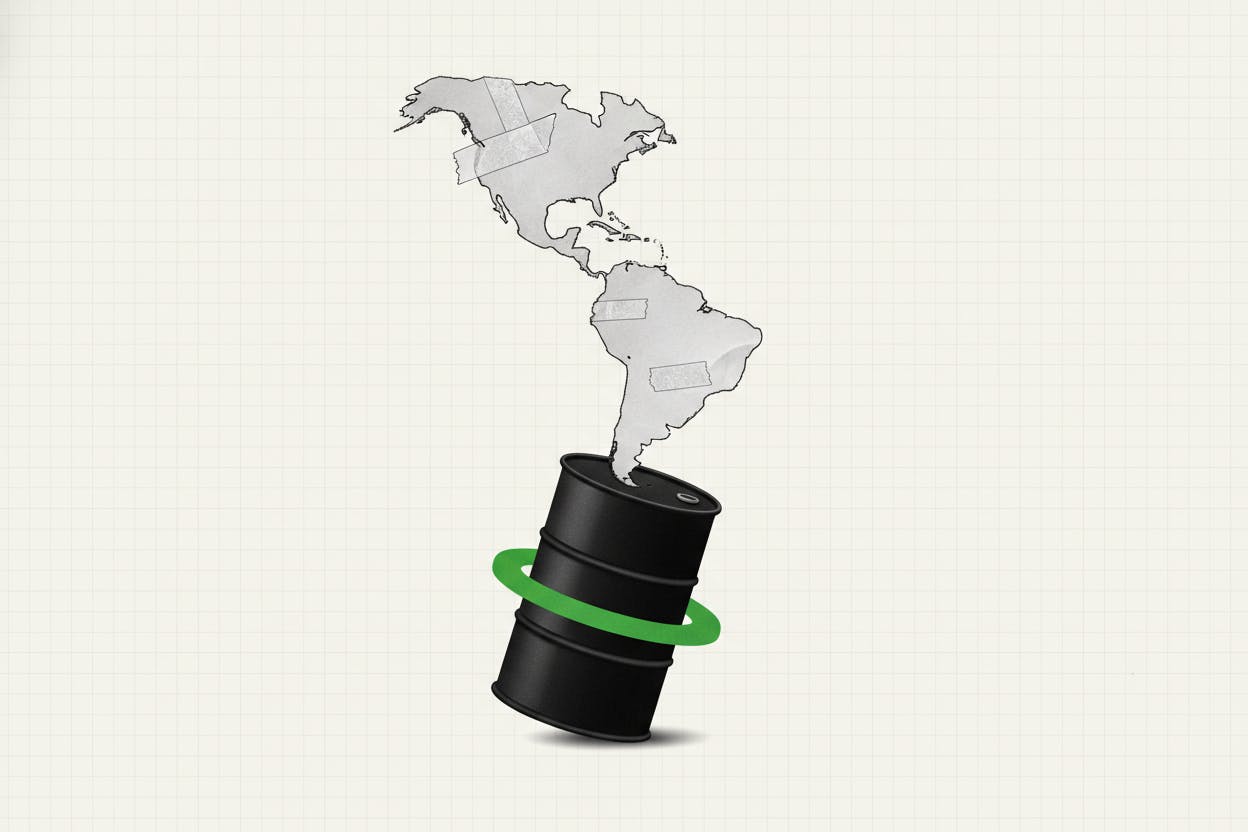
Latin American markets bucked the global trend of tech-driven anxiety on Wednesday, with stocks and currencies both posting gains as stable oil prices and encouraging inflation data from Brazil provided a buffer against broader market jitters.
The MSCI Latin American equity index rose 1.9%, while regional currencies strengthened 0.3% against the U.S. dollar, according to Reuters. The move stood in contrast to the unease gripping other parts of the world, where a pullback in AI-related chip stocks and ongoing Middle East tensions had investors on edge.
Why Latin America Held Up
Global markets have been navigating a tricky environment. A sell-off in semiconductor shares has raised questions about the longevity of the AI-driven rally, while the risk of conflict between the U.S. and Iran has kept energy traders focused on key shipping routes like the Strait of Hormuz. But Latin America, with its heavy reliance on commodity exports, appeared less exposed to the tech wobble.
Steady crude prices were a key factor. When oil is less volatile, the dollar income of oil-exporting nations becomes more predictable, which tends to support local currencies. A firmer currency, in turn, reduces the cost of imported goods, easing inflation pressure and giving central banks more room to cut interest rates. That chain reaction helped underpin sentiment across the region.
For a broader look at how AI optimism has been driving markets, see our coverage of SK Hynix's $26.5B Nasdaq Debut Fuels AI Rally Despite Oil Jitters.
Brazil Leads the Charge
Brazil’s Bovespa index climbed 2.3%, with heavyweight banks Banco Bradesco and Itau Unibanco leading the gains. The rally came after June inflation data came in softer than expected, a development that could give the country’s central bank, the Banco Central do Brasil (BCB), more confidence to resume cutting interest rates.
Capital Economics’ Kimberley Sperrfechter noted that another quarter-point rate cut could be possible if upcoming inflation and growth data cooperate. Lower rates are generally positive for stocks, especially for rate-sensitive sectors like banks, which benefit from cheaper funding costs and increased lending activity.
This dynamic helps explain why Brazilian financial stocks outperformed even as global tech sentiment remained shaky. If traders price in easier monetary policy, banks often see the first boost, as their earnings are closely tied to interest rate spreads.
Colombia: A Mixed Picture
Colombia presented a more complex story. The Colombian peso strengthened after the country’s election results, but the main stock index slipped as investors weighed the implications for economic reforms and the state-owned oil company Ecopetrol.
Election outcomes can shift policy expectations, and in Colombia, the market is watching closely for signals on fiscal and energy policy. A stronger peso is a positive sign for the currency, but the stock market’s decline suggests that investors are still assessing the potential impact on corporate profits, particularly for Ecopetrol, which is a major driver of the index.
For context on how geopolitical jitters have affected other regions, see our report on UAE Stocks Rally as E& Group's $5.95B Vodafone Stake Sale Eases Geopolitical Jitters.
What It Means for Investors
For everyday investors, the key takeaway is that Latin American markets can offer a degree of insulation from global tech volatility, especially when commodity prices are stable. The region’s fortunes are closely tied to oil, metals, and agricultural exports, so when those markets are calm, local assets often benefit.
Brazil’s softer inflation data keeps the door open for further rate cuts, which could support stocks in the near term. Rate-sensitive sectors like banks and consumer goods tend to perform well in a falling-rate environment, as cheaper credit boosts economic activity and corporate earnings.
However, investors should also be aware of the risks. Political uncertainty, as seen in Colombia, can quickly shift sentiment. And while Latin America may be less exposed to AI jitters, it is not immune to global shocks, particularly if oil prices spike or the U.S. dollar strengthens sharply.
For a broader perspective on how investors are rotating out of tech stocks, check out our analysis of Calm Markets Hide a Big Shift: Investors Are Rotating Out of Tech Stocks.
Overall, the region’s resilience this week highlights the importance of diversification. While AI and tech stocks dominate headlines, commodity-driven markets can provide a counterbalance, especially when global growth fears and geopolitical risks are in play.



