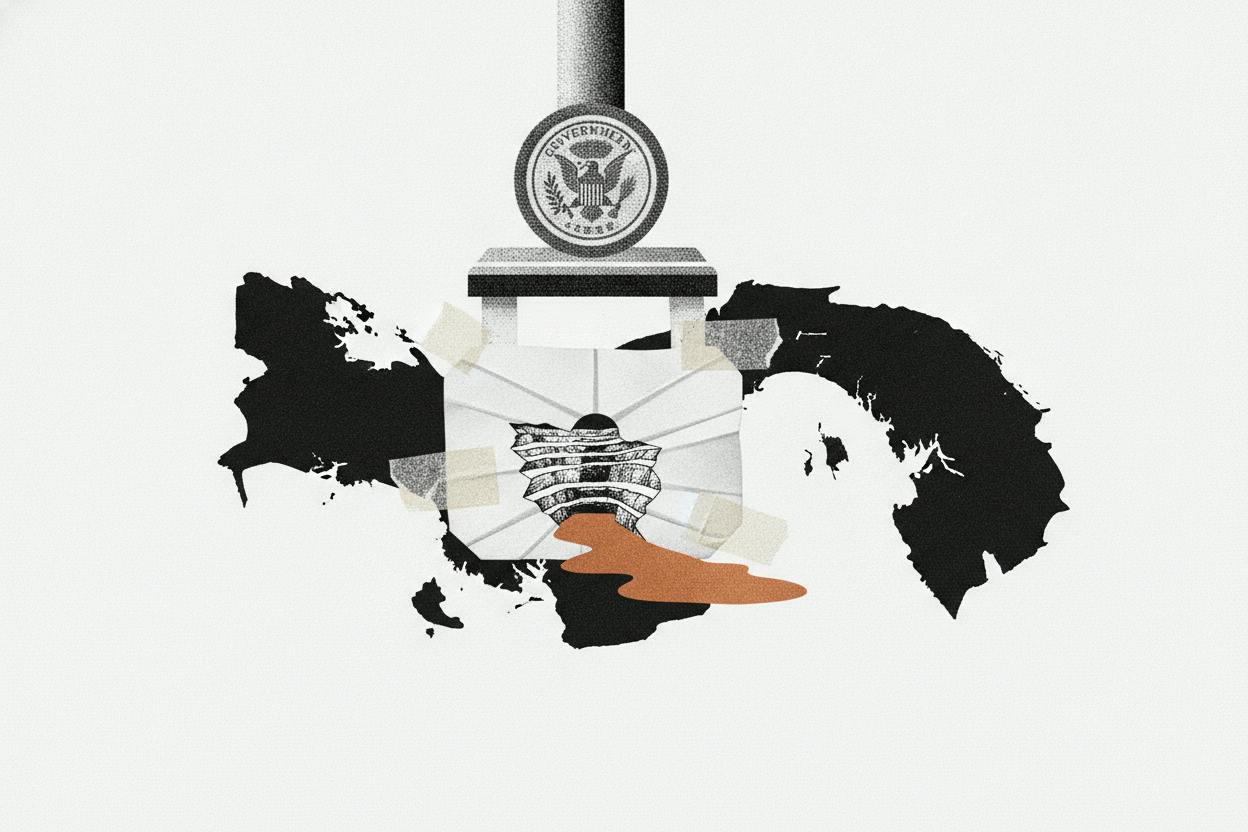
First Quantum Minerals saw its shares climb 5.4% on Tuesday after Panama's government said it would begin talks and a public consultation on a new legal framework for the shuttered Cobre Panama copper mine. The move marks the first concrete step toward a possible reopening of one of the world's largest copper mines, which has been idle since late 2023.
President Jose Raul Mulino announced that the government will negotiate with First Quantum's local unit, Minera Panama, but only within strict boundaries. The new framework, he stressed, would not be a traditional mining concession. Instead, it would emphasize state ownership of mineral resources, tougher environmental oversight, and maximizing Panama's economic benefit.
Why Cobre Panama matters
Cobre Panama is a giant in the copper world. Before operations stopped, it was one of the largest copper mines globally and accounted for roughly 40% of First Quantum's revenue. For Panama, it was a significant source of export income and government revenue.
The mine's troubles began when Panama's Supreme Court struck down the company's mining contract in late 2023, forcing an abrupt halt. Since then, the future of the mine has been as much a political question as an economic one. Protests and legal challenges had surrounded the original contract, with critics arguing it gave the miner too generous terms at the expense of the country's environment and public finances.
Now, with President Mulino signaling a willingness to talk, investors are betting that a path to restart may finally be emerging. But the terms of any deal will be crucial.
What a new framework could look like
Mulino's comments suggest a departure from the old concession model. Instead of a straightforward mining contract, the new arrangement could involve higher royalties and taxes, profit-sharing with the state, or even a state equity stake. It could also impose stricter rules on permits, environmental compliance, and mine closure obligations.
Such a framework would give Panama more control and a larger share of the economic benefits. But it also changes the financial calculus for First Quantum. Higher government take and tighter operating requirements could reduce the mine's profitability and increase costs. That means even if the mine reopens, the cash flow it generates for shareholders may be smaller and less predictable than before.
What it means for investors
For markets, the news is a positive signal, but it's not a green light. Investors often treat a potential restart like an option: the mere possibility of reopening can lift the stock, even before any final agreement is reached. That's why First Quantum shares jumped on the announcement.
However, the longer-term upside is likely to be capped until the final economics are clear. A state-led framework typically means the government takes a bigger cut and sets stricter operating rules, which can shrink profit margins and raise compliance costs. It also makes the mine's future more dependent on permits, court rulings, and public acceptance.
In other words, the path to reopening is still long and uncertain. Talks could drag on, and the public consultation process could introduce new hurdles. Investors should watch for details on the proposed royalty rates, tax structure, and any state participation. Those details will determine whether a restarted Cobre Panama is a cash cow or a more modest contributor.
For now, the market is cheering the possibility. But as with any political negotiation, the final outcome is far from guaranteed. The next few months will be telling.



