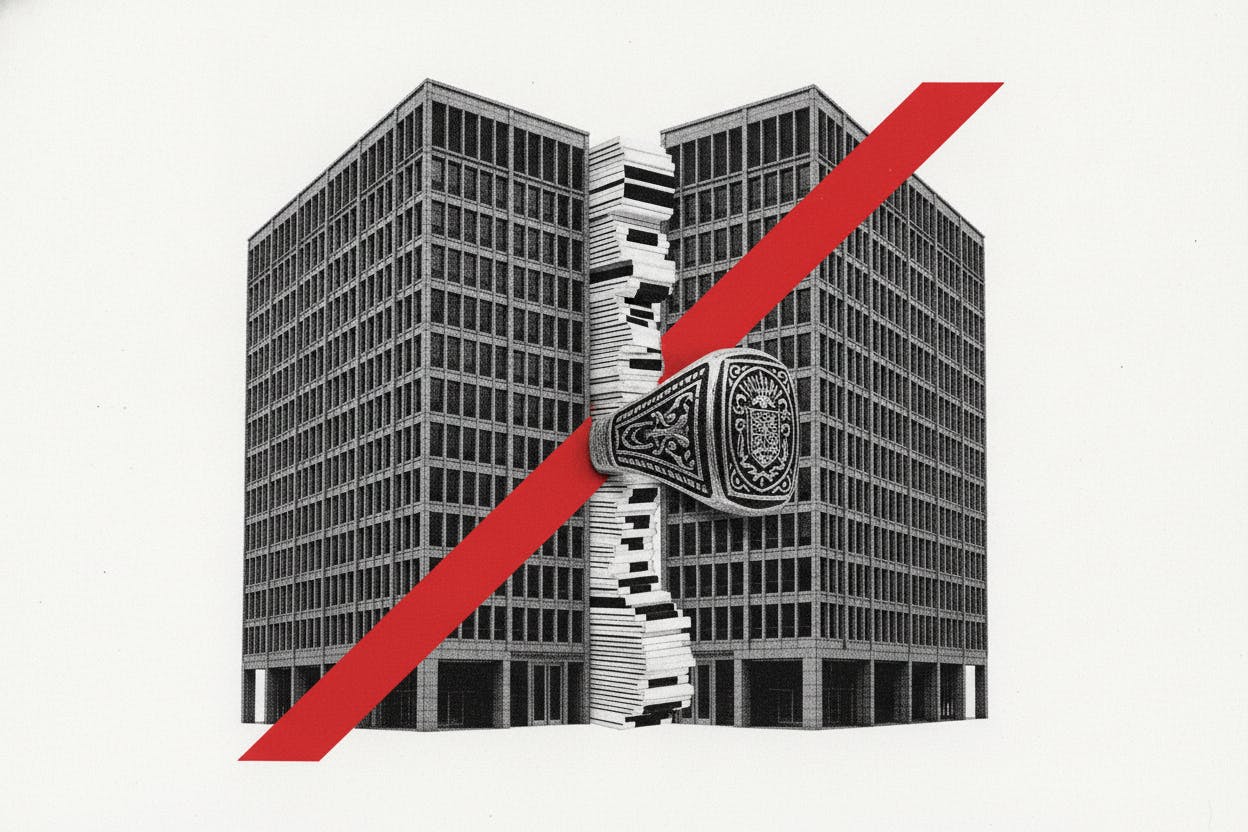
Fitch Ratings has signaled that the worst may be over for Hong Kong banks struggling with commercial real estate (CRE) loans, predicting that asset quality pressure will begin to ease in the second half of 2026. The credit ratings agency's outlook offers a cautious but hopeful sign for a sector that has been under strain from falling property values and rising defaults.
What's Happening
Fitch, a major credit ratings firm, expects that the pressure on Hong Kong banks from their CRE loan portfolios will start to cool by mid-2026. This is because many banks have already reclassified a significant portion of troubled CRE loans as "impaired," which typically forces them to set aside provisions—money reserved to cover potential losses—earlier in the process. As a result, the flow of new bad loans may slow down.
However, Fitch warns that the most exposed lenders—those with a higher concentration of CRE loans relative to their total assets—will still face elevated credit costs. These costs come from the provisions banks must book when loans go bad, which directly eat into their profits.
Background: Why CRE Loans Matter
Commercial real estate includes office buildings, retail spaces, and industrial properties. In Hong Kong, a prolonged downturn in property values has made it harder for borrowers to repay loans tied to these assets. This has hurt what Fitch calls "asset quality"—a measure of how likely loans are to be repaid on time. Poor asset quality can lead to downgrades of a bank's financial health rating, as Fitch has done for some Hong Kong lenders.
The broader context is that Hong Kong's economy has faced headwinds from slower growth in China, higher interest rates globally, and a shift in office demand post-pandemic. These factors have combined to depress commercial property values and rental income, squeezing borrowers and lenders alike.
What It Means for Investors
For everyday investors, this news is a mixed signal. On one hand, the expectation that asset quality pressure will ease by late 2026 suggests that the worst of the loan-loss wave may be passing. That could stabilize earnings for Hong Kong banks and potentially support their stock prices over the medium term. On the other hand, the most exposed banks still face higher credit costs in the near term, which could weigh on their profitability and dividends.
Investors should watch for two key indicators: the level of impaired loans as a percentage of total loans, and the amount of provisions banks are setting aside. If these metrics start to improve, it could signal that the sector is turning a corner. However, any further deterioration in Hong Kong's property market could delay the recovery.
For those with exposure to Hong Kong bank stocks or funds, this Fitch report provides a timeline for potential relief, but it's not a green light. The sector remains sensitive to economic conditions in China and global interest rate trends. As always, diversification across regions and sectors can help manage such risks.
Broader Market Context
The Hong Kong banking sector is not isolated. Similar pressures have been seen in other markets where commercial real estate values have fallen, such as in parts of Europe and the United States. However, Hong Kong's unique position as a gateway to China adds a layer of complexity. Recent data shows that Hong Kong asset managers hit a record HK$42.2 trillion in assets under management, partly due to surging fund inflows, which highlights the city's continued role as a financial hub despite property market challenges.
Meanwhile, global markets have been reacting to mixed economic signals. For instance, European stocks rose 1.6% recently, led by healthcare and banks, while oil prices fell. This shows that investor sentiment can shift quickly based on sector-specific news and macroeconomic data.
Looking Ahead
Fitch's forecast gives Hong Kong banks a clearer path forward, but the next 18 months will be critical. If the economy stabilizes and property values bottom out, the easing of CRE pressure could be a catalyst for improved bank performance. Conversely, if conditions worsen, the timeline for recovery may be pushed further out.
Investors should keep an eye on Fitch's future rating actions and quarterly earnings reports from major Hong Kong lenders. The agency's outlook is a data point, not a guarantee. As always, understanding the risks and staying informed are key to making sound investment decisions.