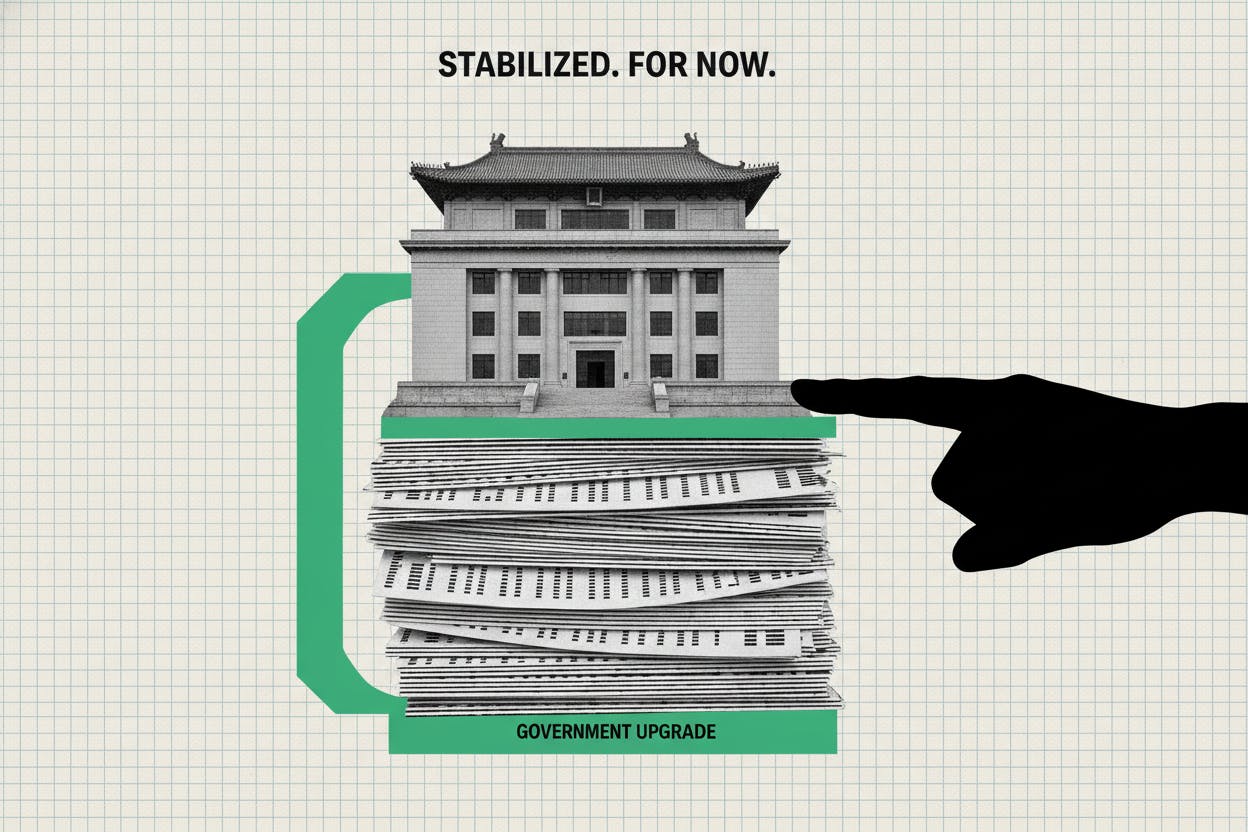
Fitch Ratings has upgraded the credit ratings of five Chinese mid-tier banks, signaling increased confidence that the government would provide timely support if any of them ran into financial trouble. The move affects Industrial Bank, Shanghai Pudong Development Bank, China Merchants Bank, China CITIC Bank, and China Everbright Bank.
What a Credit Rating Upgrade Means
Credit ratings are essentially a lender's financial report card. A higher rating can lower the cost of borrowing because investors see the bank as less risky. For these five banks, Fitch's upgrade reflects a stronger expectation that Beijing or local authorities would step in to prevent a messy failure, especially for those with significant regional roles and close ties to local governments.
Several of the upgraded banks have been designated as "domestic systemically important banks" by Chinese regulators. That label means authorities view them as too important to fail without causing broader damage to the financial system. That perceived backstop can boost confidence in the banks' bonds and other market funding, making it cheaper for them to raise money.
Wealth Products Still a Risk
Fitch kept a key caveat, however. The ratings firm noted that exposure to wealth management products and other off-balance-sheet activities can still hide losses and complicate any potential rescue. These products, which are often sold to retail investors and sit outside a bank's main balance sheet, make it harder for markets to assess the true health of a lender. That's why mid-tier banks remain riskier than China's biggest state-owned banks, which have more straightforward balance sheets and stronger government backing.
The broader backdrop for Chinese banks has been mixed. While the economy has shown some signs of stabilization, the property sector remains under pressure, and loan growth has slowed. China's private sector growth slowed in June, adding to concerns about credit demand. Against that backdrop, Fitch's upgrade is a vote of confidence in the government's willingness to support the banking system.
What It Means for Investors
For bond investors, the upgrade is mostly about creditor protection rather than depositor safety. When a rating upgrade is tied to expected government support, it primarily affects the pricing of bank bonds. If bond investors believe losses are less likely in a crisis, they tend to demand a smaller extra yield to lend, which can tighten credit spreads. That makes wholesale funding easier and cheaper for the five banks, helping protect their profit margins and keep their balance sheets more flexible.
The flip side is that any fresh stress linked to off-balance-sheet wealth products could quickly test that improved confidence. Because those exposures are harder for markets to size up, a sudden loss at a wealth product could spook investors and undo the benefits of the upgrade. Investors in bank bonds should watch for any signs of trouble in that area.
For equity investors, the upgrade is a modest positive, but it doesn't change the fundamental challenges facing Chinese banks. Slowing economic growth, a weak property market, and rising bad loans are still headwinds. The upgrade may help these banks' stocks in the short term, but long-term performance will depend on how they manage those risks.
In a separate note, Fitch predicted that Hong Kong banks' commercial real estate loan pressure would ease by late 2026, suggesting some relief for the broader banking sector in the region.
Looking Ahead
Investors will be watching to see if other rating agencies follow Fitch's lead. If Moody's or S&P also upgrade these banks, it could further lower their funding costs. But the key risk remains the wealth product market, which is opaque and hard to monitor. Any sign of stress there could quickly reverse the confidence boost from this upgrade.
For now, the upgrade is a reminder that government support remains a powerful force in Chinese banking. But it's not a cure-all, and investors should keep an eye on the risks that lurk off the balance sheet.