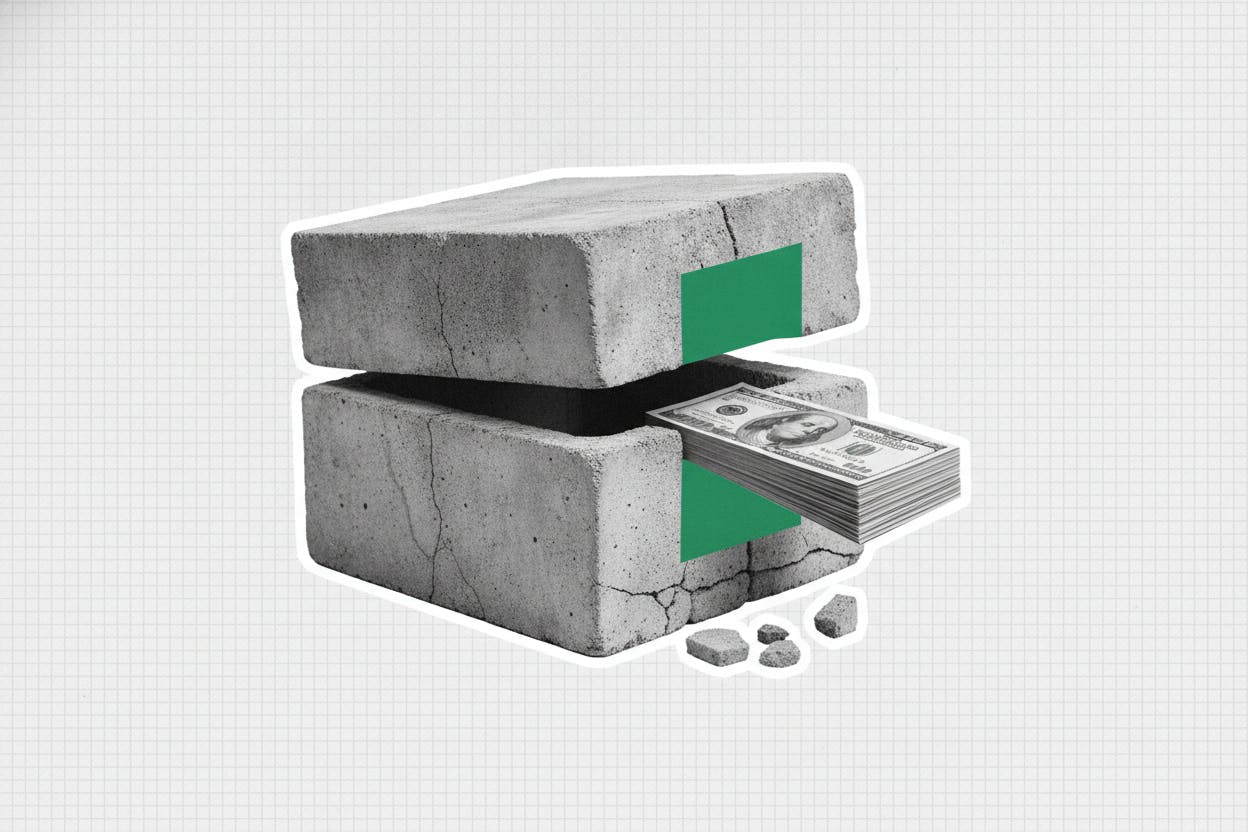
New Zealand's Fletcher Building has swung back to an annual profit, but the construction materials maker is cautioning that the road to a full recovery remains bumpy. For the year ended June 30, the company reported net profit of NZ$228 million, a sharp reversal from the NZ$419 million loss it posted a year earlier. The turnaround was largely driven by a series of asset sales, including the January agreement to sell its flagship Construction division to a unit of France's VINCI for NZ$315.6 million.
However, Fletcher Building warned that uncertainty in the market will likely squeeze first-half fiscal 2027 earnings, and that a meaningful recovery in building volumes may not arrive until 2027. That cautious outlook tempered what was otherwise a positive earnings report.
What's behind the numbers?
Fletcher Building is one of New Zealand's largest suppliers of building materials, with products ranging from cement and concrete to insulation and roofing. Its fortunes are closely tied to the health of the construction sector, which has been under pressure from high interest rates, weak consumer confidence, and a slowdown in residential and commercial building activity.
The company has been trying to steady itself by reshaping its portfolio. The sale of its Construction division—which handled large-scale projects like commercial buildings and infrastructure—is part of a broader strategy to focus on its core materials businesses. Fletcher has also been divesting other non-core assets, using the proceeds to pay down debt and strengthen its balance sheet.
These divestments were the main driver of the swing to profit. Without them, the underlying trading environment remains tough. The company's warning about first-half FY27 suggests that the challenges aren't over yet.
Why the caution?
Fletcher's outlook reflects the broader state of the New Zealand economy. The construction sector has been hit by a combination of high borrowing costs, falling property prices, and a slowdown in new housing starts. While interest rates may have peaked, they remain elevated, and consumers and businesses are still cautious about committing to big projects.
The company said that uncertainty will weigh on first-half FY27 earnings, meaning the first six months of its next fiscal year (which runs from July 2026 to June 2027) could be weaker than expected. It also indicated that a volume recovery—meaning a pickup in the amount of building materials sold—likely won't happen until 2027. That suggests the current downturn could persist for another year or more.
For investors, this is a reminder that a return to profit doesn't always signal a smooth path ahead. Asset sales can boost the bottom line in the short term, but they don't necessarily fix the underlying demand problem.
What it means for investors
For everyday investors, Fletcher Building's results offer a few takeaways. First, asset sales can provide a temporary lift to earnings, but they are one-off events. The real test is whether the company can generate sustainable profits from its ongoing operations.
Second, the construction sector is cyclical. When interest rates are high and the economy is sluggish, building activity tends to slow, which hits companies like Fletcher. Investors should be prepared for volatility in this sector.
Third, the company's warning about FY27 suggests that patience is needed. If you're holding Fletcher shares, you may need to wait until 2027 before seeing a meaningful recovery in volumes and earnings. If you're considering buying, it's worth weighing the potential for a turnaround against the risk of further weakness.
Fletcher's situation is not unique. Other companies in the building materials space have faced similar headwinds. For example, Home Depot recently beat sales estimates as small repairs offset a housing slump, showing that even in tough markets, there can be pockets of strength. But the overall picture for construction remains challenging.
Investors should also keep an eye on the broader economy. If interest rates start to fall and consumer confidence improves, that could help Fletcher and other construction-related stocks. But until then, the company's cautious tone is a signal that the recovery may be slow.
In the meantime, Fletcher's focus on divesting non-core assets and paying down debt is a positive step. A stronger balance sheet gives the company more flexibility to weather the downturn and position itself for the eventual recovery.
For now, the message from Fletcher Building is clear: the worst may be over, but the healing process is just beginning.