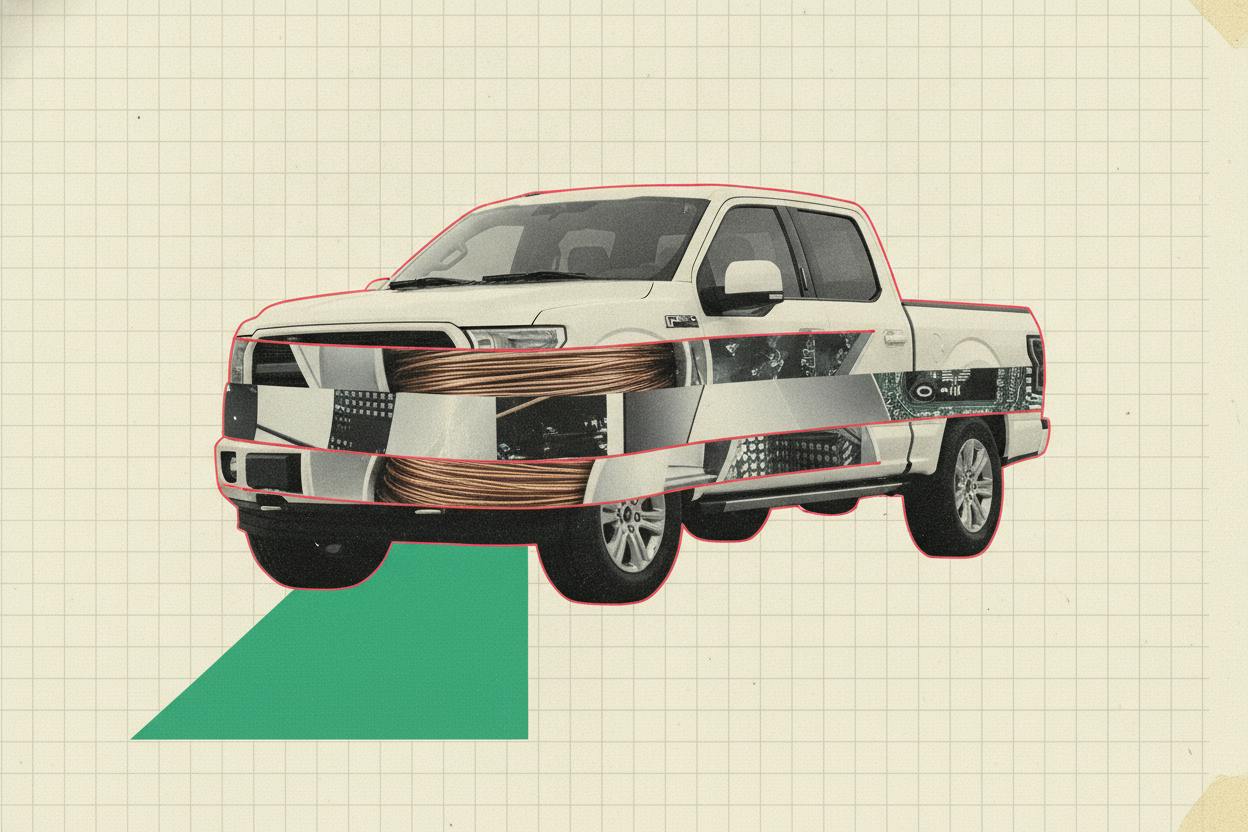
Ford Motor Co. reported a modest rise in third-quarter core profit, helped by a recovery in production of its best-selling F-150 pickup, but the automaker also signaled that cost pressures from materials and fuel are far from over.
The Dearborn, Michigan-based company said its adjusted earnings before interest and taxes (EBIT) — a key measure of core profitability — came in at $2.7 billion for the quarter. That was up slightly from the same period a year earlier, even as the company raised its full-year commodity cost estimate to nearly $2.5 billion, up from its previous forecast.
F-150 back on track
The F-150 is Ford's most important vehicle, accounting for a large share of its profits. Earlier in the year, production was disrupted by a supplier issue that halted output for nearly a week, adding to earlier problems at aluminum supplier Novelis, which had struggled to meet demand. Ford said the recovery from those issues is now largely behind it, allowing the company to build more trucks and ship them to dealers.
That rebound helped Ford post $49.5 billion in revenue for the quarter, along with $2 billion in net income. Adjusted earnings per share came in at $0.49, beating the $0.40 that analysts polled by LSEG had expected.
The results underscore how dependent Ford remains on its pickup franchise. The F-Series has been America's best-selling truck for decades, and its profit margins are among the highest in the industry. When production hiccups occur, they can ripple through the company's entire financial performance.
Commodity costs keep climbing
While the production recovery was a positive, Ford's rising commodity costs are a reminder that inflation is still squeezing manufacturers. The company now expects to spend nearly $2.5 billion on raw materials this year, up from its earlier estimate. Steel, aluminum, and other inputs have stayed expensive, and fuel costs have also remained elevated.
This is not a problem unique to Ford. Many manufacturers are grappling with higher input costs, as Waste Management's profit dipped on inflation despite a jump in cash flow, and Hero MotoCorp's profit missed as input costs outpaced sales growth. In the auto industry, companies have tried to pass on higher costs through price increases, but there are limits to how much consumers will pay.
Ford's experience also echoes what other firms have seen: Pidilite's profit rose 6% as price hikes offset raw material costs, showing that pricing power can help, but it is not always enough to fully protect margins.
What it means for investors
For everyday investors, Ford's quarter offers a mixed picture. On the one hand, the company beat earnings expectations and got its most important product back on track. On the other, the rising commodity cost estimate suggests that profit margins could remain under pressure for the rest of the year.
Investors should watch how Ford manages these costs in the coming quarters. If commodity prices stay high, the company may need to raise vehicle prices further, which could hurt demand. Alternatively, it could absorb the costs, which would eat into profits.
Ford's reliance on the F-150 is a double-edged sword. When the truck sells well, it can drive strong results, as seen this quarter. But any disruption — whether from suppliers, recalls, or shifting consumer preferences — can have an outsized impact on the company's bottom line.
The broader economic backdrop also matters. With central banks like the Bank of Canada resuming rate hikes and warning that energy costs could keep inflation high, automakers may face a tougher environment. Higher interest rates can make car loans more expensive, potentially cooling demand for big-ticket items like trucks.
Ford's results also come amid a wider trend of companies dealing with cost pressures. Boston Scientific cut its 2026 profit outlook due to pricing and demand issues, and United Spirits' profit slipped on tax and policy changes. These examples show that many industries are navigating similar headwinds.
For now, Ford's ability to beat expectations despite higher costs is a positive sign. But investors should keep an eye on whether the company can maintain that momentum if commodity prices continue to climb.